
Deadline: 24-Feb-2017 at 11:59:59 PM (Eastern Time – Washington D.C.)
Lusaka Water and Sewerage Company (LWSC)is currently implementing a World Bank-assisted Lusaka Sanitation Project which aims to increase access to improved sanitation services and strengthening LWSC’s institutional capacity to deliver on its mandate. Within the context of the project, LWSC management has requested the Bank to support an urgent technical assistance (TA) activity aimed at reviewing LWSCs current organizational structure in order to inform important HR-related decisions that LWSC management and Board of Directors are considering as they embark on the process of transforming the utility. The objective of the TA is to review and advise on an improved and sustainable organizational structure and staff conditions of service for LWSC. The outputs from this activity will help inform critical decisions on maximizing staff productivity and performance, and reducing skyrocketing staff costs.


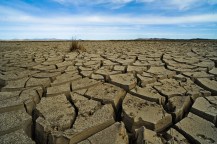 droughts threaten our mission to end poverty and boost shared prosperity. But how much do we actually know about how these floods and droughts – “water shocks” – impact farmers, firms, and communities? Perhaps adaptation in the economy has limited such impacts. Or maybe policies have led to economies being more vulnerable to such shocks.
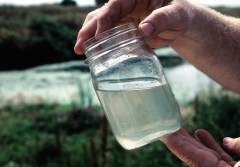 ental regulators across the world are required to establish laboratories to test water quality. Proper testing ensures that water is safe for its intended use, whether that be drinking, bathing, fishing, watering crops, or sustaining ecological health. Yet we routinely find poorly-functioning analytical labs. Failure to follow standardized procedures, maintain certification, and perform routine checks for quality assurance and quality control (QA/QC) compromises the reliability of lab results. As a result, the data are of limited use for managing water safety.

 Netherlands for the World Bank
You must be logged in to post a comment.