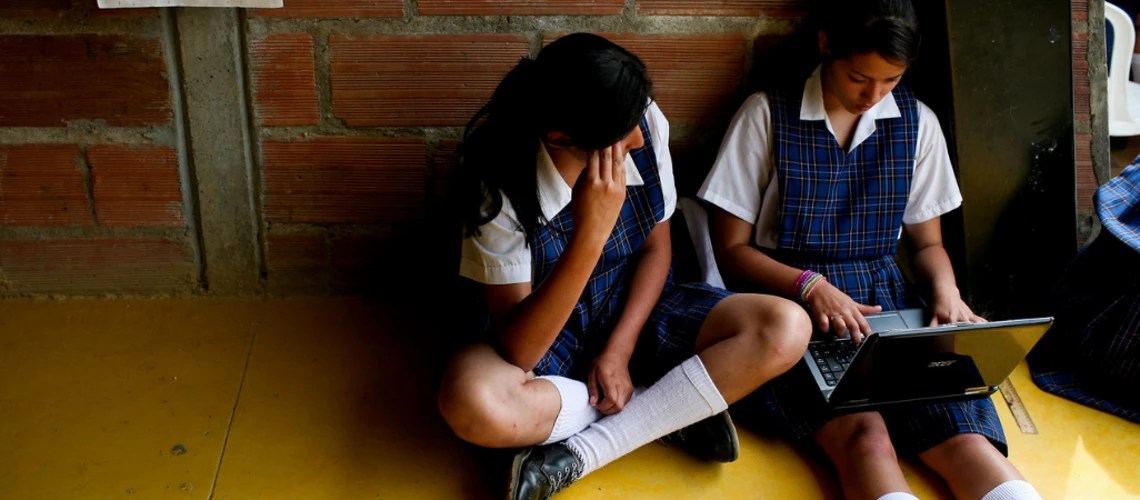
More than 400 Million Students Affected by Climate-Related School Closures since 2022

 For less than $20 per student schools can adapt and minimize learning losses

WASHINGTON, Sept. 4, 2024 – A staggering 400 million students globally experienced school closures from extreme weather since 2022, according to a new World Bank report released today. The report examines the detrimental impacts of climate change on education in low- and middle-income countries and offers solutions to harness education to spur climate action. It also estimates that a one-time investment of $18.51 per child can mitigate the impact from climate shocks.
Continue reading

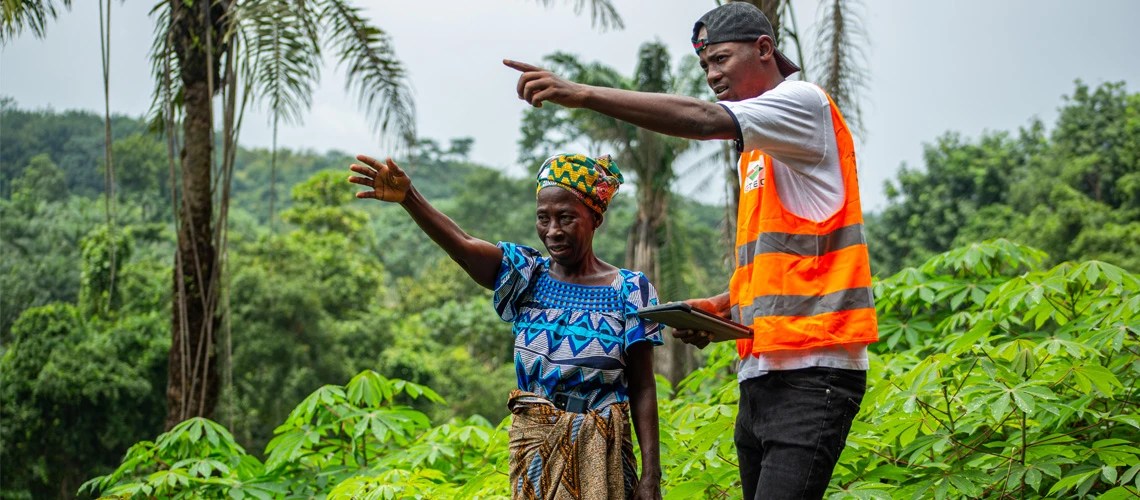
Why land is key to tackling climate change and infrastructure gaps

World Bank Group Launches High Level Council to Tackle Looming Jobs Crisis

Council to be co-chaired by the President of the Republic of Singapore Tharman Shanmugaratnam and former President of the Republic of Chile Michelle Bachelet

WASHINGTON, Aug. 12, 2024—The World Bank Group today announced the launch of the High-Level Advisory Council on Jobs, a new initiative that will identify actionable policies and programs to address the looming jobs crisis in the Global South.

Continue reading

Ingredients for Accelerating Universal Electricity Access: Lessons from Rwanda’s Inspirational Approach

In just 15 years, Rwanda has increased its electricity access to 75% from 6% in 2009. This took government ownership, leadership, and commitment, partnership with the private sector, funding from development partners, and dedicated structure and institutional strengthening.

The goal of lighting up every household is not a dream, but an achievable reality. In a remarkable 15-year journey, Rwanda increased access to electricity to households from 6% in 2009 to 75% as of March 2024. The country has connected 100% of health centers and administrative facilities at the sector level and 84% of schools and most productive users (micro, small, and medium-sized enterprises). This electrification expansion was one of the fastest in the world between 2010 and 2020, ranking 11th globally and 3rd in Africa.

Government ownership, leadership, and commitment to universal electrification. Since 2008, the Government of Rwanda (GoR) has been intentional in engraining electrification targets in its development strategies. The Economic Development and Poverty Reduction Strategy 1 (EDPRS1 2008-2012) set out targets for electricity connections from 70,000 to 200,000 households, and for institutions providing social and administrative services from 50% to 80%. Likewise, both the EDPRS2 (2013-2018), and the National Strategy for Transformation 1 (2017-2024) set a universal electrification target by 2024.

Continue reading

Navigating troubled waters: The Red Sea shipping crisis and its global repercussions


The Red Sea, a critical conduit for 30% of the world’s container traffic, is currently facing aOil-tanker-Hero-Image_1140x500 shipping crisis of unprecedented scale. The New Brief, first of a new series analyzing recent economic and social developments and special issues in Fragile, Conflict, and Violence (FCV) situations in the Middle East and North Africa (MENA), explores the impact of the Red Sea shipping crisis. The recent conflict in the Middle East has led to attacks on commercial vessels, causing a significant downturn in maritime activity (Figure 1). As of end-March 2024, the volume of traffic through the strategic Suez Canal and Bab El-Mandeb Strait has dropped by half, while the alternative route via the Cape of Good Hope route has witnessed a 100% increase in navigation (Figure 2).
Continue reading

March 2024 global poverty update from the World Bank: first estimates of global poverty until 2022 from survey data

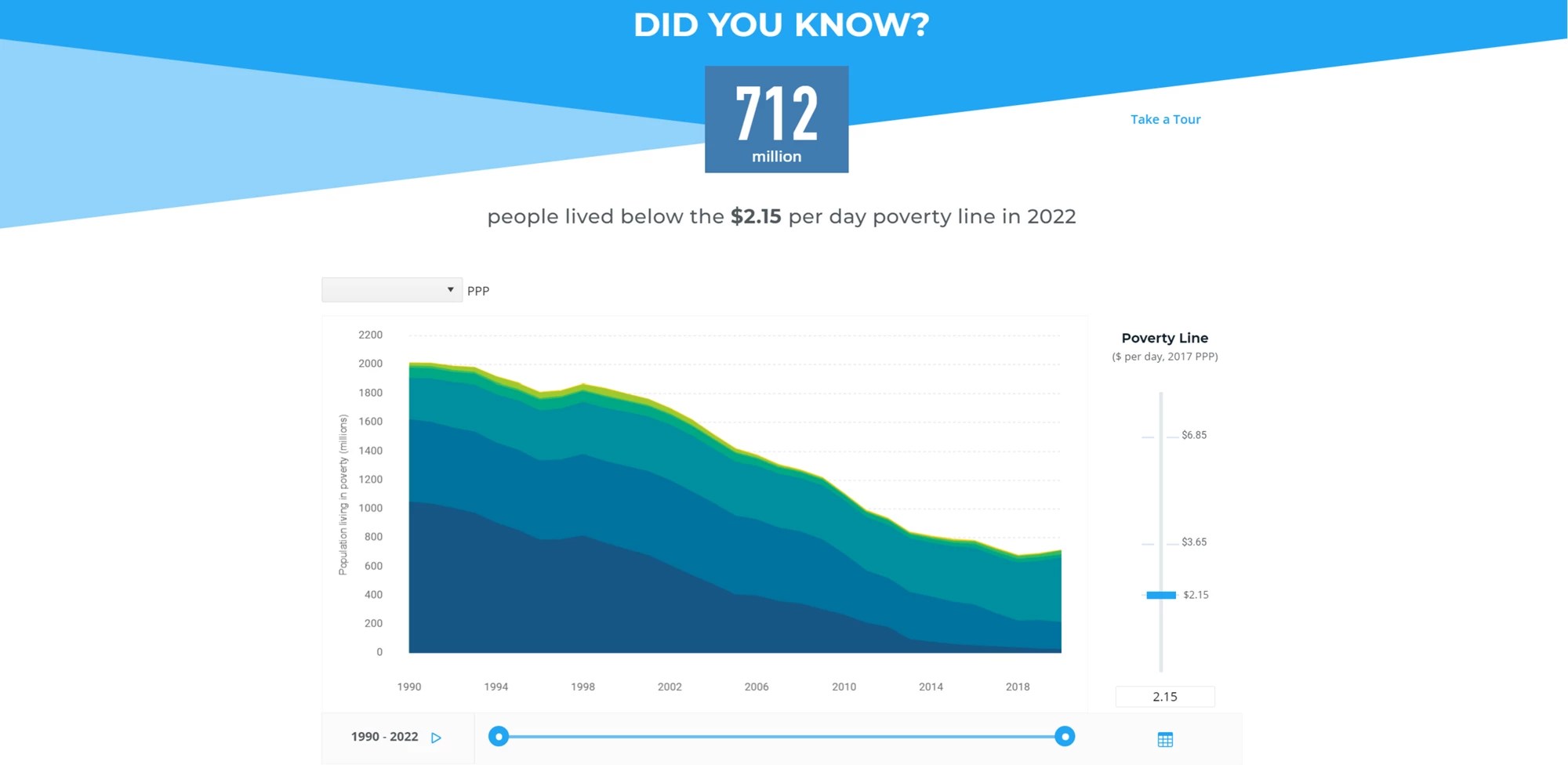
Global poverty estimates were updated today on the Poverty and Inequality Platform (PIP). As image-4-1explained in more detail in the What’s New document, more than 100 new surveys were added to the PIP database, bringing the total number of surveys to more than 2,300. With more recent survey data, this March 2024 PIP update is the first to report a global poverty number for 2020-2022, the period of the COVID-19 pandemic. We estimate that COVID-19 increased extreme poverty in the world, as measured by the international poverty line of $2.15, from 8.9 percent in 2019 to 9.7 percent in 2020 (see Figure 1). This is the first increase in global poverty in decades. It is in line with earlier estimates of the COVID-19 impact which used limited survey data and GDP growth projections. 

Continue reading

Educating for the present and the future: using Artificial Intelligence (AI) to address the learning crisis

Can Artificial Intelligence (IA) help address massive education gaps? The answer is a cautious EducacionTecnolog-aLAC 1140x500and optimistic yes. 1.8 billion students in the world should receive a good education. However, half of them do not achieve basic reading and numeracy skills needed for life.

Continue reading

Investing in rail can help put African cities on a more sustainable track

Africa is home to 11 of the world’s most populous cities, with urban areas growing rapidly. ke-nairobi-train-station-Bob-AdobeStock-383381979 1140x500While urbanization has fueled significant economic expansion across the region, it has also brought a variety of challenges, including a significant rise in the demand for motorized transport. The impact on people’s lives is hard to overstate: for the residents of African cities, more vehicles on the road often translates into chronic traffic congestion, longer commutes, as well as increased traffic fatalities and injuries.
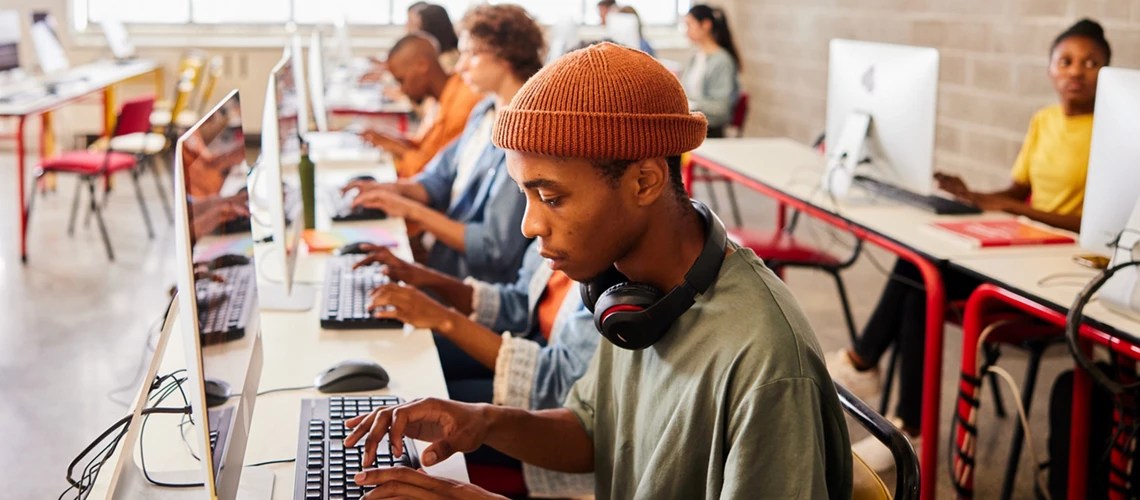
Empowering Africa’s Youth: Bridging the Digital Skills Gap