
Tag Archives: Investments
Hiding in plain sight: The missing trillions for climate change
In debates about how to finance the growing bill for climate change, many worry where we 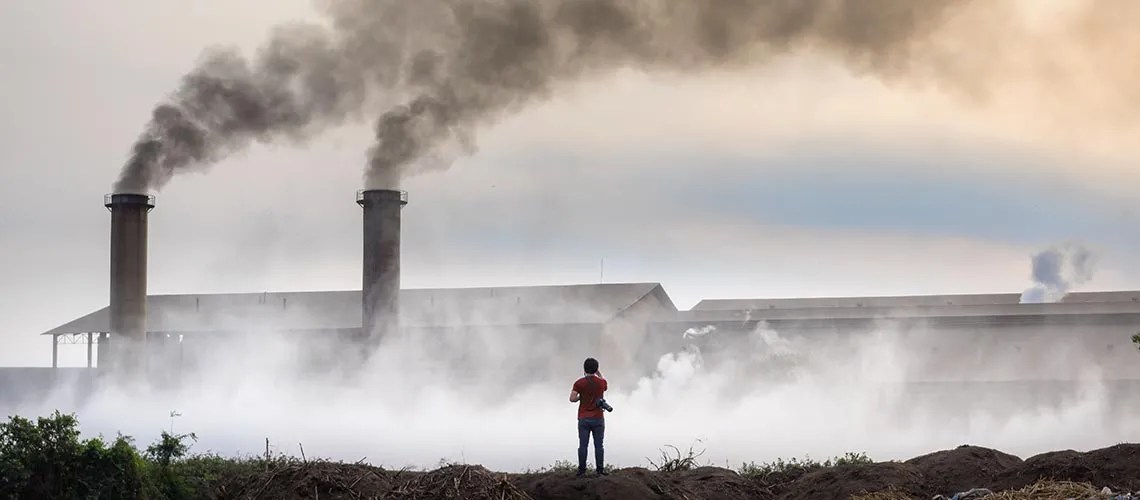 can find the money.
There is reason to worry. As part of the Paris Agreement, the world’s wealthier countries reaffirmed their commitment to mobilize at least $100 billion of climate financing annually to help developing countries to adapt to climate change, invest in renewable energies and achieve low-carbon development. But getting there is a work in progress.
What Counts as Climate? Preliminary Evidence from the World Bank’s Climate Portfolio
|
Dear Reader, |
The role of ethical leadership in curbing corruption
As much as researchers try to isolate the factors of success in controlling corruption, whether it be at a national scale or that of a particular organization, there is always a residual unexplained element. It may be attributed to culture, systems, or other factors, but one catalytic ingredient is almost always leadership.
We can’t have a world without poverty in a world with plastic pollution
When future generations share the story of plastic pollution, it will include graphic images of 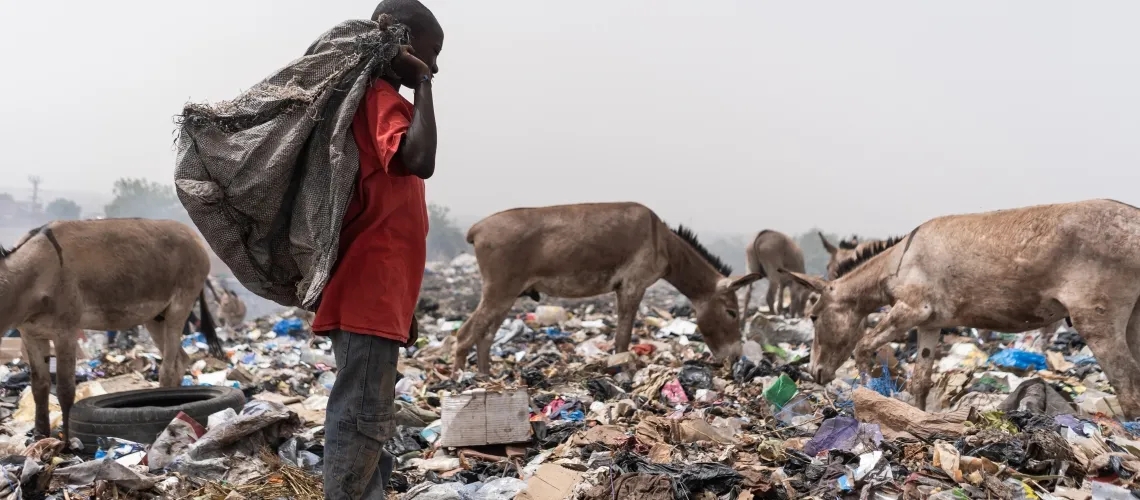 turtles choking on plastic debris, zooming out to show beaches and communities laden with trash, and panning to medical reports showing microplastic in the average person’s bloodstream. This is a story that started as an environmental crisis, and quickly became an economic and health crisis. And it’s a story that intersects with the triple planetary crises we are grappling with today: biodiversity, climate, and pollution. We are on the brink of writing the next important chapter in this story.
Transition to clean energy for all – Step by Step
The upcoming Summit for a New Global Financing Pact will bring together global leaders to  look at how international financing can bring solutions to countries facing mounting crises from climate change to poverty and pandemics. This is an opportune time to focus on how international finance can jumpstart the clean energy transition, especially for the countries most vulnerable to climate change.
Weakening Growth, Financial Risks
Global Economic Prospects
Global growth is projected to slow significantly amid high inflation, tight monetary policy, and  more restrictive credit conditions. The possibility of more widespread bank turmoil and tighter monetary policy could result in even weaker global growth and lead to financial dislocations in the most vulnerable emerging market and developing economies (EMDEs). Comprehensive policy action is needed to foster macroeconomic and financial stability. Among many EMDEs, and especially in low-income countries, bolstering fiscal sustainability will require generating higher revenues, making spending more efficient, and improving debt management practices. Continued international cooperation is also necessary to tackle climate change, support populations affected by crises and hunger, and provide debt relief where needed.
Investments in Africa
These are certainly challenging times. And in these challenging times, in Africa, the private  sector is doing interesting things.
The nine stories in this second edition of IFC Insights Africa, published for the 2023 Africa CEO Forum in Abidjan, Côte d’Ivoire, showcase the innovative ways African businesses—both large and small—are addressing some of the continent’s most pressing challenges, and improving lives and creating jobs while doing it.
eC2: Integrating Seismic Risk Considerations into Energy Efficiency Investments in North Macedonia, Kosovo, Bosnia and Herzegovina, and Montenegro
Deadline: 27-Nov-2019 at 11:59:59 PM (Eastern Time – Washington D.C.)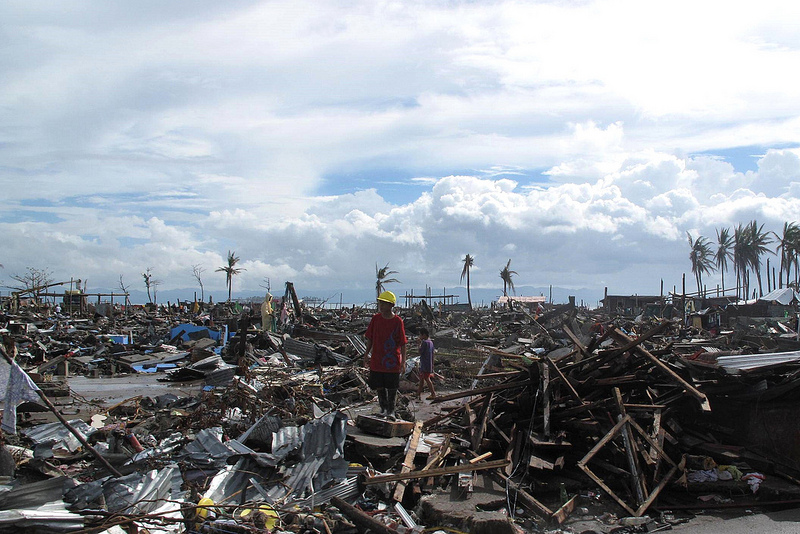
This project is anticipated to result in the following outcomes:
i. Improved understanding by task teams and counterparts on seismic vulnerability of buildings and consideration during preparation of new EE operations
ii. Seismic vulnerability considerations systematically integrated into eligibility criteria and building-specific assessments for EE investments.
iii. Knowledge on safer public facilities is deepened
eC2: Support to the identification and implementation of priority reforms in the agribusiness sector in Guinea
Deadline: 24-Jun-2019 at 11:59:59 PM (Eastern Time – Washington D.C.)
The Investment Climate (IC) in Agribusiness project is a pillar of the IFC-World Bank  Action Plan to promote the agribusiness sector in Guinea. The World Bank Group recently assessed the main constraints and opportunities for the development of the agribusiness sector in Guinea.
The IC in Agribusiness project aims to improve the business climate for agribusiness through the implementation of targeted reforms aimed at unlocking investments high potential value chains and improving investments retention and generation. To implement these reforms, a dialogue mechanism to mobilize government and business community’s commitment is needed.
The IFC seeks to hire the services of a Consultant to support the identification and implementation of priority reforms for the agribusiness sector in Guinea. The Consultant will help drive the reforms on the Guinea agribusiness sector and will work closely with the designated teams within to implement these reforms.


You must be logged in to post a comment.