
Stories of resilience from Madagascar, the Central African Republic, and Egypt
Are climate change and drought connected? We asked Richard Damania, the World Bank’s Chief Economist for Sustainable Development, and two experts from the Bank’s Sustainable Development unit: Senior Economist Esha Zaveri and Senior Climate Change Specialist Nathan Engle. The three are authors of the paper, Droughts and Deficits: Summary Evidence of the Global Impact on Economic Growth.
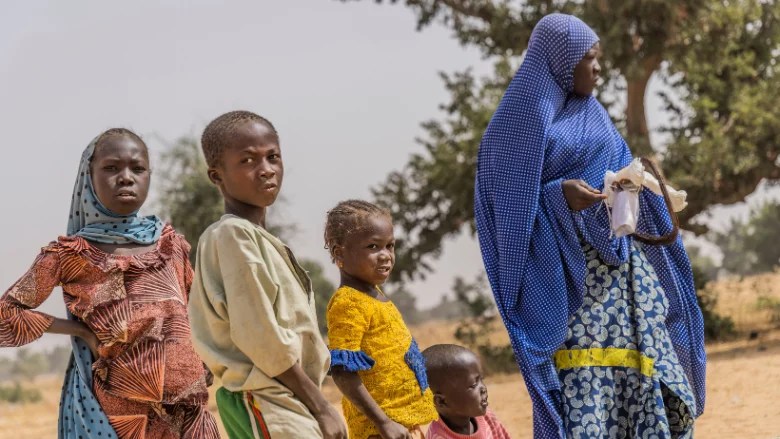 jointly by the World Bank and UNICEF, presents estimated trends in child poverty from 2013 to 2022, based on three international poverty lines: $2.15 (extreme poverty), $3.65 (lower middle income), and $6.85 (upper middle income). The estimates show that:
 devastating implications for people’s lives worldwide. Evidence from the World Bank’s
 Southern Angola, the makers of N’Gola beer depend heavily on a water source of exceptional quality. Rainwater seeps into the vertical crevasses of Tundavala, breathtaking rock formations 2,200 meters above sea level. It collects in the rock then rushes downhill to Lubango, producing at times 200 cubic meters of water per hour. The source is so special it is mentioned on the N’Gola beer label and stylized as a golden waterfall with a crown.
 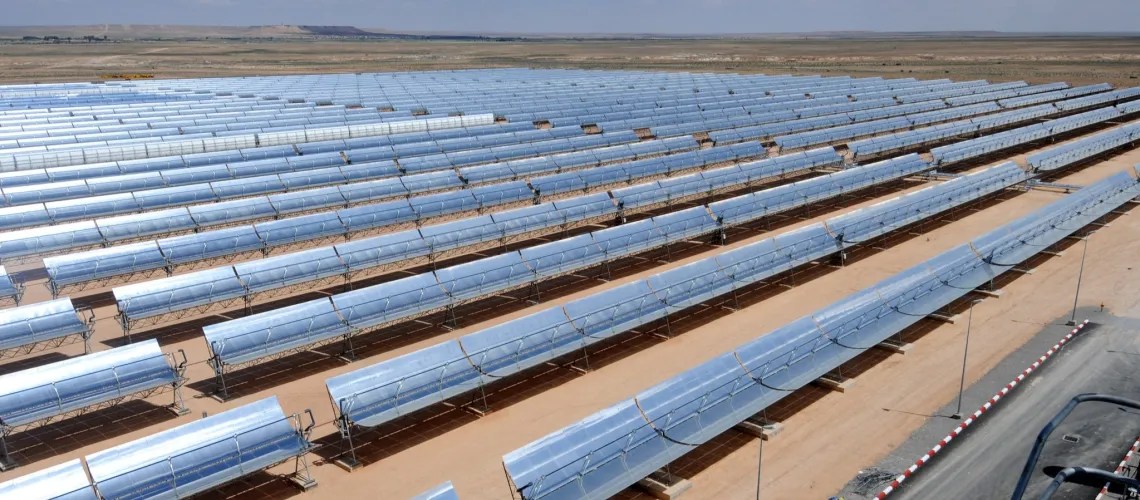 policymakers from across the continent to talk about the climate challenges faced by African countries, I am encouraged by some of the stories of young Africans whose lives are being transformed by solar power – and the potential it has for the continent.
 Netherlands for the World Bank
You must be logged in to post a comment.