
Deadline: 16-Jun-2022 at 11:59:59 PM (Eastern Time – Washington D.C.)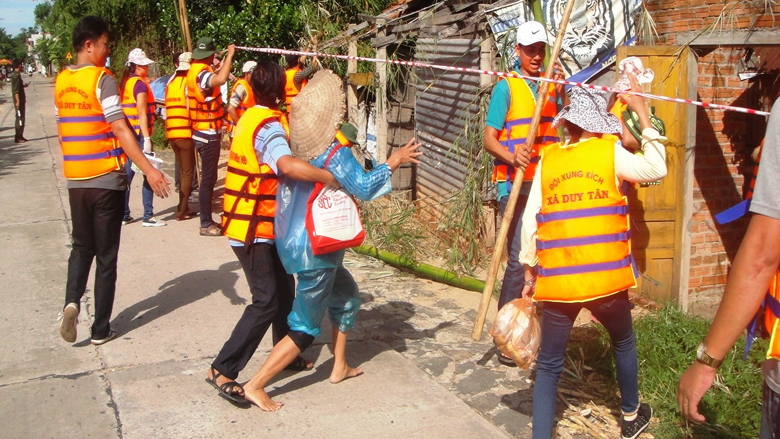
The Reinforcing the capacities of meteorological and hydrological services and enhancing the early warning systems in Cambodia and Lao Peoples Democratic Republic (CREWS Cambodia and Lao PDR) project jointly implemented by the World Bank (WB), World Meteorological Organization (WMO) and the United Nations Office for Disaster Risk Reduction (UNDRR) along with the National Meteorological and Hydrological Services (NMHSs) and National Disaster Management Offices (NDMOs) of Cambodia and Lao PDR is aimed at reducing the human and socioeconomic impact caused by disasters such as floods, droughts, landslides and severe weather, through increased access to early warnings and risk information. As part of the CREWS project, the World Bank is conducting needs assessments of the NMHSs to strengthen hydromet networks for end-to-end early warning in Cambodia and Lao PDR and to develop investment plans to address identified needs.

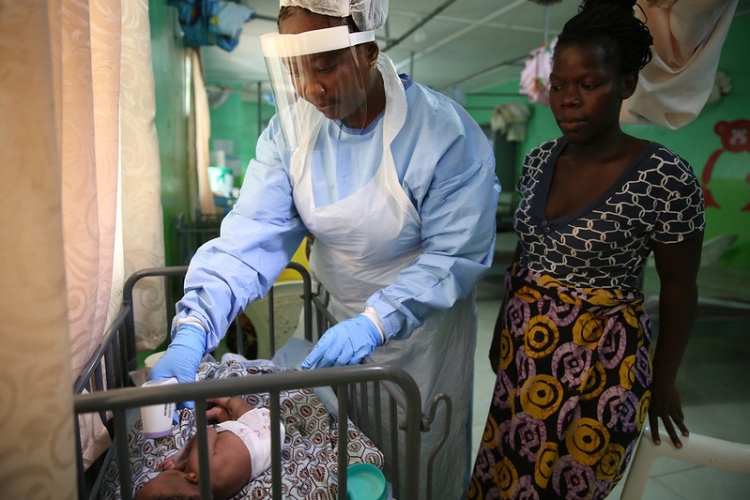 empowerment can contribute to an inclusive, resilient, and sustainable recovery.
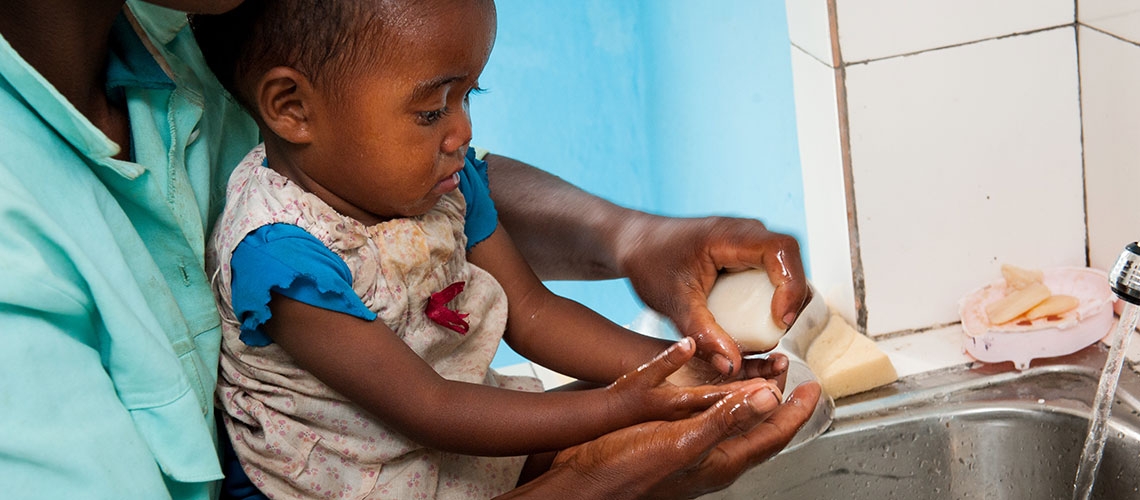 shuttered for the foreseeable future, the health, education, and overall well being of the Malagasy people are increasingly at risk. As the pandemic hits more and more countries, the World Bank Group and other organizations like ours are stepping up to provide immediate support to countries in order to quickly get resources to the front lines of fighting this disease.
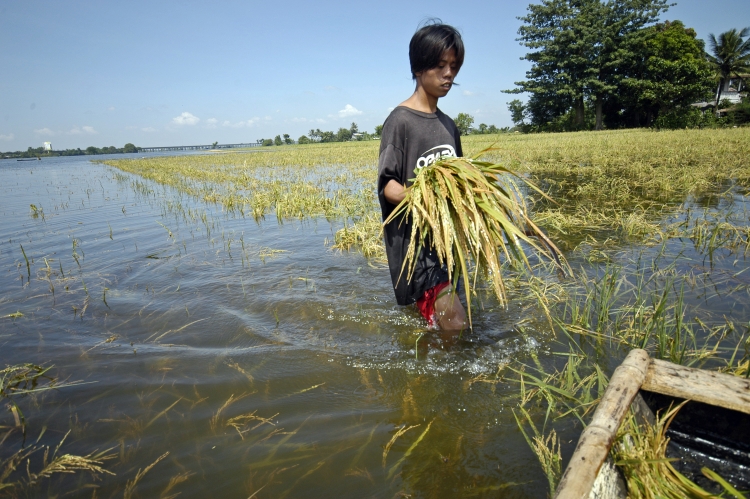 annual meetings when our group, visitors from more than 189 countries along with Indonesians on the island and neighboring communities were acutely woken up at dawn with magnitude 6.4 quake that struck off the coast. Early reports by the National Disaster Mitigation Agency indicated extensive damage to infrastructure and loss of lives in the span of a few minutes. The Indonesian response that followed revealed the difference disaster risk finance can bring to families, economies and societies at large. I was humbled by what I experienced and what we can contribute -as an institution together with our partners- to manage these acute disasters more prudently, effectively and humanely.
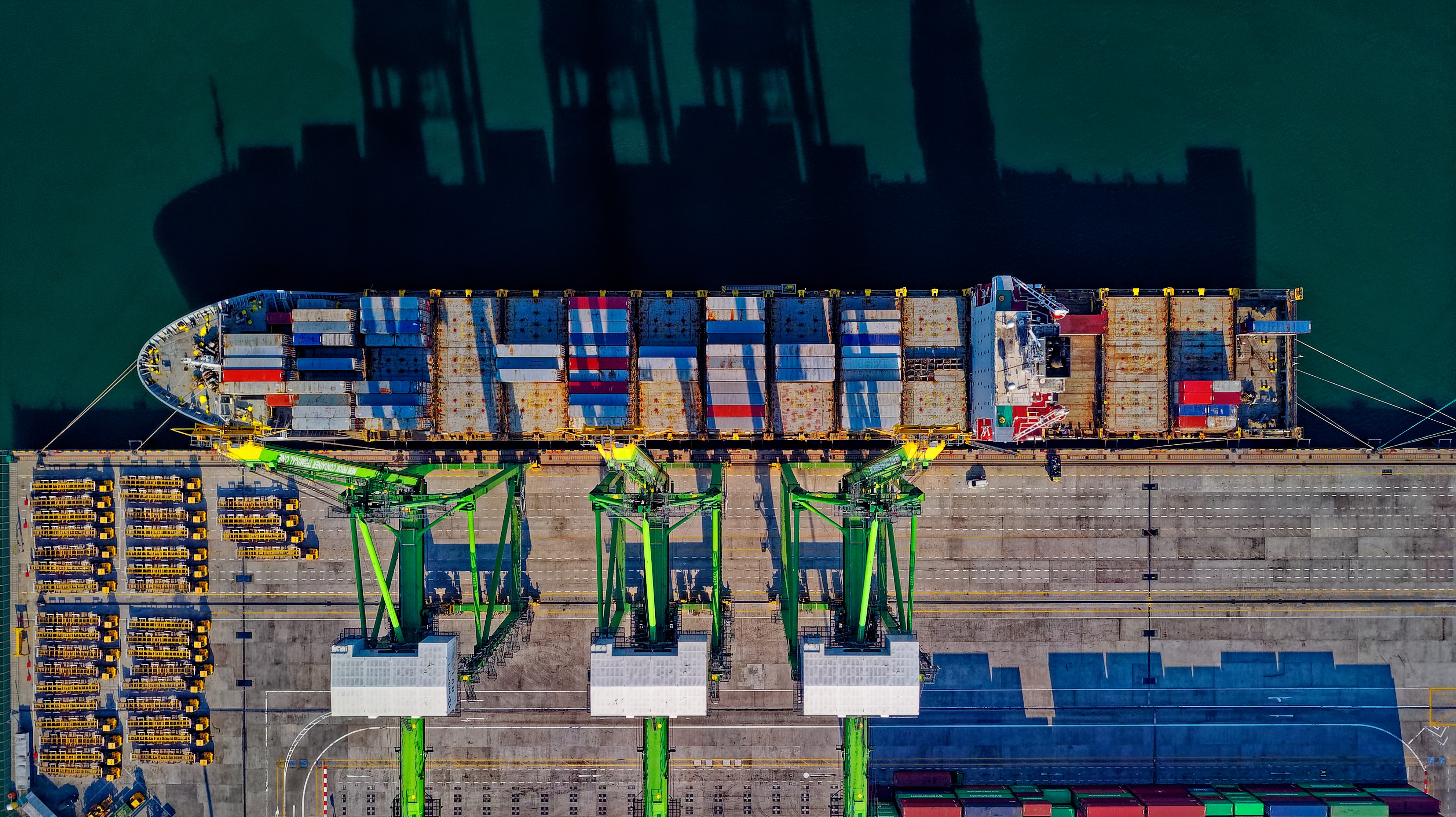 to address resource scarcity, wastage, and the associated environmental effects, but also for incentivising innovation and modernisation towards a circular economy. Resource efficiency essentially means doing more with less, as it allows us to create more value using fewer natural resources. This transition can contribute to sustainable economic growth that generates welfare, while limiting harmful impacts on the environment and hence future generations.” Ángel Gurría, Secretary General, OECD (from Preface,
  infrastructure in ASEAN, MPAC 2025 recommended the establishment of a rolling priority pipeline list of potential ASEAN infrastructure projects and sources of funds.
 Netherlands for the World Bank
You must be logged in to post a comment.