Promoting Productivity Would Boost GDP and Create More and Better Jobs for Countries in Europe and Central Asia

WASHINGTON, November 24, 2025—Countries in Europe and Central Asia (ECA) should urgently push to make more efficient use of existing economic assets and invest in the capabilities of its firms and people to unlock faster growth, according to a new World Bank report released today.

Continue reading

IFI Water Sector Fact Finding Mission

With pleasure we would like to tell you more about our upcoming mission: The Internationalwater_hero Financial Institutions (IFI) Water technology fact-finding mission to Washington D.C. 22-25 January 2024. This event is co-organized with the other private sector liaison officers of Austria, Germany, Spain, Canada, Switzerland and England.

Continue reading

Remembering the lessons of COVID-19 to build resilience for future shocks in Europe and Central Asia

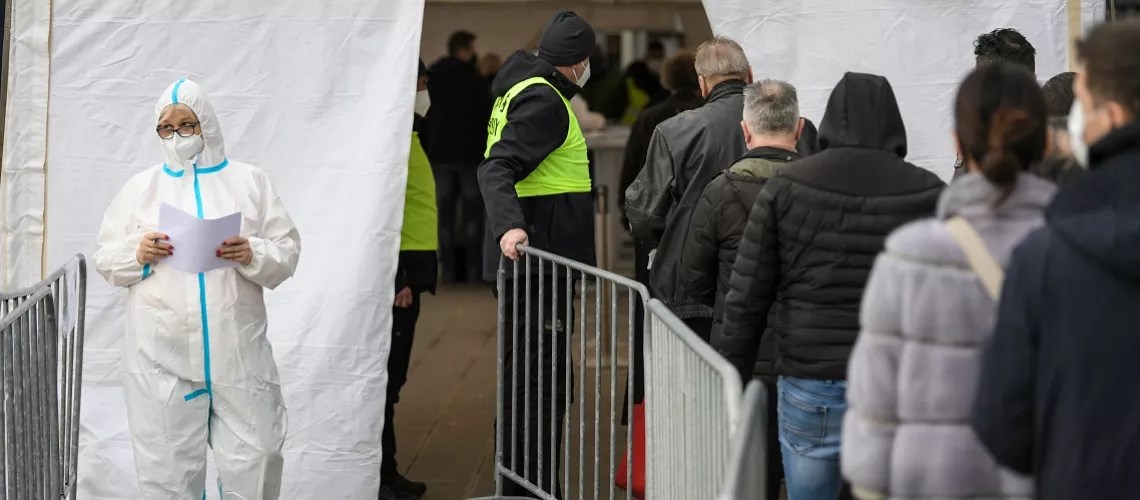
From January 2020 until recently, COVID-19 dominated international headlines and ourserbiacovidtesting.jpg thoughts. Europe and Central Asia were severely hit by COVID-19, facing among the highest excess death rates in the worldAs we start to mask less and come together more, we should reflect on the ramifications of COVID-19 and how we are helping the most vulnerable in Europe and Central Asia address the human capital losses it induced.   

Continue reading

eC2: Europe and Central Asia Regional Water Security Initiative: Development of an Assessment Methodology and preparation of Diagnostic reports

Deadline:   14-Dec-2020 at 11:59:59 PM (Eastern Time – Washington D.C.)water

Objective: The objective of the assignment is to identify and benchmark current and future challenges around water security in the Europe and Central Asia region; and, to develop a methodology to prepare country and regional water security assessments as well as to provide country specific recommendations. The assignment will also support (a) the assessment and description of a broad story of current and future water security (taking into account inter alia climate change and changes in socio-economic development patterns) that is relevant to policy makers both within and outside of the water sector; and, (b) through the development of the referred platform, contribute to discussions around potential actions to enhance water security and reform agendas through the definition of best-fit practices and international comparison.

Continue reading

eC2: Legal COVID-19 PPP Rapid Assessment – Africa, Europe, Middle East

Deadline: 07-May-2020 at 11:59:59 PM (Eastern Time – Washington D.C.) CoronaVirusHeader-Final-3-1536x647

To inform the Bank in the dialogue and support to governments with critical strategic short-term advice on the immediate impacts of the COVID-19 pandemic, IPG and PPIAF are establishing this Rapid Response Program. The Program will help provide international best practice insights in the Banks dialogue with client countries regarding options for planning for the medium to long-term impacts on PPP portfolios and ensuring they have access to the latest information and advice on relevant topics.

Continue reading

Europe and Central Asia: Health Systems, Safety Nets, and Support to Businesses All Critical to Protecting Lives and Livelihoods

WASHINGTON, 8 April 2020 – Decisive policy measures that prioritize investments in medical-appointment-doctor-healthcare-clinic-health-hospital-medicine[7]health care systems and provide safety nets for people, especially the most vulnerable, are critical to mitigating the impacts of the COVID-19 (coronavirus) pandemic in Europe and Central Asia, says the Spring 2020 Economic Update for the region.

In addition, countries in the region can help sustain economic activity by supporting the private sector with temporary business credits, tax cuts, or tax payment deferrals. Small and medium enterprises that are impacted could benefit significantly from targeted government subsidies.

Continue reading

Can technology help mitigate the impact of COVID-19 on education systems in Europe and Central Asia?

The last few weeks have witnessed heightened awareness of the threat from the blog1-herooutbreak of COVID-19 (coronavirus). As the virus spreads around the world, we also need to understand what it means for the education systems of Europe and Central Asia.

With the need to contain the virus, many countries are implementing measures to reduce gatherings of large crowds. Our schools are not immune to these actions, nor to the spread of the virus. Many countries have now implemented measures in their education systems – from banning gatherings to the temporary closing of schools.

Continue reading