How an Urban Program in Ethiopia Delivered More than a Million Jobs

Highlights

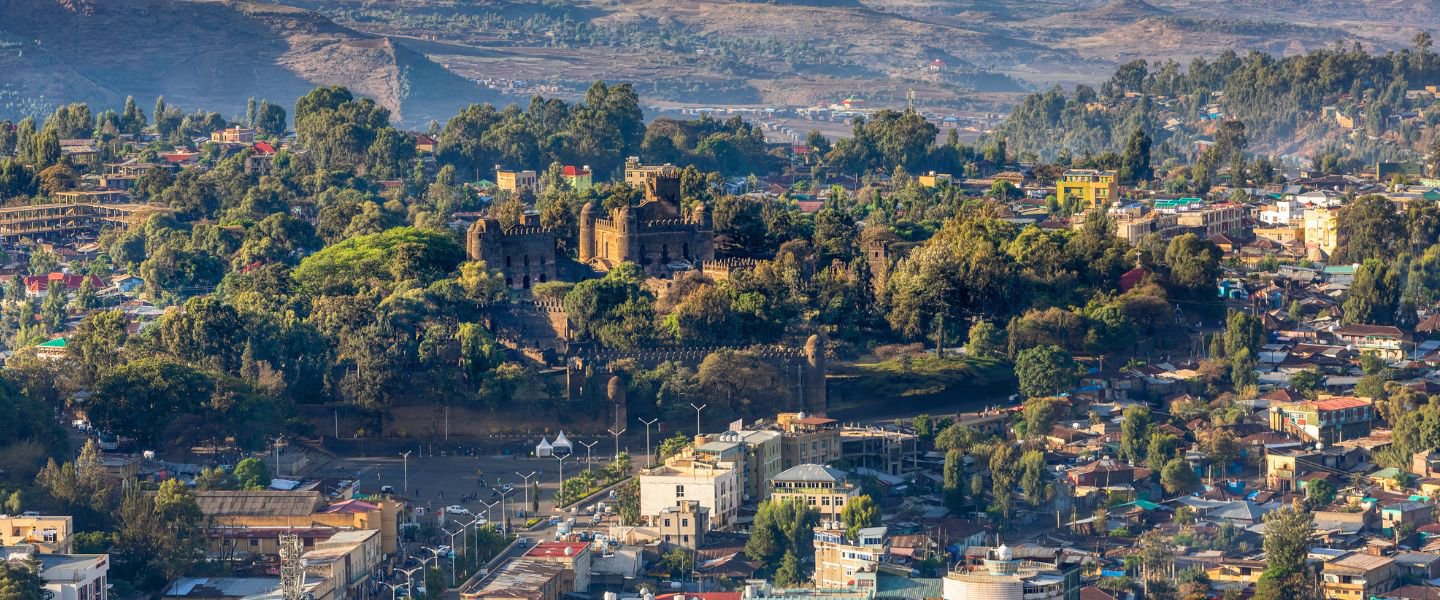
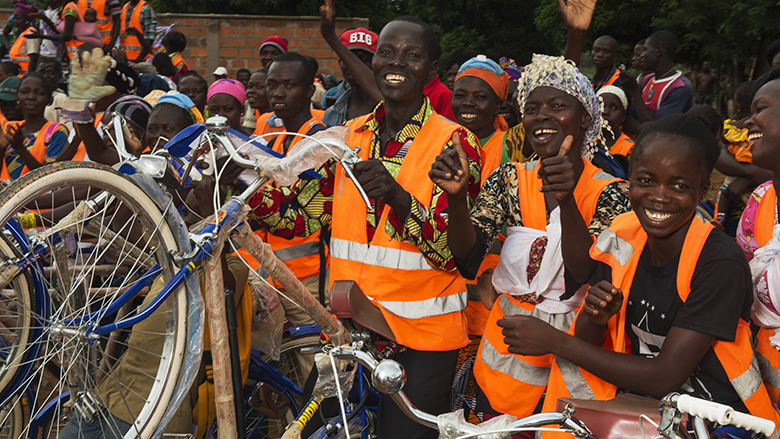
  • With World Bank support, over 1.15 million jobs were created as a result of the Ethiopia Urban Institutional and Infrastructure Development Program (UIIDP).
  • Infrastructure investments in 117 cities helped improve living conditions for more than 6.6 million people, fueling employment and economic growth.
  • Strengthened local governance and financial systems enabled cities to plan, deliver, and sustain job-generating urban development, even amid conflict and pandemic disruptions.
Continue reading

In Ethiopia, Reviving Soil and Improving Farming Livelihoods

STORY HIGHLIGHTS

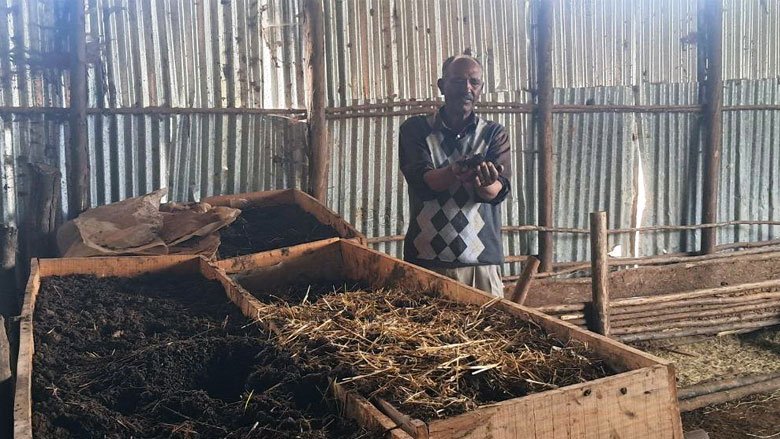
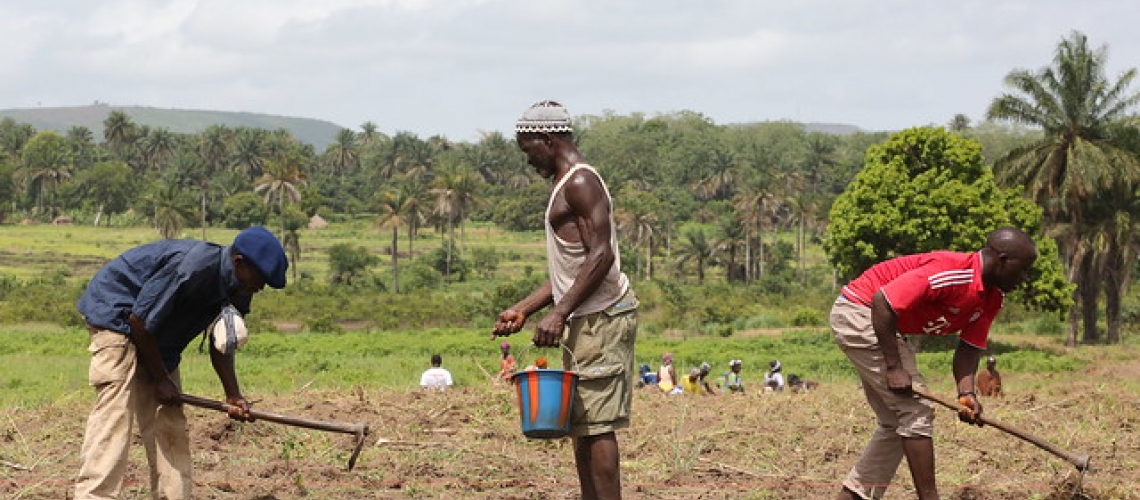
  • Smallholder farmers have been taught to restore soil health by learning sustainable farming practices like vermicomposting and integrated pest management.
  • The adoption of these techniques has led to increases in maize yields for individual farmers, improving their family’s food security and financial situation and contributing to broader community resilience.
  • The Ethiopia Food Systems Resilience Program has so far reached over 1.2 million farmers with an even broader range of interventions.
Continue reading

Lighting Up Eastern Africa: How Greater Access to Energy is Creating Jobs and Improving Public Services in Rural Ethiopia

STORY HIGHLIGHTS

  • Ethiopia has made significant progress in energy access in recent years; however, despite a 94% electrification rate in urban areas, around 60 million Ethiopians remain without electricity access.
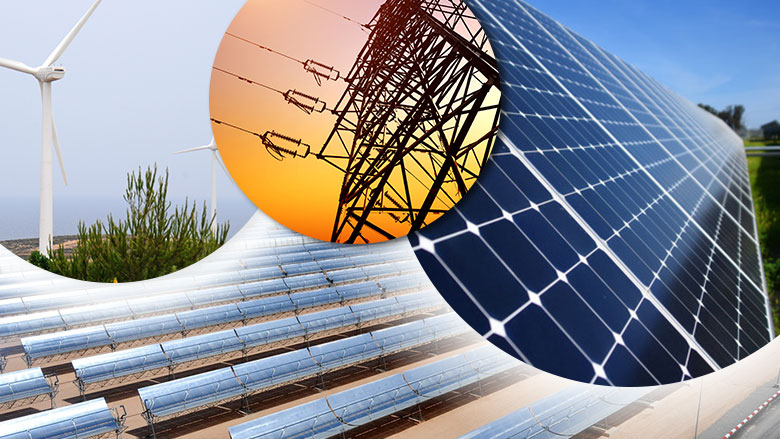
  • The World Bank-supported Ethiopia Electrification Program (ELEAP), has facilitated nearly 1.3 million on-grid connections, providing electricity to about 6.3 million people, and more than 19,000 public facilities such as schools, healthcare centers, and administrative government buildings, across Ethiopia.
  • ELEAP has supported the installation of 11 mini-grids, bringing electricity to nearly 20,000 people in isolated communities, promoting social and economic growth, and particularly benefiting rural women.
Continue reading

New Hope: Ethiopia’s Bold Move Grants Refugees the Right to Work

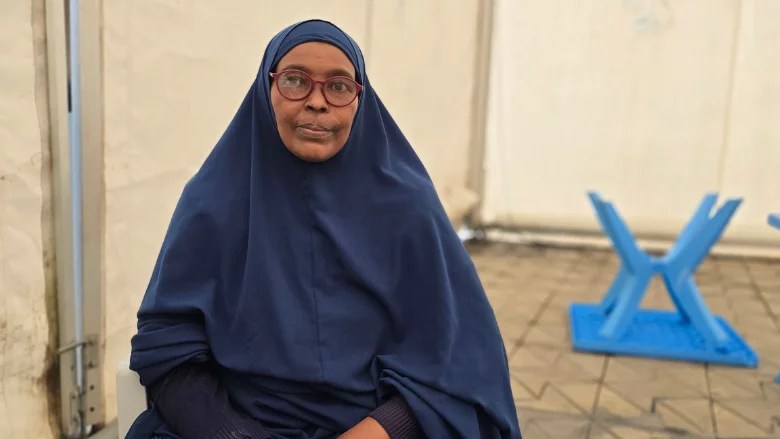
In a bustling marketplace on the outskirts of Addis Ababa, Lula Maygag Guray’s food stall humsLula-Maygag-Guray-Somalia-780 with activity. The smell of injera and samosa draws a crowd each day. However, ever since she arrived in Ethiopia, Lula has run her business informally because she did not have the right to work as a refugee. Continue reading

eC2: Climate-Smart Urban Development and Urban Resilience in Ethiopia

Deadline:   15-Mar-2021 at 11:59:59 PM (Eastern Time – Washington D.C.)

World Bank Group's Business Opportunities Fair: Climate-Smart En

The objective of the proposed activity is to support climate smart urban development in AA by (i) integrating Climate Smart Capital Investment Plans (CsCIP) into urban development planning, and (ii) preparing an integrated action plan, including policy actions, prioritized investments and institutional building towards green, climate-resilient urban development. In alignment with other ongoing WB engagements and based on international experiences in adapting to Covid-19, a locally attuned CS-CIP and action plan will be developed in coordination with AA City Administration.

Continue reading

eC2: Consultancy to Undertake a Proof of Concept Work on Business Service Hubs for Climate Smart Dairy Farming in Oromia Forest Landscape Project (OFLP) Areas

Deadline:   07-Dec-2020 at 11:59:59 PM (Eastern Time – Washington D.C.)cow-pasture-animal-almabtrieb.jpg

The objective of this project is to pilot the 3 business cases that are part of the climate-smart dairy hub model and provide evidence of the economic and environmental viability with participation of the private sector, including a strategy for further acceleration and scaling.

Continue reading

eC2: Oromia National Regional State: Regional Investment Climate Competitiveness Analysis

Deadline: 24-Mar-2020 at 11:59:59 PM (Eastern Time – Washington D.C.)

As a part of the Ethiopian Investment Climate Program of IFC/WBG, The Ethiopia Sub-Data-collection-fragile-settings1National Investment Climate Project is a pilot initiative implemented in two national regional states with the aim to a) strengthen regional investment promotion, retention and expansion capacity in selected/target sectors b) enhance regional business climate through streamlined regulatory and administration procedures; and c) strengthen inter-agency coordination and public-private dialogue for improved regional investment climate.

As part of its ongoing engagement, The Project seeks to recruit an experienced firm to undertake the following assignments;
– Analysis of the Regions competitive advantages and prioritization of strategic sectors
– Deep dive analysis of the sectors
– Institutional capacity diagnosis and capacity for Oromia Investment Commission
– Regional Investment Climate/doing business analysis with deep dive on priority issues to be selected in consultation with relevant stakeholders
Continue reading

eC2: Assessment of container glass recycling opportunities in Ethiopia

Deadline: 02-Mar-2020 at 11:59:59 PM (Eastern Time – Washington D.C.) index

IFC is seeking a consultant to conduct a mapping of the flows of waste glass in Ethiopia, with focus on container glass in the Addis Ababa area, assess existing glass recycling supply chain and potential for its development, as well as understand the prevailing regulatory framework.

Continue reading

eC2: Ethiopia Soufflet Heineken Malt Barley Supply Chain Development Project

Deadline: 25-Nov-2019 at 11:59:59 PM (Eastern Time – Washington D.C.) farmers_working_in_their_fields_in_guinea

To assist the operations of its investment clients, IFC intends to support an advisory project to substantially increase the local sourcing of commercially available malt barley from smallholder and emergent commercial farmers in Ethiopia. The three-year project would facilitate the expansion of local sourcing from current levels (20KMT) to around 80 KMT of raw malt barley from 40,000 farmers by the end of the project. The project will be focused on 23 woreda in Arsi, West Arsi, Bale and Shewa zones. IFC requires consultant services to assist with improving the malt barley production capacity of farmers in these areas. The work will have the following subcomponents: Improving farmers access to improved seed varieties. Improving farmers access to other inputs such as crop protection products and fertilizer. Building the agronomic and technical capacity of barley producers.

Continue reading

eC2: Agricultural Technologies and Supply Chain Innovations (AgTech) Project- Case 3: Precision Agriculture (Digitizing Livestock Farm in Ethiopia)

Deadline: 22-Oct-2019 at 11:59:59 PM (Eastern Time – Washington D.C.) download
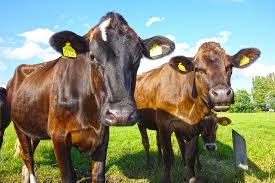
IFC intends to contract a Consulting Firm (the Consultant) who will design decision support systems for maximizing productivity and resource optimization, and set up dashboards that allow users to make intelligent decisions guided by the advanced technologies. The proposed technology solution should gather specific data (including, possibly, satellite data) on various factors that influence fodder production and livestock rearing: information on input application, farm management, meteorology, soil moisture, disease detection/prediction, crop monitoring and yield forecast/estimation. For livestock, the technology should include features (such as electronic IDs and machine vision) that monitor animals unique characteristics like age, growth, health, reproduction and pedigree.

Continue reading