2025 Global Gas Flaring Tracker Report

Highlights

  • In 2024, flaring surged by 3 billion cubic meters (bcm) to 151bcm, the highest level since 2007. The top nine flaring countries continue to account for three-quarters of all flaring, but less than half of global oil production.
  • More than half a billion people still lack reliable access to electricity. The associated gas wastefully burned each year is equivalent to Africa’s total annual gas consumption.
  • 389 million tonnes of carbon dioxide equivalent (MMtCO2e) emissions, including 46 MMtCO2e in the form of unburnt methane, were released by flares in 2024.


The latest Global Gas Flaring Tracker, an independent report of gas flaring worldwide, reveals that global gas flaring volumes rose to 151 bcm in 2024 from 148 bcm in 2023. This is the highest level since 2007. Flaring Intensity, the amount of flaring per barrel of oil produced, has remained largely unchanged in the last fifteen years.

The top nine flaring countries continue to account for three-quarters of all flaring, but less than half of global oil production. If captured and used, the gas flared could have helped provide energy for some of the world’s most energy-deprived people.

The increase in gas flaring in 2024 highlights the need for oil producers to rapidly accelerate efforts to end routine flaring and minimize pollution from oil and gas operations. The World Bank’s Global Flaring and Methane Reduction (GFMR) Partnership estimates that in 2024 flaring released 389 million tonnes of CO2e, with a significant portion in the form of unburnt methane.

The report highlights that countries committed to the Zero Routine Flaring by 2030 (ZRF) initiative performed significantly better than countries that have not made the commitment. However, while some countries have made progress reducing flaring, the overall increase in 2024 underscored the need for governments and operators to prioritize flaring reduction projects.

The report calls on governments and operators to act now to end routine gas flaring and reduce methane emissions from oil and gas production.

The World Bank’s annual Global Gas Flaring Tracker is a tool for monitoring and understanding the state of flaring worldwide and the progress made towards achieving Zero Routine Flaring by 2030. GFMR, together with the Payne Institute at the Colorado School of Mines, has developed global gas flaring estimates based upon observations from a satellite launched in 2012 and operated by the U.S. National Oceanic and Atmospheric Administration. The advanced sensors of this satellite detect the heat emitted by gas flares as infrared emissions.

About GFMR

GFMR is a multi-donor trust fund supported by governments, companies, and multilateral organizations committed to ending routine gas flaring and reducing methane emissions from the oil and gas sector. GFMR provides catalytic grant funding, technical assistance, policy and regulatory reform advisory services, capacity building and institutional strengthening for methane and flaring reduction projects. For example, GFMR mobilized $11 million to detect and repair methane leaks in Uzbekistan’s gas distribution network. The project has already eliminated 9,000 tones of methane emissions per year, with further reductions of 100 thousand tonnes of methane emissions expected each year.

Tracking SDG 7 – The Energy Progress Report 2025

Highlights

  • In 2023, the number of new electricity connections outpaced population growth, increasing global access to electricity to 92%. While this means 19 million fewer people are without electricity compared to the previous year, 666 million people are still without power. In addition, this rate of growth is not fast enough to ensure universal access to electricity by 2030.
  • 85% of the world’s population without electricity lives in Sub-Saharan Africa, up from 50% in 2010. In 2023, 35 million people in this region got electricity, but due to population growth, the number of people without electricity only decreased by 5 million, from 570 million in 2022 to 565 million in 2023.
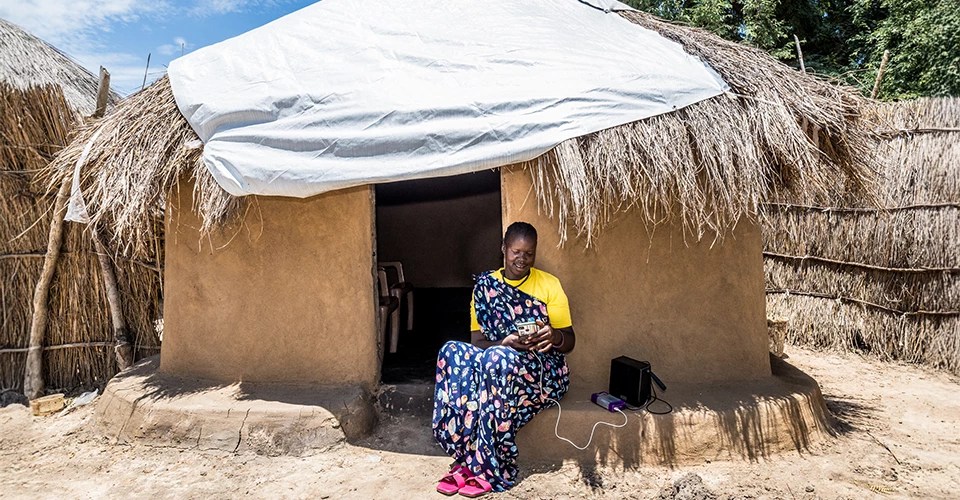
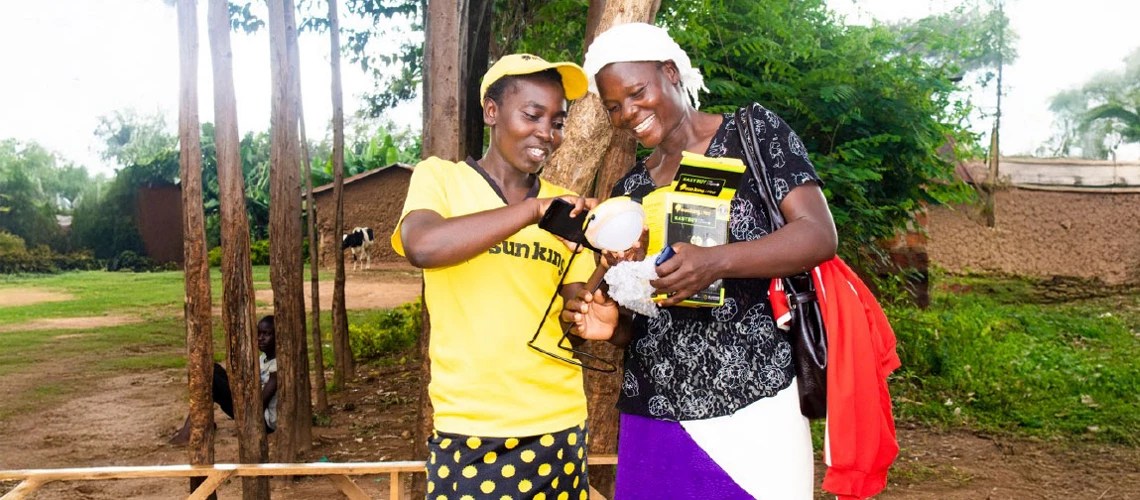
  • Most people without electricity live in remote areas, places facing conflict or violence, and low-income regions, making it hard to expand the electricity grid. However, new technologies and business models for decentralized renewable energy (DRE) – such as solar home systems and solar mini grids- offer flexible solutions for these areas. These solutions are expected to help over 561 million people worldwide in 2023, and they provided 55% of new electricity connections in Sub-Saharan Africa from 2020 to 2022.
Continue reading

World Bank Group, IAEA Formalize Partnership to Collaborate on Nuclear Energy for Development

PARIS, June 26, 2025—The World Bank Group and the International Atomic Energy Agency (IAEA) sealed an agreement today to work together to support the safe, secure and responsible use of nuclear energy in developing countries. The partnership agreement, signed by World Bank Group President Ajay Banga and IAEA Director General Rafael Mariano Grossi, formalizes multiple engagements between the two institutions over the last year, and marks the World Bank Group’s first concrete step to reengage with nuclear power in decades.

Continue reading

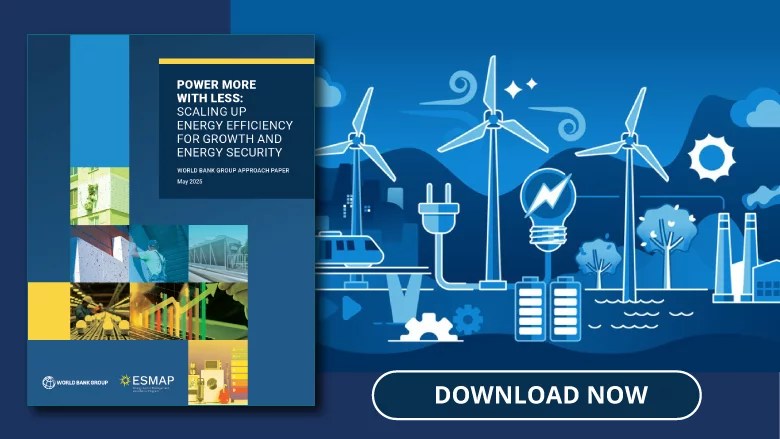
Power More With Less: Scaling Up Energy Efficiency for Growth and Energy Security

Energy efficiency is a transformative, low-cost solution that can fast-track access to affordable and secure energy and boost economic growth. Amid soaring power demand, driven in part by air conditioners, heavy industry, and, increasingly, data centers needed to power artificial intelligence, energy efficiency can help countries avoid overspending on new energy infrastructure, importing fuels, and taking on more debt for their energy sectors.  

Continue reading

Global Carbon Pricing Mobilizes Over $100 Billion for Public Budgets

Over one quarter of global greenhouse gas emissions are covered by carbon pricing

WASHINGTON, June 10, 2025—Carbon pricing revenues exceeded $100 billion in 2024, according to a new World Bank report released today. Over half of this revenue generated for public budgets was earmarked for environment, infrastructure, and development projects, representing a slight increase from previous years.

Continue reading

Improving Healthcare Access Through Renewable Energy

On Monday December 23, a sense of normalcy prevailed at Hospital Justinien; the most important hospital in Haiti’s Northern region. This, despite persistent and surprising rain which affected the region for more than a week. Nestled in the heart Haiti’s historic city of Cap-Haitien, the Justinien University Hospital (JUH) is the largest public hospital in northern Haiti and the second-largest teaching hospital in the country. Thanks to a variety of available services, the hospital serves a population of over 1 million from Cap-Haitien and surrounding areas.

Continue reading

Mission 300: Unlocking capital for off-grid solutions in Africa

When African Heads of State, government representatives, private sector leaders, development partners, and civil society participants gathered in Tanzania for the Mission 300 Africa Energy Summit, they did so against the backdrop of a continent that has seen off-grid solar solutions revolutionize energy access—with remarkable progress made and significant potential yet to be tapped.

Continue reading

Unleashing opportunities for women in Africa with access to energy

The extraordinary lack of energy in Africa–affecting about 300 million women-has profound effects on women’s economic opportunities. Women are already disproportionately affected by energy poverty, especially in rural areas. On average, women and girls spend 50 hours a week just fetching firewood, cooking, and collecting water. That’s 50 hours spent on subsistence, not on growing a business, pursuing education, or improving their health. In fact, 900 million African women and girls who lack access to clean cooking technology suffer from smoke inhalation-related diseases. That’s a huge barrier to their health, education, and economic potential.

Continue reading

How to close Africa’s energy access gap

What will it take to bring electricity to 300 million people in Africa who currently live without it? This is the goal we’ve set for Mission 300—to halve the number of people on the continent without reliable electricity by 2030. But setting a goal is just the spark. We need a full-blown power surge of bold reforms, investments, and an enabling environment for sustainable, scalable, and affordable energy solutions. 

Continue reading

Heads of State Commit to Concrete Plans to Transform Africa’s Energy Sector, with Strong Backing from Global Partners

DAR ES SALAAM, January 28, 2025 — Thirty African Heads of State and governments today committed to concrete reforms and actions to expand access to reliable, affordable, and sustainable electricity to power economic growth, improve quality of life, and drive job creation across the continent.  

Continue reading