
When schools around the world moved online due to COVID-19, children in
developing countries suffered the most. Even though digital learning does not produce the same outcomes as in-person education, technology used effectively can close educational gaps and prevent learning loss.
Tag Archives: COVID-19
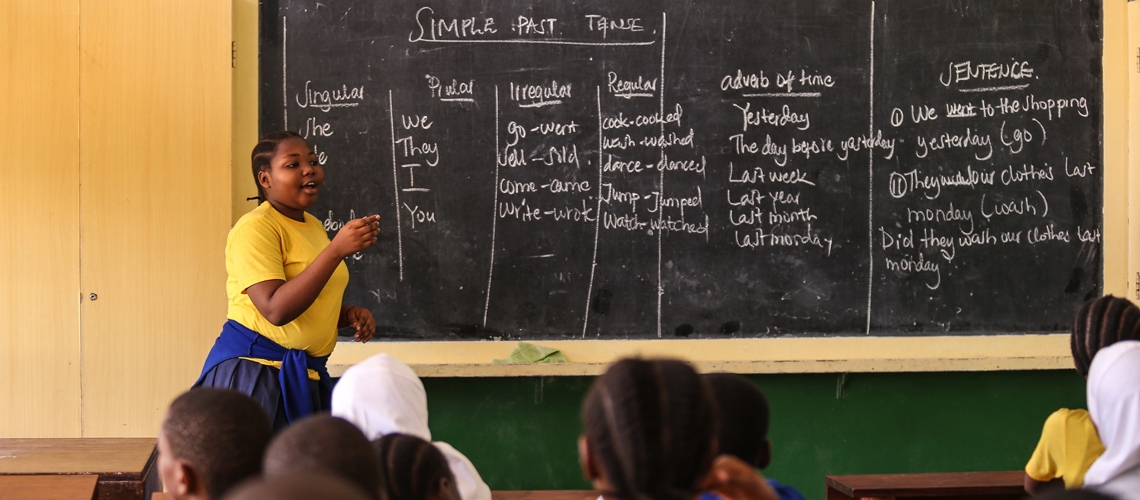
Mobilizing against child malnutrition
A child born at the start of 2020 was less likely to become malnourished than a child born at  the turn of the Millennium. Investment, innovation and commitment has seen rates of malnutrition fall. Yet despite this progress, malnutrition is still blighting lives around the world. What’s more, it is being dramatically exacerbated by the COVID-19 pandemic, which has rolled back decades of progress in child undernutrition and worsened the growing challenge of overweight and obesity. This has been compounded by disruptions to health and nutrition delivery systems, which are crucial in preventing, diagnosing and treating malnutrition.
How a novel financing tool is helping bring the private sector into difficult markets
More than one-third of people in Senegal work in agriculture, many tending to small plots of 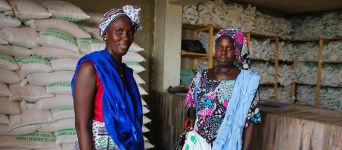 millet, rice, and ground nuts. Despite their importance to Senegal’s economy, these farmers often cannot afford the fertilizers and high-yield seeds so crucial to improving productivity.
To change that, one of Senegal’s leading microfinance institutions, Union des Mutuelles Alliance de Crédit et d’Epargne pour la Production (UM-ACEP), has long been providing loans to farmers. But it faces a challenge — one I have seen all too often in Sub-Saharan Africa. To reach more farmers, UM-ACEP needs capital, and many financial institutions are hesitant to lend the company money. They fear that UM-ACEPs business is too risky because their customers are smaller businesses with limited experience and undocumented financial performance.
So, IFC has stepped in.
Partnering for green, resilient and inclusive development in Tanzania
I had the opportunity to visit Tanzania last month, my first mission to Africa since joining the  World Bank. It was a long-awaited trip, as I wanted to see for myself what more we can do to support countries that are striving to recover from COVID-19. Coming from Indonesia, I also thought there were experiences that I could share from my own country’s development.
Putting People at the Heart of Green, Resilient, and Inclusive Recovery
Harnessing transformative technologies to arrest the unfolding human capital crisis
On a global scale, the COVID-19 pandemic has dealt the greatest blow to families and children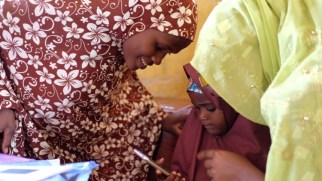 in living memory. Progress in human capital – the knowledge, skills, and health that people need to achieve their potential – is being reversed.
Remittance Flows Register Robust 7.3 Percent Growth in 2021
WASHINGTON, Nov 17, 2021 — Remittances to low- and middle-income countries are projected to have grown a strong 7.3 percent to reach $589 billion in 2021. This return to growth is more robust than earlier estimates and follows the resilience of flows in 2020 when remittances declined by only 1.7 percent despite a severe global recession due to COVID-19, according to estimates from the World Bank’s Migration and Development Brief released today.
Growth in a Time of Crisis: What’s Ahead for Developing Economies
The opening public event of this year’s Annual Meetings – Growth in a Time of Crisis: What’s Next for Developing Economies – delved into questions like these:
- How can countries build back to a sustainable, resilient, and inclusive economic recovery while also investing in their people?
- What are the fundamental barriers to sustainable and inclusive growth in low and middle-income countries and fragile and conflict-affected settings, and what does the future of growth look like?
- What types of policies are important to support inclusive growth for vulnerable populations? How can digital technology help ensure inclusion?
- What’s needed to support private investment, especially small and medium enterprises, and create jobs in developing countries?
- What role can central banks play to help spur job creation and investment?
Making Climate Action Count: Turning Ambition Into Reality
Two weeks ahead of a pivotal meeting on climate change (COP26), the Annual Meetings event Making Climate Action Count: Turning Ambition Into Reality brought together global leaders, prominent climate advocates and climate champions from several countries to discuss what the world needs to do to meet the goals of the Paris Agreement. Followed on social media with the hashtag #Voices4Climate, the event also took the audience on a virtual journey around the globe, showing how countries from Vietnam to Brazil are working towards a more sustainable and resilient future.
Trade to the Rescue: Unleashing Global Trade to Support Economic Growth
Expanding trade flows can be part of the solutions to global challenges, when accompanied by the right policies. World Bank President David Malpass and WTO Director General Ngozi Onkonjo-Iweala discussed how global trade has limited the extend of the current global recession and laid out the practical steps countries could take to spread the benefits of trade more widely. Trade costs, on average, are equal to a 114 percent tariff on imported goods in developing countries. Much of that burden on consumers is the result of inefficient border procedures and poor transportation infrastructure. Trade facilitation reforms and investment in infrastructure could give a big boost to trade within regions. Betty Maina, Kenya’s Minister of Industrialization, Trade and Enterprise Development, spoke of how trade liberalization is a central part of her country’s aspirations for incomes and development.
“Trade can be a powerful catalyst for growth and social economic development and poverty reduction, particularly if we implement it with the poor in mind,” Maina said.
Leaders from the public and private sectors discussed the importance of investments in logistics and expanding trade finance that could strengthen the contribution of trade to economic recovery, and noted the ways that trade could help developing countries mitigate and adapt to climate change.
 Netherlands for the World Bank
You must be logged in to post a comment.