
| You are receiving this email because you signed up for our World Bank Live Updates. We want to let you know that we have a new event coming up. February 24, 2026 <a href=”https://t.newsletterext.worldbank.org/r/?id=h2b2ee0f5,eee3225,ef2b99c&e=cDE9PGIgc3R5bGU9J2NvbG9yOg&s=zGT66GYPFF33l5dYVLcOjlfn37s7L0niNs2YVRGL9uE#004370;font-size:16px;’>Women, Business and the Law 2026—Benchmarking Laws for Jobs and Inclusive GrowthWomen, Business and the Law 2026—Benchmarking Laws for Jobs and Inclusive Growth Location: Online |
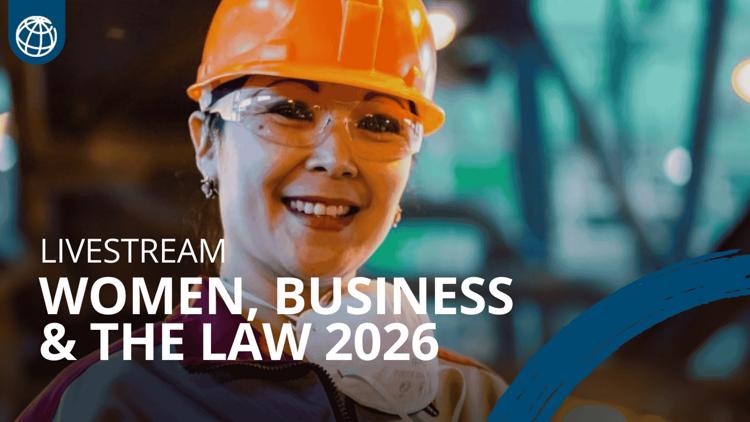 |
| Advancing women’s economic participation is a key driver of growth and job creation. Estimates suggest that removing barriers to women’s economic participation could raise global output by 15–20 percent. Yet progress remains uneven, with many countries facing persistent gaps in legislation, implementing policies and institutions, and legal enforcement. Join us online or in person in the Preston Auditorium at the World Bank Group Headquarters in Washington, DC, for the global launch of Women, Business and the Law 2026,a flagship World Bank Group report that examines the legal and policy factors shaping women’s access to economic opportunities. Drawing on data from 190 economies, the report benchmarks progress across 10 dimensions of women’s economic life, including pay, assets, entrepreneurship, childcare, and workplace protections. This event will explore where gaps remain, which reforms have proven effective, and how legal and policy choices can support more inclusive and competitive economies. Policymakers, researchers, business leaders, and development practitioners will discuss the evidence behind women’s economic rights and their implications for growth and jobs. Welcome and Opening – Sumi Somaskanda, Chief Anchor, BBC News – Indermit Gill, Chief Economist and Senior VP of Development Economics, WBG – Paschal Donohoe, Managing Director and Chief Knowledge Officer, WBG Key Messages of Women, Business and the Law 2026 – Tea Trumbic, Manager, Women, Business and the Law, WBG Voice of an Entrepreneur – Lina Maria Useche Jaramillo Panel — Legal reforms and actions needed to accelerate inclusive growth – Gargee Ghosh, President of Global Policy and Advocacy, Gates Foundation – Norman Loayza, Director, Policy Indicators Group, WBG – H.E. Wafa Bani Mustafa, Minister of Social Development, Jordan – Moderated by: Sumi Somaskanda Closing Remarks |
| “Credit: World Bank Group. All rights reserved” |



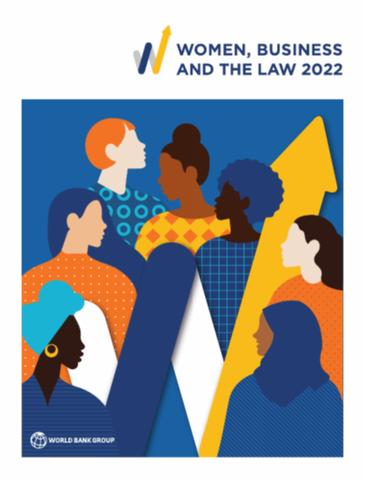 the laws and regulations that affect women’s economic opportunity in 190 economies. The project presents eight indicators structured around women’s interactions with the law as they move through their careers: Mobility, Workplace, Pay, Marriage, Parenthood, Entrepreneurship, Assets, and Pension. Amid a global pandemic that threatens progress toward gender equality,
 ourselves!
 Netherlands for the World Bank
You must be logged in to post a comment.