Interested in Doing Business with the World Bank Group? Please see selected opportunities below.
Procurement Framework and Regulations for Projects After July 1, 2016 (worldbank.org)

Interested in Doing Business with the World Bank Group? Please see selected opportunities below.
Procurement Framework and Regulations for Projects After July 1, 2016 (worldbank.org)
 World Bank Group Corporate Procurement unit for an engaging presentation on how to access corporate procurement opportunities.
Empowering women helps countries overcome crises, unleash trillions of dollars in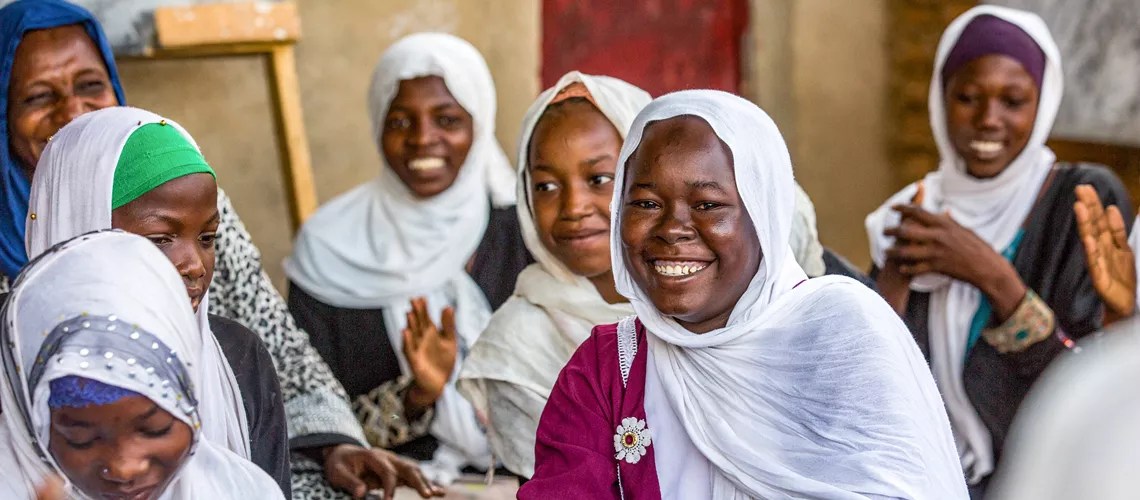 economic potential, and improve community wellbeing. Yet, globally, the advancement in women’s education has not translated into better jobs, more assets, or stronger voice for women. How, then, to accelerate equality?
At these substantial volumes, any improvement in public procurement can potentially contribute to savings, integrity, economic growth, inclusiveness, and sustainability. As governments around the world face massive fiscal pressure and rising inflation, they must ensure productive use of public resources—an efficient, transparent, and accountable public procurement is one way of doing so.
Interested in Doing Business with the World Bank Group? Please see selected opportunities below.
Procurement Framework and Regulations for Projects After July 1, 2016 (worldbank.org)
If you’re as enthusiastic about transport and development as we are on this blog, you’ve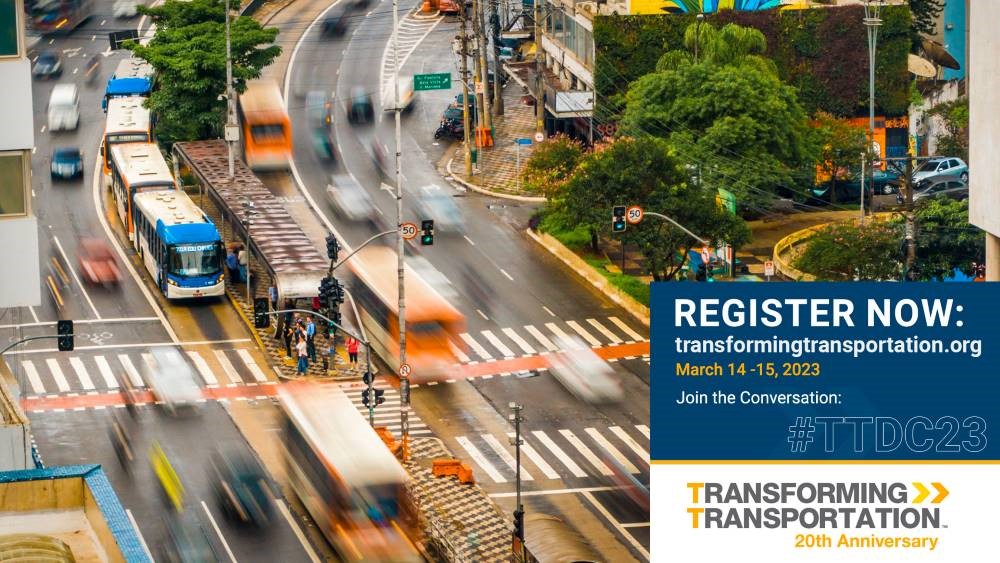 probably already heard about Transforming Transportation, the annual sustainable mobility conference hosted jointly by the World Bank and the World Resources Institute. Every year, the multi-day forum brings together a prestigious lineup of global leaders and industry experts for an extensive program of events at the nexus of transport, development, and climate action.
FEATURING: Axel Van Trotsenburg, the World Bank’s Managing Director of Operations / Honorable John Dabi, Deputy Commissioner of South Sudan Commission for Refugees Affairs / Fidel Saad, Save the Children Lebanon’s Food Security, Livelihoods and Social Protection Technical Advisor / Lara, a Ukrainian refugee.
Challenges Without Borders: Confronting Crises Around the World https://player.captivate.fm/episode/88a3e008-fefb-449f-9560-6856bd505b2f/
You can hear first-hand from innovators who’ve already taken part in our program, and you can sign up for webinars to learn more about our three regional initiatives and the application process. We share the latest example of how we help participants raise their global profiles. Plus, we look at the impact of the program, implemented in partnership with the UK government’s Department for Energy Security & Net Zero, in accelerating the adoption of affordable, energy-efficient, and climate-smart cooling solutions where they are needed most.
Please don’t forget, applications for our sustainable cooling open call close on March 19. You can contact us with any questions via techemerge@ifc.org.
Got Questions? We’ve Got Answers!
TechEmerge will hold a series of webinars where you can meet program leads, find out more about our new programs in Africa, India, and Latin America’s Andean Region, and discuss the finer details of the application process. Our webinars are offered at two different times, so please choose the one that works best for you and register to join us online.
See note below from USAID
—————————————————————-
Dear Partners,
On Tuesday, March 23 at 8:30am ET, we will host our FY 2023 Second Quarter Business Forecast and Partner Update webinar. You can click here to register.
Submitting Business Forecast Questions
In advance of the event, we invite organizations to send questions specifically related to opportunities on the Business Forecast. Please see below instructions for submitting questions:
Please be sure to label each question with the project name as indicated on the Business Forecast, as well as the Country/Mission/Bureau/Operating Unit, as applicable.
Please send all questions to BusinessForecast@usaid.gov by no later than close of business on Wednesday, March 1, 2023.
Following the webinar, we will post responses to all of the Business Forecast-related questions on USAID.gov, along with a transcript and recording of the event.
If you have not participated in one of USAID’s Business Forecast calls, you can access previous recordings and transcripts here.
We look forward to answering your questions and speaking with you in a few weeks.
USAID Industry Liaison Team
Interested in Doing Business with the World Bank Group? Please see selected opportunities below.
Procurement Framework and Regulations for Projects After July 1, 2016 (worldbank.org)


You must be logged in to post a comment.