
We are now less than a decade away from the goal of Zero Routine Flaring by 2030, an 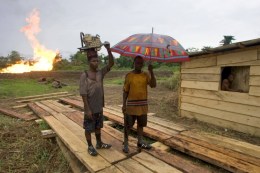 ambition that sits at the nexus of climate change mitigation and energy policy. Developed by the World Bank and launched in 2015 by the UN, World Bank and several governments, along with oil companies and development institutions, the Zero Routine Flaring initiative is designed to end an oil industry practice that has existed since oil production first began more than 150 years ago.
Category Archives: WBG News & Reports
Empowering the Poorest Countries Towards a Resilient Recovery
Economic inclusion programs: A springboard out of extreme poverty
As the world grapples with the pandemic, the new State of Economic Inclusion
report points to paths out of poverty for the poorest and most vulnerable.
The World Bank estimates that the economic fallout from the pandemic may add as many as 150 million extreme poor by 2021. Women, children, displaced populations, and people with disabilities have been particularly hard hit.
Better Farming on Their Own Land: How Rural Communities in Cambodia Overcome COVID-19 Restrictions and Sustain Incomes
Story highlights: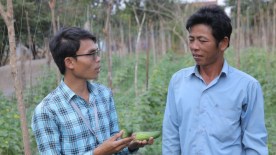
- In Cambodia, the Land Allocation for Social and Economic Development (LASED) projects secured about 16,000 hectares of land for landless and small landholder families across five provinces.
- Over 5,000 households have received direct benefits, including land titles.
- The projects will phase out by ensuring the sustainability of achievements and improving family incomes.
After the pandemic, put women first
From education to entrepreneurship, global recovery efforts need to pay
particular attention to the needs of women and girls.
When the 2008 recession hit, few asked how stimulus measures would affect women compared with men.
How to use technology to help teachers be better and to make life better for teachers
Teachers matter enormously to student learning. Teachers deliver academic knowledge.  Teachers impart model socioemotional skills. Good teachers boost students’ long-term life outcomes. Teachers can inspire (and in another demonstration of their importance, in some cases, sadly, teachers can disappoint or even abuse).
The COVID-19 pandemic has reinforced gender inequalities around the world
COVID-19 has seriously impacted the global progress towards gender equality, with women around the world continuing to face laws and restrictions that hinder their economic opportunity, according to the latest Women, Business and the Law 2021. Reforming laws toward gender equality must be a priority as governments look to recover from COVID-19.
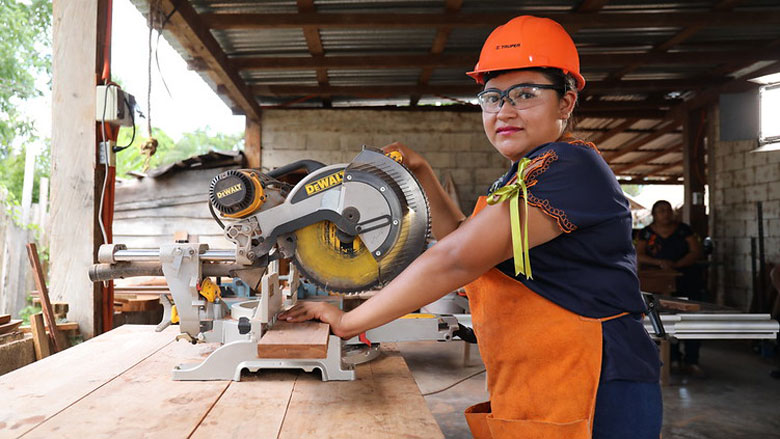
India: Rural women go digital to manage the pandemic’s disruptions
Muskanben Vohara and her group of women weavers in Gujarat’s Anand district were 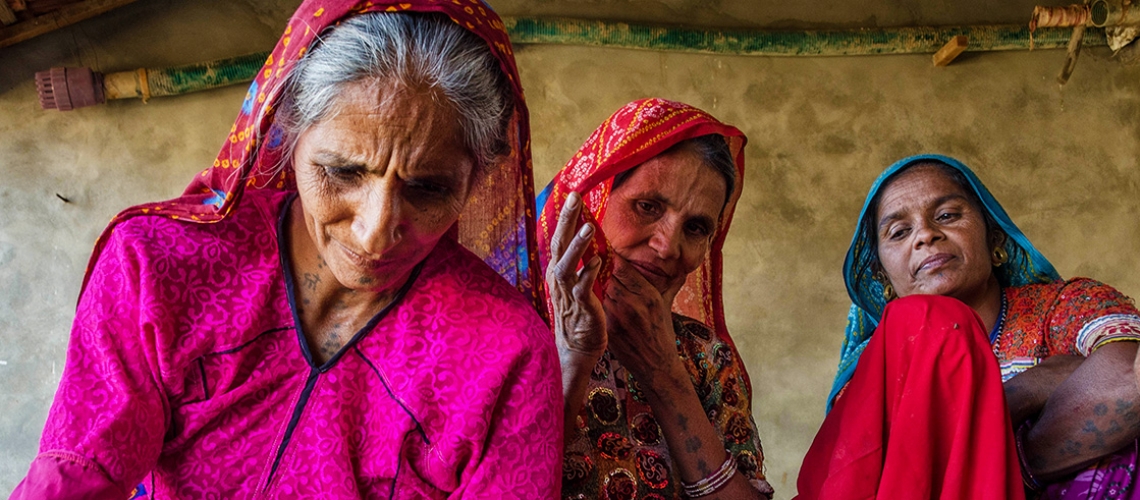 overcome with worry when the lockdown was announced to contain the Covid-19 pandemic.
Tracking an Unprecedented Year for Businesses, Everywhere
STORY HIGHLIGHTS

Woman worker in leather goods factory in Bogota, Colombia
- Nearly every business in the world has been affected by COVID-19—in different ways. While one-fourth of companies saw sales falling 50 percent in October-January from pre-pandemic levels, a third said their sales increased or stayed the same.
- To capture the impact of the pandemic on firms’ performance, the World Bank launched ongoing surveys with more than 120,000 firms in over 60 countries. The assessment is expected to help inform recovery efforts.
- Developing countries have introduced multiple support programs, but businesses most affected by the shock—small firms and those in poorer countries—were the least likely to receive government support.
Prevent the next food crisis now
Firms and workers continue to be deeply impacted by the COVID-19 pandemic as it enters its  eleventh month. Building on insights from COVID-19 Business Pulse Surveys, the first blog post in this series described the implications of the crisis for firm sales, employment, and financial performance, while the second discussed record levels of uncertainty and firms’ coping strategies, including adoption of digital technology. This third and final part of the series focuses on public policy responses.
 Netherlands for the World Bank
You must be logged in to post a comment.