Women, Business and the Law 2022 is the eighth in a series of annual studies measuring the laws and regulations that affect women’s economic opportunity in 190 economies. The project presents eight indicators structured around women’s interactions with the law as they move through their careers: Mobility, Workplace, Pay, Marriage, Parenthood, Entrepreneurship, Assets, and Pension. Amid a global pandemic that threatens progress toward gender equality, ‘Women, Business and the Law 2022’ identifies barriers to women’s economic participation and encourages reform of discriminatory laws. This year, the study also includes pilot research related to childcare and implementation of the law. By examining the economic decisions women make throughout their working lives, as well as the pace of reform over the past 50 years, Women, Business and the Law makes an important contribution to research and policy discussions about the state of women’s economic empowerment. The indicators build evidence of the critical relationship between legal gender equality and women’s employment and entrepreneurship. Data in ‘Women, Business and the Law 2022’ are current as of October 1, 2021.

 opportunities and everyday essentials. But despite their essential nature,
 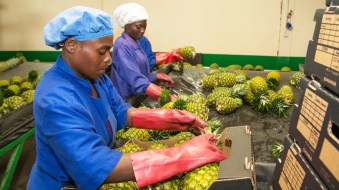 phase of the West Africa regional Food Systems Resilience Program (FSRP-2) approved today for a total amount of $315 million in International Development Association (IDA*) financing. FSRP-2 will support Chad, Ghana and Sierra Leone to increase their preparedness against food insecurity and to improve the resilience of their food systems. This comes at a moment where it is projected that approximately 38.3 million people in West Africa are projected to be in food security crisis.
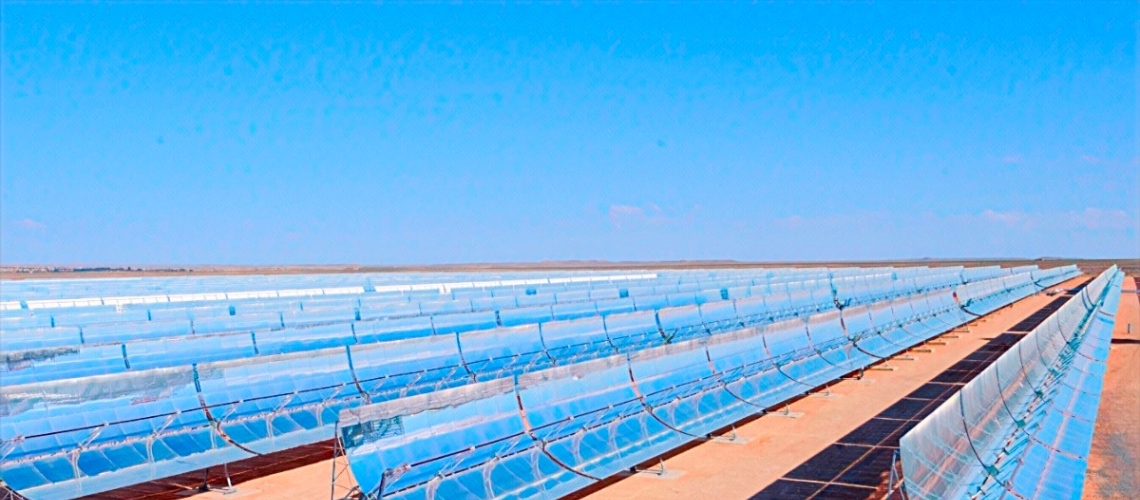 point—with overlapping crises such as the COVID-19 pandemic, the war in Ukraine and other conflicts, sharp economic slowdown, and the effects of climate change that will touch us all—the World Bank recently launched a report on
 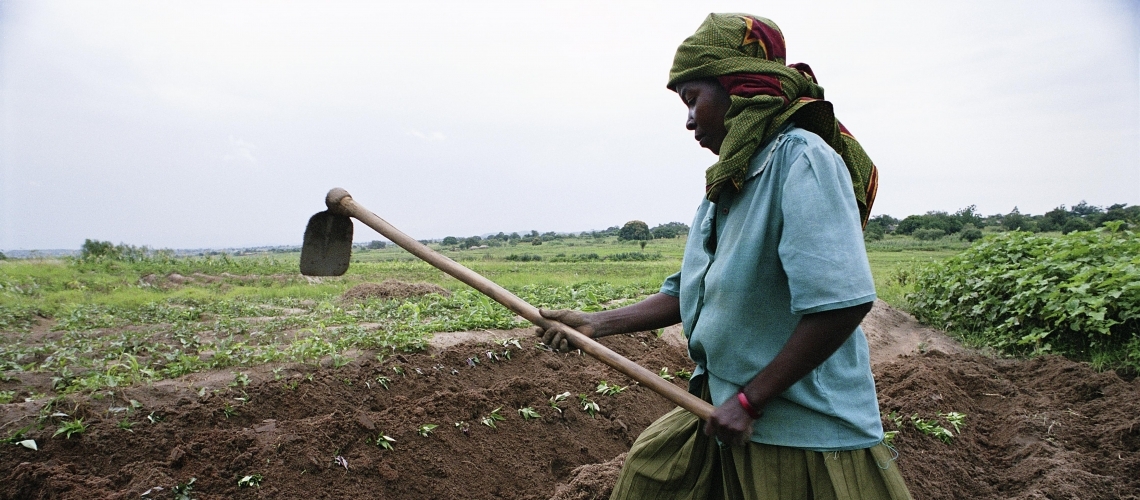 and remain volatile
  transport sector.
 Netherlands for the World Bank
You must be logged in to post a comment.