How Vietnam Opened New Doors for Deaf Children

STORY HIGHLIGHTSQIPEC-4

  • The Quality Improvement of Primary Education for Deaf Children Project developed new sign language gestures and trained deaf teachers, mentors, and caregivers.
  • Expanded sign language facilitated the integration of deaf children in Vietnam into the mainstream and special education.
  • The success of the project makes it suitable for expansion around the country and to older students.

Continue reading

Blue Economy for Resilient Africa Program

About the Blue Economy for a Resilient Africa Program 20180510-Guinea-Tremeau-015

The African Union estimates that the Blue Economy currently generates nearly US$300 billion for the continent, creating 49 million jobs in the process. These and other crucial benefits—most notably food security, livelihoods, and biodiversity—are entirely dependent on the ocean’s health. By safeguarding and enhancing marine and coastal health, countries will be in a better position to take full advantage of future Blue Economy opportunities, which range from sustainable blue energy to aquaculture to blue carbon.

Continue reading

World Bank Mobilizes Additional $4.5 billion for Ongoing Assistance to Ukraine

WASHINGTON, November 22, 2022—The World Bank Group today announced an assistance package for Ukraine of $4.5 billion in additional grant financing provided by the United States government. The grant is mobilized under the World Bank’s Public Expenditures for Administrative Capacity Endurance in Ukraine (PEACE) Project, which aims to help the Government of Ukraine sustain essential services and core government functions at the national and regional levels.

Continue reading

Key drivers of COVID-19 vaccine hesitancy in developing countries

Costa Rica’s Forest Conservation Pays Off

STORY HIGHLIGHTS World-Bank-Climate-Funds-Management-Unit-48050851712-db2b2023b6-b

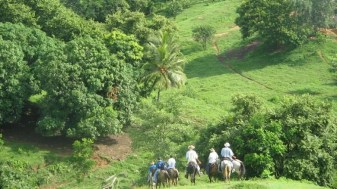
  • Costa Rica has become the first country in Latin America and the Caribbean to receive payments from the World Bank’s Forest Carbon Partnership Facility for reducing carbon emissions from deforestation and forest degradation—commonly known as REDD+.
  • This first payment – of $16.4 million for independently verified emission reductions — is a milestone for Costa Rica.
  • Results-based climate finance such as payments for emission reductions increasingly is being used to incentivize climate action and help countries achieve their Nationally Determined Contributions to the Paris Agreement.

Continue reading

Global Water Security & Sanitation Partnership: Five Years of Advancing a Water-Secure World for All

STORY HIGHLIGHTS GWSP-2022-AR-Feature-story

  • Over the past five years, climate considerations have become embedded in GWSP support, leading to a rising number of projects with climate co-benefits.
  • The World Bank Water Global Practice’s work in fragile, conflict and violence-affected areas has grown significantly, and Global Water Security and Sanitation Partnership now supports active engagement in 33 countries.
  • There is more social inclusion in the water sector. The average share of female engineers in 23 participating utilities in Ethiopia increased from 8 percent to 12 percent in just two years. Continue reading

Remarks by World Bank Group President David Malpass at the COP27 Climate Finance Event

Thank you, Prime Minister Madbouly, Dr. Shoukry for hosting this event on climate finance. 

Developing countries are facing an economic crisis, heavy debt burdens, high inflation, and climate change. It is a crisis facing development itself.

Continue reading

World Bank Group Announces Major Initiative to Electrify Sub-Saharan Africa with Distributed Renewable Energy

Initiative will use solar off-grid, mini-grids and other means to promote universal access to electricity

Washington, Nov. 9, 2022—The World Bank Group announced today an innovative initiative to accelerate the pace of electrification in Africa to achieve universal access by 2030. The World Bank, the Multilateral Investment Guarantee Agency (MIGA), the International Finance Corporation (IFC), and other development agencies will promote private investment in distributed renewable energy (DRE) systems to electrify targeted areas quickly and efficiently. The Distributed Access through Renewable Energy Scale-Up Platform (DARES) calls for joint action by government, private investors, and development agencies to solve Africa’s immediate needs while developing DRE solutions that can be applied globally.

Continue reading

Adapting Across East Asia and Pacific

How the World Bank is standing with a region at climate risk

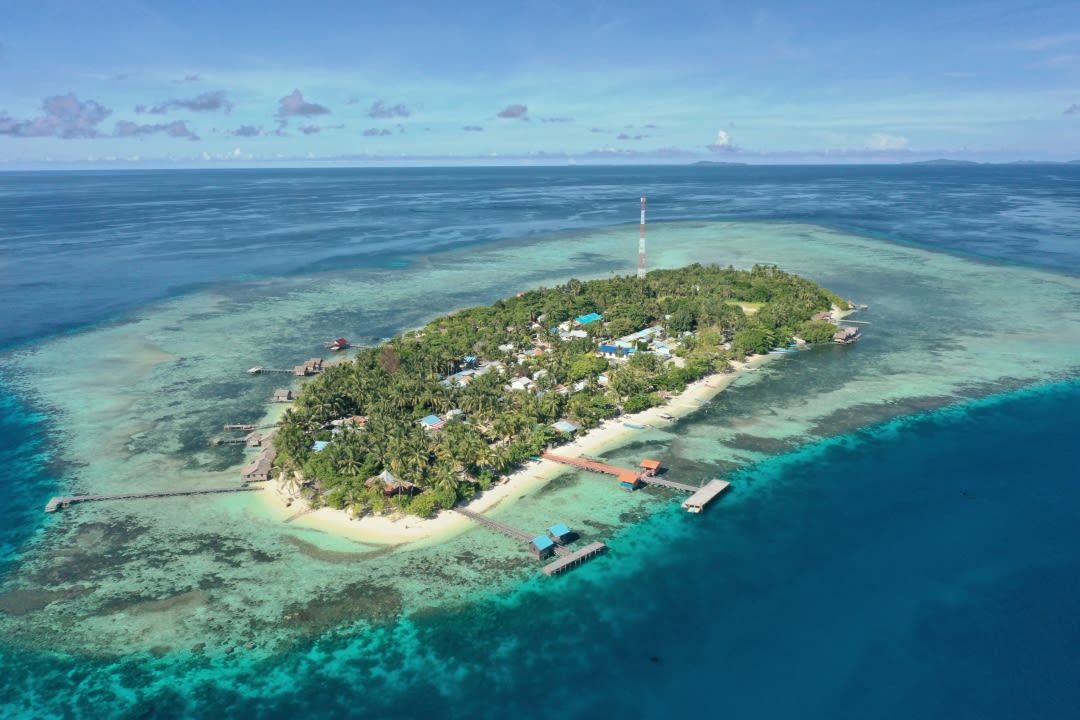
There is a saying in the Pacific that when it comes to climate change, ‘we are not drowning;image-1-1080x720 we are fighting’. This could also sum up the wider East Asia and Pacific region as a whole in the face of climate change; a region that, despite being exposed to some of the worst climate impacts in the world, is responding with innovation, strength and immense resilience. 

The World Bank is standing with the countries in the region in these efforts. In East Asia and the Pacific, 46% of new World Bank commitments in fiscal year 2022 contributed to climate action. Three countries across the region – Indonesia, the Marshall Islands, and Vietnam – highlight how the Bank is supporting their fight to adapt to climate change while securing resources and safeguarding important conservation gains far into the future.

Read Story


The Human Face of Climate Change

For Haliya Al-Jalal, a mother of six in Al-Adn, Yemen, walking long distances to collectfinal_mari_blog_nov_7_face.jpg drinking water was a daily chore she shared with her family. “Fetching water from the stream caused us great hardship,” she said. “Many children dropped out of school to devote themselves to this task every day.” 

Continue reading