
Ending poverty is not only one of the twin goals of the World Bank, but also one of the  Sustainable Development Goals. To design and optimize projects for poverty reduction, we need to measure their impact on poverty. This is quite difficult because changes in the poverty rate might take some time, and it is usually hard to attribute the impact to a particular project, especially without conducting a randomized controlled trial (RCT). But even if we manage to overcome these challenges, we need to measure poverty before the start of the project – as a baseline and to understand whether the project adequately targets the poor – and at the end of the project to assess its impact. And that is also not easy.
Yearly Archives: 2019
Lifelines for Better Development
STORY HIGHLIGHTS 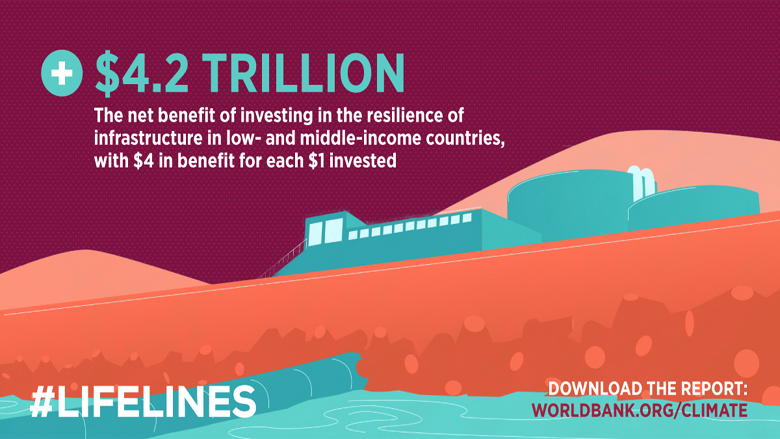
- Resilient infrastructure is about people. Particularly in developing countries, infrastructure disruptions are an everyday concern that affects people’s well-being, economic prospects, and quality of life.
- There is a significant economic opportunity from investing in resilient infrastructure: the overall net benefit of doing so in developing countries would be $4.2 trillion over the lifetime of new infrastructure.
- For infrastructure investors, governments, development banks and the private sector the message is clear: rather than just spending more, also spend better
Save the Date:Climate-Smart Energy Solutions Business Opportunities Fair
Image
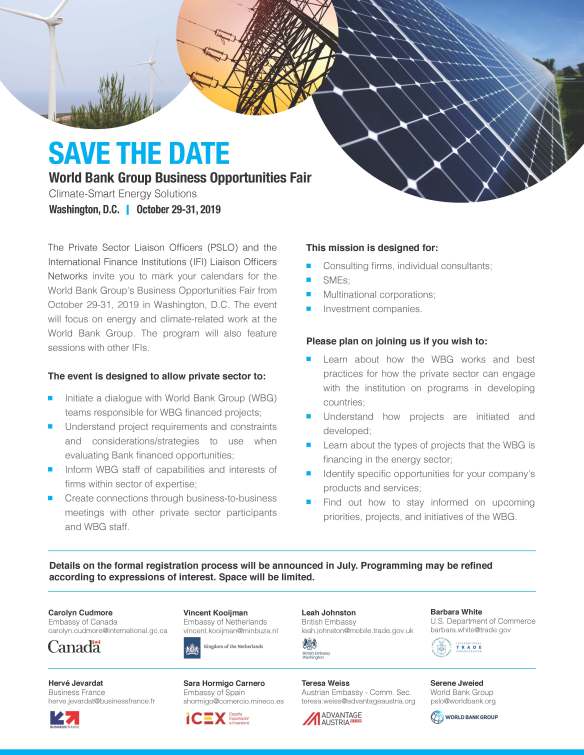
Chart: 47 million people are connected to a mini grid
A mini grid is an electric power generation and distribution system that provides electricity to a localized community. Mini grids will be critical in achieving universal electricity access by 2030. According to a new World Bank report “Mini Grids for Half a Billion People: Market Outlook and Handbook for Decision Makers”, mini grids are often the most economically viable solution for remote areas with high population density and demand and where extending the main grid is prohibitively expensive.

Afghanistan, Myanmar, India and Nepal have the highest number of mini grids, followed by China, Philippines, Indonesia. Analysis by the Energy Sector Management Assistance Program (ESMAP) shows that
Mini Grids for Half a Billion People: Market Outlook and Handbook for Decision Makers
STORY HIGHLIGHTS 
- Mini grids have the potential to provide electricity to as many as 500 million people by 2030, with the right policies and about $220 billion of investment to build around 210,000 mini grids.
- Over the past decade, mini grid costs have declined significantly, while the quality of service has increased. The per kWh cost of mini grid electricity is expected to decrease by two thirds by 2030.
- Significantly more mini grids will need to be deployed in the top 20 electricity access deficit countries – from 10-50 mini grids currently deployed each year per country to over 1,600.
eC2: Digital Government Strategy Inputs Sint Maarten
Deadline: 11-Jul-2019 at 11:59:59 PM (Eastern Time – Washington D.C.)
Recovery and Resilience Trust Fund, the Govt of Sint Maarten(SXM)is embarking on a digital govt transformation. The objective is to improve the efficiency, resiliency& accessibility of govt services. The WB is seeking a firm to support the development of a digital govt strategy that will articulate the vision, mission, key objectives and provide a roadmap to deliver on the digital govt transformation agenda. The strategy(i)should draw on international best practices, from globally recognized leaders in digital/e-govt(Estonia, Singapore and Netherlands);(ii)will need to reflect the unique history, culture and demographics of SXM as a Caribbean small island state that is highly vulnerable to natural disasters. This will entail conducting activities in3phases: 1. Data gathering& identification of stakeholder groups; 2. Consultative Strategy Development; 3. Implementation Roadmap & Strategy Execution.
eC2: Chemical status assessment methodology reflecting the impacts of the climate changes on the status of surface water
Deadline: 11-Jul-2019 at 11:59:59 PM (Eastern Time – Washington D.C.)
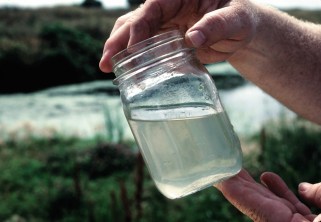
The assignment consists of the following activities:
Activity 1. Pressure and impact analysis taking into account new priority pollutants included in Directive 2013/39/EC and new industrial activities.
Activity 2 Chemical Status assessment.
Activity 3: Training of experts on the application of developed methodology for chemical status assessment.
Activity 4. Assessment of chemical status of water bodies in the country based on defined background concentrations, refined methodologies for chemical status assessment (including application of BLM) and available results (EEA).
Activity 5. Proposal for new monitoring programs or at least proposal for new monitoring points and pollutants for measurement. Critical evaluation of concentration of pollutants that has never been introduced in the country and never measured above EQS and proposal for their elimination from monitoring programs.
eC2: Assessing & Designing an End-to-end Data System for Disaster Risk Financing in Indonesia
Deadline: 15-Jul-2019 at 11:59:59 PM (Eastern Time – Washington D.C.) 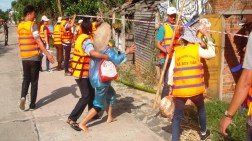
To help the Government of Indonesia better produce and utilize Disaster Risk Financing (DRF) analysis for decision making, the World Bank is seeking a suitably experienced and qualified firm to help the Government assess and design an end-to-end data system for DRF. Functional specifications of an end-to-end risk data flow include, but are not limited to following components: (i) Data collection & valuation module; (ii) Damage reporting, loss assessment, and claims management module; and (iii) Risk data analysis for decision-making module.
eC2: Small Scale Solar PV Portfolio: Assessment of battery storage options
Deadline: 11-Jul-2019 at 11:59:59 PM (Eastern Time – Washington D.C.) 
Locating smaller, utility-scale facilities closer to population centers can reduce reliance on long transmission lines that are vulnerable to damage during storms. It also means that if one facility goes down, others are still able to operate. This strategy of developing decentralized generation has already been utilized in more developed economies and is particularly relevant in areas that are prone to natural disasters. Batteries can provide backup power in the case of outages caused by storms and help utilities meet spikes in power demand. IFC is assessing the development of small solar PV sites and assessing whether battery storage could be included as part of the solar PV plants to offset the intermittency and provide other benefits. This consultancy is focused on the analysis of the battery storage options.
eC2: Reporting on EU Urban Waste Water Treatment Directive and Structured Implementation and Information Framework
Deadline: 03-Jul-2019 at 11:59:59 PM (Eastern Time – Washington D.C.) 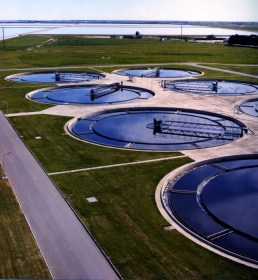
On January 28, 2019, The World Bank (WB) and the Ministry of Waters and Forests (MWF) have agreed to a Reimbursable Advisory Service (RAS) contract for the delivery of Technical Support to Romania for analyzing and addressing the challenges for meeting the Urban Wastewater Treatment Directive (UWWTD Directive 91/271/EEC) requirements. The Bank has been asked by the Government of Romania to provide technical assistance for i) updating the National Plan for implementation of UWWTD; ii) updating the national mechanisms for monitoring and evaluation of UWWTD implementation; and iii) drafting recommendations towards development of a National Water Supply and Sanitation (WSS) Strategy.
The objective of the required services will be to assist the World Bank team in recommending how to update the national mechanism for monitoring, evaluation and reporting on UWWTD implementation in Romania and implement the Structured Implementation and Information.
 Netherlands for the World Bank
You must be logged in to post a comment.