
Deadline: 21-Mar-2016 at 11:59:59 PM (Eastern Time – Washington D.C.)
The overall objective of this consultancy is to provide Tanzania Geothermal Development Company 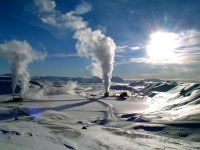 (TGDC) with best practices in preparing of environmental and social safeguard documentation for the geothermal exploration drilling in Ngozi, SW Tanzania. During the implementation of this assignment, the consultant will also have as a primary objective of training the staff at TGDC in aspects related to environmental and social safeguards for geothermal exploration drilling.
 drilling in the Ngozi area in SW Tanzania. The specific objectives are i) to present best practices to TGDC for the definition of the project contracting and management structure and ii) to present best practices to TGDC on the preparation of specific documents needed for the procurement of consultants and service providers to carry out the exploration drilling project.
 procurement event during which a presentation was held about the new Procurement Policy Framework. Around 25 companies, many of which had been involved in the preceding stakeholder consultations, were present to learn from Mr. Enzo de Laurentiis, World Bank Regional Procurement Manager, about the new framework and the new opportunities it creates for the private sector.
 Assessment (SEA) for the hydropower sector in Myanmar. The aim of the SEA is to identify and achieve broad consensus on a balanced, equitable and sustainable development pathway for hydropower in Myanmar over the next 20 years and beyond, based on environmental, social and economic considerations, to achieve the long-term economic development and sustainable use and protection of natural resources and ecosystems.
 sector. The program aims to become a leader in driving long-term competitiveness, and environmental sustainability of the sector by addressing critical issues, particularly focusing on the reduction of water, energy, and chemical consumption and wastewater pollution.
 progress in subsequent years can be measured as part of the Saving One Million Lives Program for Results (SOML PforR). To meet these objectives, the World Bank is supporting health facility based surveys in all the 36 states and the FCT. This process is strongly guided by the Federal Government of Nigeria, with close coordination with the State Governments and technical support from the World Bank.
 training workshop for up to 15 participants about the Standard of Good Agricultural Practice, GLOBALG.A.P. Version 5 for fruit and vegetables in Moldova. The workshop will cover GLOBALG.A.P. General regulations, All farm base, Farm management (soil, water and inputs), Documentation, and Staff Training modules and will be conducted with use of case studies to facilitate the learning. The content of the workshop should reflect the needs of local market participants, which have limited knowledge and experience in GLOBALG.A.P.
 Geothermal Strategy. The consultant responsibilities are expected to include:
 as well as estimate the demand and willingness to pay for piped sewerage in Monrovia;
 eater Cairo and water pollution in the Nile Delta, an analysis will be undertaken to determine the key abatement and policy measures to adhere to good practice international standards. The key sectors of analysis are: (i) waste; (ii) agriculture: (iii) sanitation: (iv) energy; (vi) transport; and (vii) industry.
 Netherlands for the World Bank
You must be logged in to post a comment.