
The pandemic has been anything but business as usual for women entrepreneurs. Women  entrepreneurs have sacrificed more time than men to undertake unpaid care during COVID-19, and their businesses have received less public support than those run by men. Unsurprisingly, this uneven support and uneven share of care have gone hand in hand with a greater risk of women-led businesses closing down, a review of new data by World Bank economists shows. This has raised concerns that COVID-19 could undo years of progress for women entrepreneurs. Setbacks from COVID-19 for women entrepreneurs in low- and middle-income countries have been severe.
Tag Archives: World Bank
COVID-19 vaccines: from rejection to shortage, how Côte d’Ivoire became a model for managing vaccine hesitancy
STORY HIGHLIGHTS 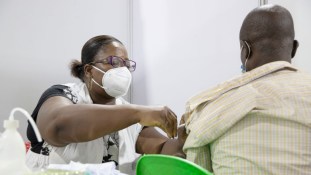
- In February 2021, Côte d’Ivoire’s efforts to vaccinate its population in order to save lives and stem the spread of the coronavirus were being stymied by a wave of misinformation and a low level of public acceptance of the vaccine
- The government embarked on a nationwide awareness-raising campaign, deploying mobile clinics and enlisting the support of influencers and religious and community leaders
- This strategy paid off for the country, which succeeded in increasing the number of people vaccinated by tenfold, from just 2,000 to over 20,000 per day in the following weeks
We need healthier air for a healthier planet
Air pollution is a multifaceted problem – representing the world’s leading environmental risk to  health and costing the globe an estimated $8.1 trillion in 2019 , 6.1 percent of global gross domestic product (GDP).
Air pollution is also deadly, causing or contributing to heart attacks, strokes, lung cancer, and respiratory diseases and killing an estimated seven million people every year – with about 95 percent of these deaths occurring in low- and middle- income countries. COVID-19 is only making matters worse, with research finding links between air pollution and COVID-19 hospitalizations and deaths.
WBG Vendor Forum for Women-Owned and Minority-Owned Businesses in North America and Europe

WBG Vendor Forum for Women-Owned and Minority-Owned Businesses in North America and Europe
Scaling up water reuse: Why recycling our wastewater makes sense
In Durban, South Africa’s third largest city, an amount of wastewater equivalent to 13 Olympic-sized swimming pools has been treated and reused for industrial use by a paper mill and a local refinery every day since 2001.
Why Kinshasa Could Be in the Vanguard of Megacities’ Climate Resilience
STORY HIGHLIGHTS 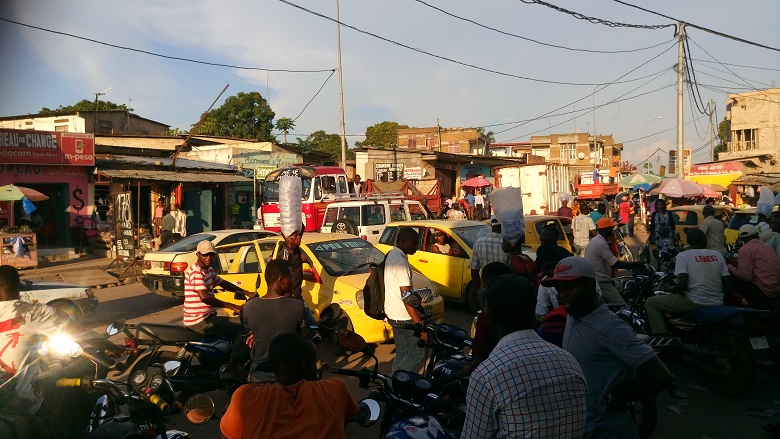
- Africa’s largest city, Kinshasa, is making resilience to climate change a top priority.
- The $500 million Kin Elenda project will improve access to infrastructure and services and socio-economic opportunities for people in Kinshasa.
- The project will directly benefit 2 million people in four Kinshasa neighborhoods by providing household water connections, reducing exposure to flooding, and developing green urban spaces.
Going With The Flow: Water’s Role in Global Migration
Water has always influenced where we live. Today, as climate change accelerates the global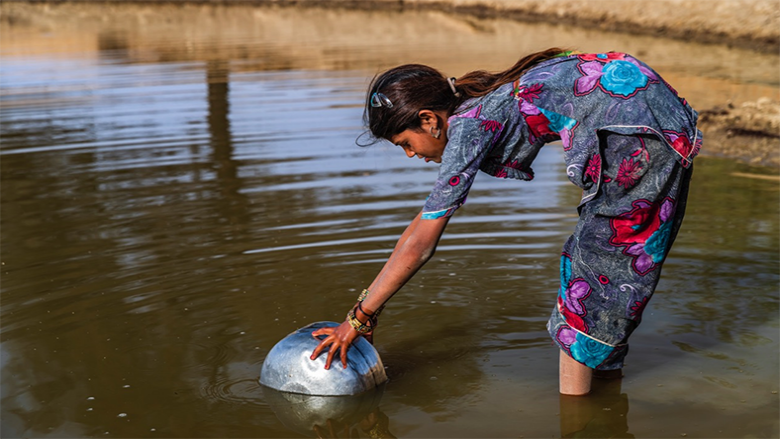 water crisis, the relentless increase in the movement of people around the world requires a considered response to turn crisis into opportunity.
water crisis, the relentless increase in the movement of people around the world requires a considered response to turn crisis into opportunity.What makes us move
There are more than 1 billion migrants in the world today – and water deficits are linked to 10% of the rise in global migration. The World Bank’s just-released flagship publication on water shows that it is a lack of water, rather than too much, that has a greater impact on migration.
Three Paths to Accelerating Digital Access in West and Central Africa
Just before the coronavirus (COVID-19) pandemic struck, just over half of the world’s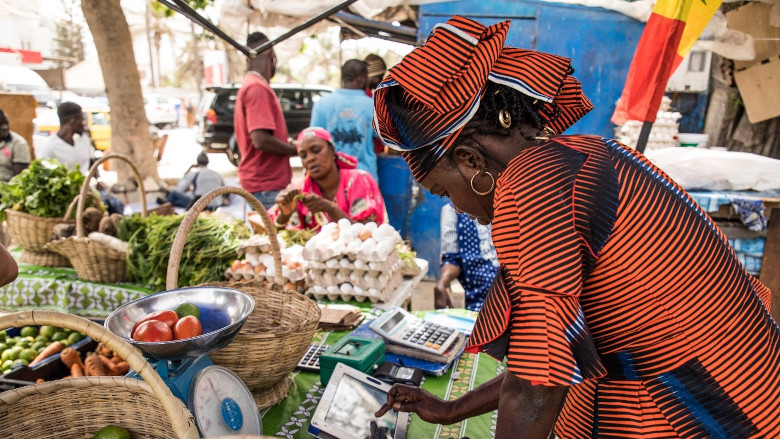 population approximately (51%) had access to the internet compared with just 30% in Western and Central Africa. With the strict lockdown implemented during the pandemic, many services were only available to people across the region through the internet.
What is driving COVID-19 vaccine hesitancy in Sub-Saharan Africa?
As African countries accelerate the deployment of COVID-19 (coronavirus) vaccines, the issue of vaccine hesitancy looms. Globally, there has been a rise in general vaccine hesitancy but especially towards COVID-19 vaccines. In Africa, hesitancy must be viewed in the context of significant vaccine shortage; hesitancy does not explain fully the low vaccination rates in Africa. The slow vaccine rollout on the continent is due to supply constraints, structural issues, and logistical barriers.
 Netherlands for the World Bank
You must be logged in to post a comment.