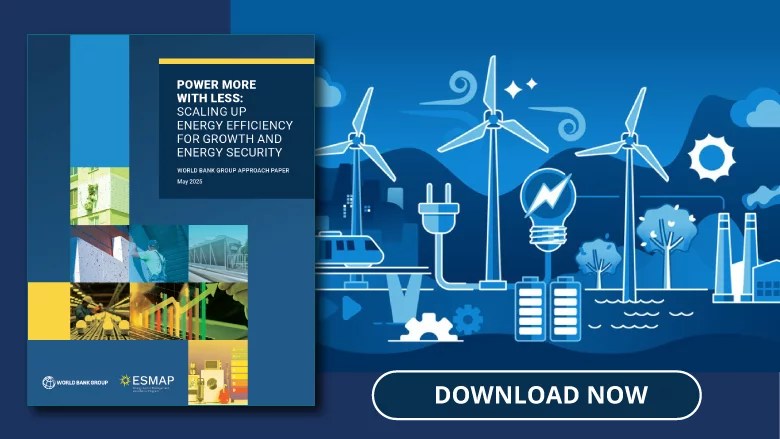
Power More With Less: Scaling Up Energy Efficiency for Growth and Energy Security

Energy efficiency is a transformative, low-cost solution that can fast-track access to affordable and secure energy and boost economic growth. Amid soaring power demand, driven in part by air conditioners, heavy industry, and, increasingly, data centers needed to power artificial intelligence, energy efficiency can help countries avoid overspending on new energy infrastructure, importing fuels, and taking on more debt for their energy sectors.  

Continue reading
Foreign Direct Investment in Retreat: Policies to Turn the Tide

Foreign direct investment (FDI)—an important source of external financing for emerging market and developing economies (EMDEs)—has weakened since the global financial crisis, heightening the challenges of filling vast infrastructure gaps, reducing poverty, creating new jobs, and addressing climate change. This study provides a broad perspective on the evolution of FDI inflows to EMDEs since 2000, including patterns across regions and changes in sectoral composition.

Continue reading

Reinventing Rice as Countries Cultivate Change

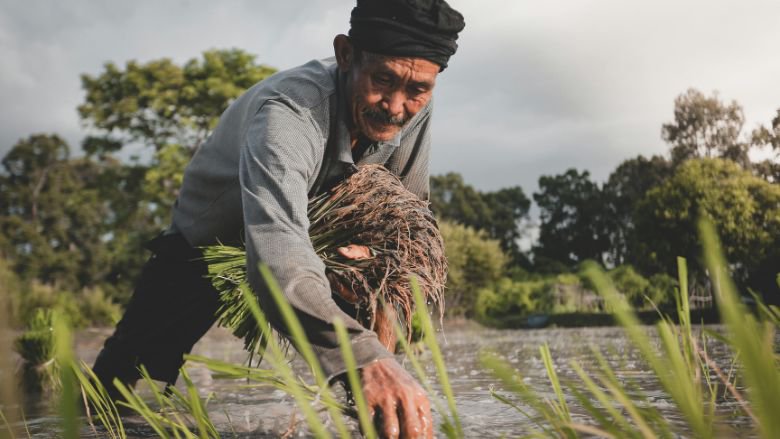
Rice feeds over half of the world’s population and sustains 144 million people—80 percent of them smallholder farmers. With a projected 30 percent surge in demand by 2050, the rice industry will only grow in importance. But the crop’s vulnerability to climate change and slowing productivity gains, its environmental footprint, and its limited nutritional value make it clear that business as usual is no longer an option.

Many rice-producing countries are already taking this challenge seriously—introducing reforms, innovations, and investments to bring the sector into a new era of higher returns, lower emissions, and better nutrition.

Continue reading

Better Jobs: Evidence from the Life in Transition Survey

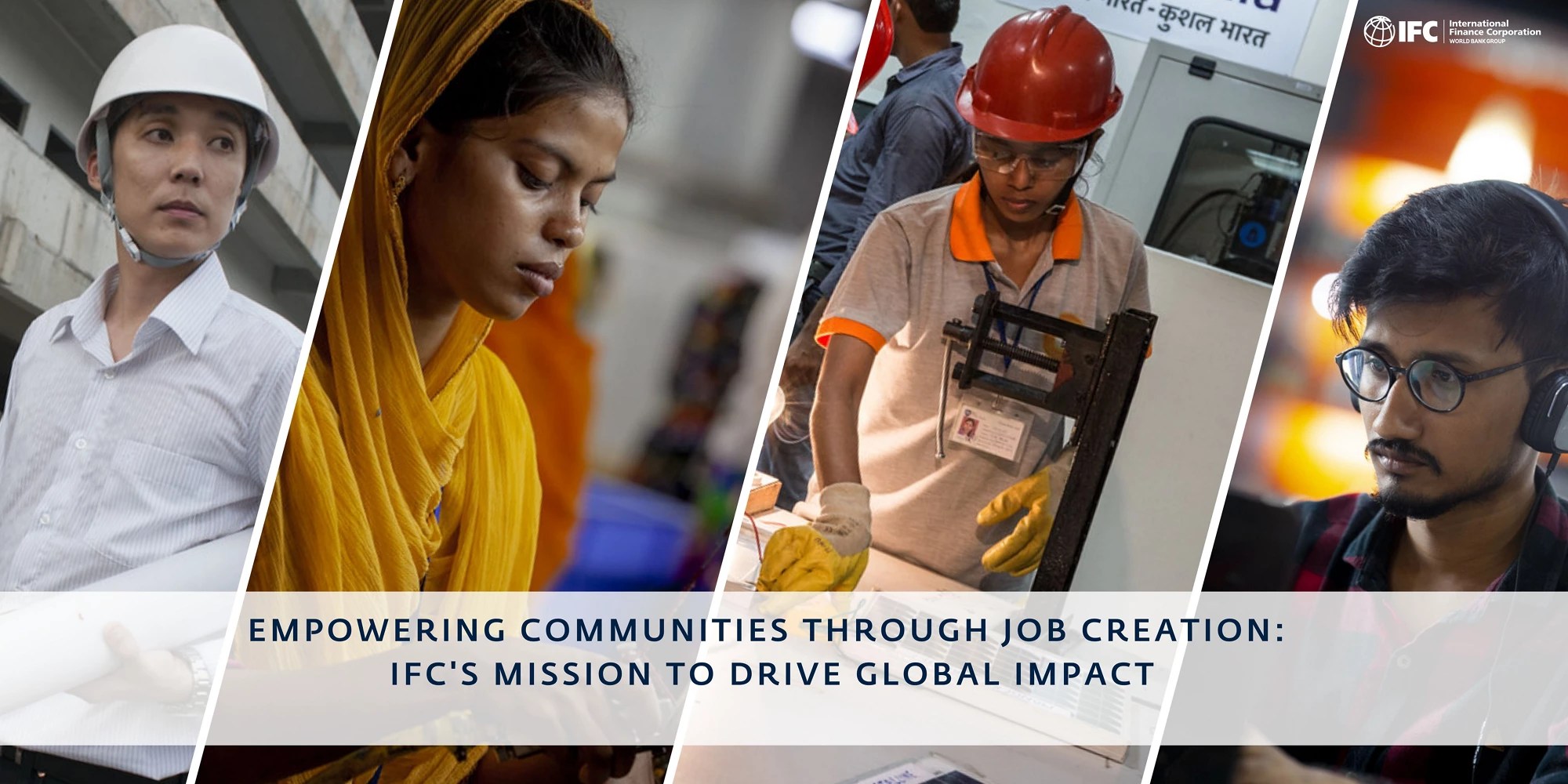
Jobs are the surest path out of poverty, but not all jobs are the same. “Good jobs” provide not only income but also stability, security, and benefits that enhance well-being and strengthen communities.

These distinctions became evident in the latest Life in Transition Survey (LiTS) conducted by the European Bank for Reconstruction and Development (EBRD) in collaboration with the World Bank. More than half (54%) of respondents identified sufficient income as the most important characteristic of a good job, followed by job stability (23%), good working conditions (11%), and benefits (5%). Yet these features are often missing in the widespread informal employment found across Europe and Central Asia (ECA), and the Middle East and North Africa (MENA).

Continue reading

Three barriers to municipal finance—and how to overcome them to create jobs and growth

Cities in low- and middle-income countries are growing fast—but their ability to finance the infrastructure and services needed to support people and jobs is lagging behind.

The consequences are real: without better roads, transit, water, energy, and housing, cities struggle to deliver basic services or attract investment, limiting job creation and economic opportunity. That’s because urban infrastructure lays the foundations for employment, business development, and economic growth.

Continue reading

Global Carbon Pricing Mobilizes Over $100 Billion for Public Budgets

Over one quarter of global greenhouse gas emissions are covered by carbon pricing

WASHINGTON, June 10, 2025—Carbon pricing revenues exceeded $100 billion in 2024, according to a new World Bank report released today. Over half of this revenue generated for public budgets was earmarked for environment, infrastructure, and development projects, representing a slight increase from previous years.

Continue reading

State and Trends of Carbon Pricing 2025

The World Bank’s annual State and Trends of Carbon Pricing report is aimed at providing an up-to-date overview of existing and emerging carbon pricing instruments around the world, including international, national, and subnational initiatives. It focuses on identifying key developments relating to all forms of direct carbon pricing – emissions trading systems, carbon taxes, and carbon crediting mechanisms. This year’s report will be the twelfth (in its current format) – building on many decades of World Bank Group’s work in this space.

Open Knowledge Repository

Beyond the numbers: Key trends reshaping Latin American jobs

Jobs are the main driver of poverty reduction. They help build more resilient and self-sufficient societies, reduce the need for humanitarian aid, and address the root causes of unrest and migration. Jobs were the key to fighting poverty in Latin America during its last period of sustained poverty reduction (2009-2014): strong employment creation and wage growth drove two-thirds of the decrease in poverty rates. After this prosperous timeframe, both poverty and labor market conditions have remained largely stagnant across the region (COVID-19 aside).

Continue reading

Further strengthening how we measure global poverty

For 35 years, the World Bank Group has measured global poverty to track progress toward eradicating what is considered the most severe deprivation of basic human needs—extreme poverty. This goal is at the very heart of our organization’s mission.

Continue reading