
Deadline: 20-Feb-2017 at 11:59:59 PM (Eastern Time – Washington D.C.) 
1. To train the staff and junior agronomists of participating rice mill clients and key farmers/farmer group leaders who will be designated by the clients on how to grow and manage SRP rice production. The junior agronomists and farmer group leaders will then provide trainings to SRP rice production farmers. The SRP project will be initially worked with one rice mill client (with up to 40 key famers/farmer group leaders, 2 junior agronomists) to reach 300 farmers to produce an estimate of 2,000 tons of SRP paddy during the first year, and expand it to cover 1,000 famers by the third year. 2. To ensure the use SRP standards and performance indicators in respective supply chains of participating clients in line with SRP guidelines/protocol developed by the International Rice Research Institute (IRRI). 3. To provide support to the WBG project team to increase demand for SRP rice production, through field days and demonstration plots, as well as through technical advice to identified rice mill clients and interested international buyers. In addition, support further discussions with Ministry of Agriculture Forestry and Fishery (MAFF) on promoting the SRP cultivation practices at the sector level, including supporting the hosting of annual 2017 SRP assembly meeting in Cambodia.
Continue reading
 high water, energy consuming and generate pollution. Therefore, working on greening footwear supply chain is a comprehensive way sector focus to meet sustainable development goals.This assignment is part of IFCs Vietnam Resource Efficiency Program to reduce resource consumption and greenhouse gas intensity consistent with the countrys green growth strategy. The multi-year program is implementing innovative aggregation approaches to scale-up impacts such as engaging with leading brands and their supply chains. IFC is looking for a good consultant to conduct indicated project in Vietnam.
 urement team held a information session webinar. The webinar was used to explain the updates, changes and to answer any questions about corporate procurement at the World Bank. We have attached the presentation and included contact information.


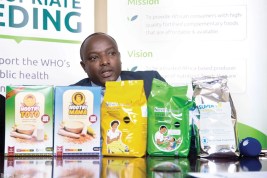 launched yesterday. The Africa Improved Foods – Rwanda, based at Kigali Special Economic Zone Nyandungu, started production of fortified porridge flour yesterday. Workers at Africa Improved Foods factory in Kigali assemble packages for fortified foods. Faustin Niyigena. The $45-million (about Rwf36 billion) factory is expected to produce 45,000 tonnes of fortified food annually, enough to help boost exports and prevent child malnutrition across country. Up to 60 per cent of its output is expected to be exported to regional and global markets.
 lead author of the UFGE-funded study

You must be logged in to post a comment.