
Deadline: 11-Nov-2019 at 11:59:59 PM (Eastern Time – Washington D.C.) 
Develop an informed, regionally effective communications strategy and tactical plan (in writing) by: Researching and mapping which tactics are the most suitable for the market/region/audience. Organizing and facilitating meetings and/or workshops between TFWA Program communications focal points and representatives of various institutions with an interest in the regions trade facilitation agenda to inform its approach. Ensuring the strategy and plan incorporate priorities of the various TFWA Program stakeholders while also ensuring consistency with TFWA Program objectives, targets, and communications guidelines and graphic standards. Seek approval for the above strategy and plan and rework the approach as needed.
Execute the approved tactics to Bank-level standards.
Provide ECOWAS/UEMOA with the tools required to take over and implement the communications plan in the long term.
Produce progress reports at agreed intervals (per each task order).
 Development Economic Data Group (DECDG) launched a new blog series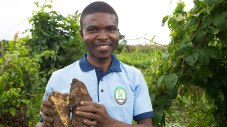
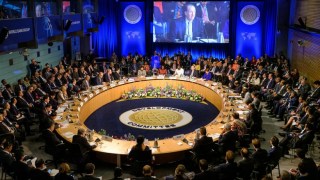 downside risks persisting due to policy uncertainty, trade tensions, financial volatility, and rising debt. The World Bank Group, in cooperation with the International Monetary Fund, can help emerging and low-income countries bolster potential growth, increase their resilience to shocks, boost domestic revenues, and continue building policy buffers. The two organizations have an important role to play in addressing the increase in debt vulnerabilities, and they can help countries meet a range of challenges to the international financial system, including tackling corruption.
 and Romania came to the Netherlands for a World Bank study tour on nature-based solutions organized by the Netherlands Water Partnership. One of the participants was Ivane Vashakmadze, Tourism Expert and World Bank Consultant from Georgia. In his blog, he shares his experiences and his lessons learnt on nature-based solutions.


 broad-based economic growth and inclusive approaches to development. But progress is stalling, and we face an urgent challenge; today, one in 10 people still live in extreme poverty.


You must be logged in to post a comment.