eC2: Support to Reforms and Governance in the Health Sector in Ukraine Consulting services: Independent Anticorruption Capacity Development and Monitoring for the SPIH project

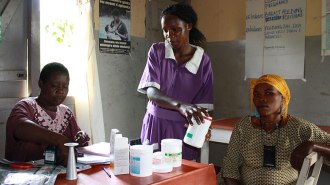
Deadline: 12-May-2017 at 11:59:59 PM (Eastern Time – Washington D.C.) medical-appointment-doctor-healthcare-clinic-health-hospital-medicine[7]
Independent Anticorruption Capacity Development and Monitoring for the SPIH project

The preference will be given to local NGOs or consortiums of NGOs and non-for-profit organizations, but participation from other types of organizations is not limited.

Continue reading

World Bank Group Launches New Program to Support Africa’s Top Digital Entrepreneurs

WASHINGTON, April 25, 2017 — The World Bank Group launched XL Africa, a five-month business acceleration program designed to support the 20 most promising digital start-ups from Sub-Saharan Africa. Start-ups will receive mentoring from global and local experts, learn through a tailor-made curriculum, increase their regional visibility, and get access to potential corporate partners and investors. With support from prominent African investment groups, XL Africa will help the 20 selected start-ups attract early stage capital between $250,000 and $1.5 million.

Continue reading

eC2:Disaster Risk Reduction Practice Research and Capacity Building Support to SADC

Deadline: 16-May-2017 at 11:59:59 PM (Eastern Time – Washington D.C.) vn-communitybased-disasterrisk-780x439

The SADC Disaster Risk Reduction Strategic Plan lays out the following key activities: To strengthen governance, legal and institutional framework at all levels of DRR in the region. Facilitate the identification, assessment and monitoring of disaster risks and support the enhancement of early warning systems at all levels. Promote the usage and management of information and knowledge, innovation and education to build a culture of safety and resilience at all levels in the SADC region; Ensure that DRR becomes a national and local priority with a strong institutional basis for implementation; and The integration of preparedness and emergency response into national and regional DRR interventions.

Continue reading

eC2: 2017 GAFSP Program Evaluation

Deadline:  16-May-2017 at 11:59:59 PM (Eastern Time – Washington D.C.) TF - GAFSP

The principal purpose of the evaluation is to assess the extent to which GAFSP is achieving its key objective of improving the income and food security of poor people in developing countries. The evaluation should look into the overall impact of the Program, and the impacts of the Public Sector and Private Sector Windows respectively, including the Missing Middle Initiative, addressing overall operational and development effectiveness. the Programs performance should be evaluated against criteria including relevance, efficiency, impact, sustainability, additionality, and operational effectiveness/accountability of the Program and the related indicators.

Continue reading

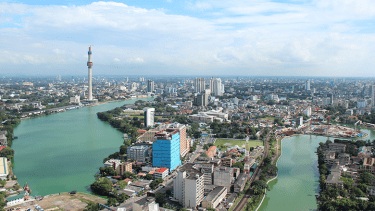
Three Roles Cities Play in Building a Sustainable Future

STORY HIGHLIGHTS
  • The global productivity slowdown, increasing climate and disaster risks, among other factors, have brought unprecedented challenges to poverty reduction and economic growth.
  • Amid rising uncertainties, cities can provide renewed sources of growth to help improve livelihoods, drive growth, and build a sustainable future for all.
  • The World Bank is working with countries worldwide to ensure that cities and metropolitan regions excel in the three critical roles they play—matchmakers, drivers, and anchors—for people and businesses alike.

STUDY FOR THE ESTABLISHMENT OF THE KLOKOT PROTECTION ZONES PROJECT

Deadline:  18-May-2017 at 11:59:59 PM (Eastern Time – Washington D.C.) water

The objective of the Project is to support the development of measures for improved protection of the cross-border karstic aquifer of the Klokot water source, which is located in bordering area of the Bosnia and Herzegovina and Republic of Croatia.

Continue reading

WBG Course: From Climate Science to Action

The World Bank Group | Coursera

About this course: Each part of the world faces specific vulnerabilities to climate change and has different opportunities to mitigate the effects and build resilience in the 21st century. With the ratification of the Paris Agreement, many countries have acceded to act in combatting climate change. Indeed, without climate action, decades of sustainable development is at risk, thus making this a ‘make or break’ point in time. Showcasing the most recent scientific evidence, explaining the different regional impacts and divulging climate action strategies, along with interactive tools such as a Carbon Footprint Tracker and (I) NDC Platform, this MOOC provides some opportunities, where you can take action on climate change.

Start date : 8 May – Register

Continue reading

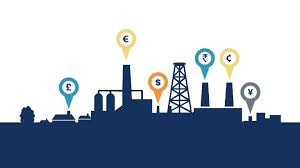
Industrial Commodity Prices to Rise in 2017: World Bank

Press release: Oil prices to average $55 per barrel in 2017, rise next year

WASHINGTON, April 26, 2017— The World Bank is forecasting higher prices for World Bank buildingindustrial commodities, principally energy and metals, in 2017 and next year.

The World Bank in its April Commodity Markets Outlook is holding steady its crude oil price forecast for this year at $55 per barrel, increasing to an average of $60 per barrel in 2018. Rising oil prices, supported by production cutbacks by Organization of the Petroleum Exporting Countries (OPEC) and non-OPEC states, will allow markets to gradually rebalance. These oil price forecasts are subject to downside risks should the rebound in the U.S. shale oil industry be greater than expected.

Continue reading

eC2 : Green Growth Investment Fund Africa (GGIFA) Project Pipeline Analysis

Deadline:  15-May-2017 at 11:59:59 PM (Eastern Time – Washington D.C.)GFF

The consultants will undertake the following activities at the Jhelum-Poonch Basin-wide level. Consultant proposals must indicate to what extent the data collection and analysis will be done and the specific output for each activity. On-the-job learning among local level authorities is essential in the areas of collecting and managing scientific data. Broader multi-stakeholder engagement is also essential including overall involvement of local authorities, NGOs, the Hydropower Developers Working Group, Ministry of Water and Power, PPIB and NEPRA, among others.

Continue reading