
Deadline: 07-Feb-2018 at 11:59:59 PM (Eastern Time – Washington D.C.) 
Objective: The overall objective of this project is to promote enhanced transport connectivity in the Eastern Partnership countries (Armenia, Azerbaijan, Belarus, Georgia, Moldova and Ukraine) that delivers improved outcomes on energy efficiency and sustainability. With this overall objective, this assignment will include:
– Identifying relevant green transport policies and projects for the EaP region.
– develop transport connectivity/accessibility indicators for gauging the level of improvement that could be achieved by corridor improvement projects
– developing a user-friendly connectivity assessment tool
 Deadline: 17-Jan-2018 at 11:59:59 PM (Eastern Time – Washington D.C.)
 Invented over a century ago for exploring mountainous regions, aerial cable cars have recently made an appearance in several big cities, where they are being used as an alternative to conventional urban transport modes.
 Deadline:
 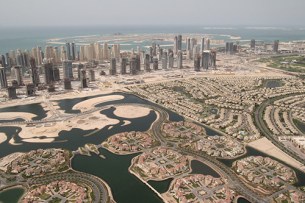 Those of you who have visited Dubai in recent years may relate to what I am going to say: Dubai is in the middle of the desert, and its land, not that long ago, was really worth nothing. Now it is one of the most vibrant international cities in the world. All this happened in a relatively short time span.
 Pushpa drops her youngest son off at the day care centre at St. Theresa’s Church in Thimbirigasaya every day. The 37-year-old then heads to work as a maid. There are days when this routine becomes impossible. If her child is feverish, for instance, the day care won’t accept him because he may infect the other children.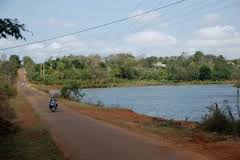
 STORY HIGHLIGHTS
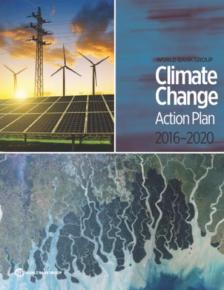 Climate change poses an enormous challenge to development. By 2050, the world will have to feed 9 billion people, extend housing and services to 2 billion new urban residents, and provide universal access to affordable energy, and do so while bringing down global greenhouse gas emissions to a level that make a sustainable future possible. At the same time, floods, droughts, sea-level rise, threats to water and food security and the frequency of natural disasters will intensify, threatening to push 100 million more people into poverty in the next 15 years alone.

You must be logged in to post a comment.