
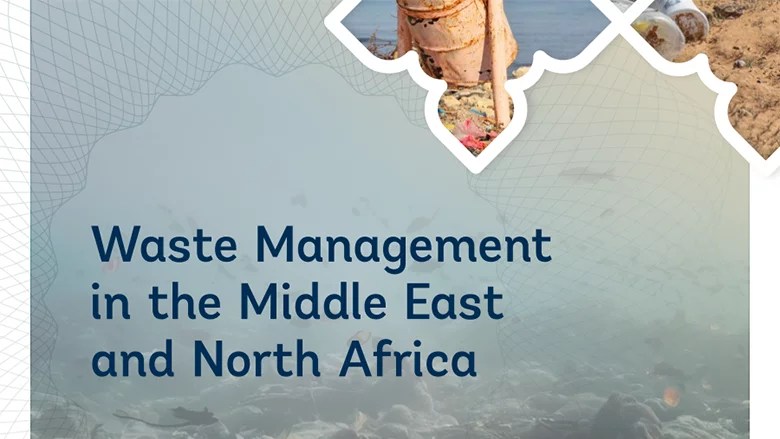
The World Bank’s flagship report, “Waste Management in the Middle East and North Africa,” reveals that the region currently generates over 155 million tons of waste each year, a figure projected to nearly double to 294 million tons by 2050. Poor waste management costs the region around US$7.2 billion each year in environmental damage. Food waste alone causes US$60 billion in losses, in a region where one in six people faces severe food insecurity. The report analyzes the challenges and opportunities in the waste sector across the region. Through new data from 19 countries and 26 cities, the report recommends pathways to advance waste management systems, tailored to high-income, middle-income, and fragile/conflict-affected countries. It calls for investment to modernize waste systems, reduce food loss and promote measures in line with the principles of circular economy. The report highlights that up to 83 percent of the waste collected in MENA could be reused, recycled, or recovered for energy. Transitioning to a circular economy could also create better jobs, particularly in waste services and recycling, while turning today’s waste crisis into a driver of sustainable growth. The report analyzes the challenges and opportunities in the waste sector across the region. Through new data from 19 countries and 26 cities, the report recommends pathways to advance waste management systems, tailored to high-income, middle-income, and fragile/conflict-affected countries. It calls for investment to modernize waste systems, reduce food loss and promote measures in line with the principles of circular economy. The report highlights that up to 83 percent of the waste collected in MENA could be reused, recycled, or recovered for energy. Transitioning to a circular economy could also create better jobs, particularly in waste services and recycling, while turning today’s waste crisis into a driver of sustainable growth.
Continue reading
 Management (SWM)services, policies and systems in Kerala to inform the design of the proposed Kerala Urban Service Delivery Project (KUSDP). The consultant will be required to undertake a strategic assessment of policy, institutional, governance, technical/service delivery and financial aspects and provide recommendations on the potential solutions/models to fill the existing gaps to inform the project design of KUSDP.
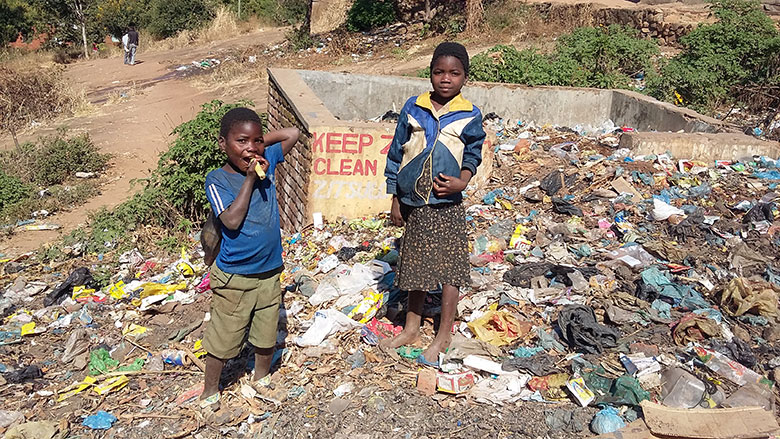 Malawi, a small country in Africa, has a population of over 18 million. According to World Bank estimates, Malawi had 52.2% of the total population between 15 and 64 years as of the beginning of 2017. However, Malawi has a high level of unemployment among the productive population which is largely composed of young people.
 Netherlands for the World Bank
You must be logged in to post a comment.