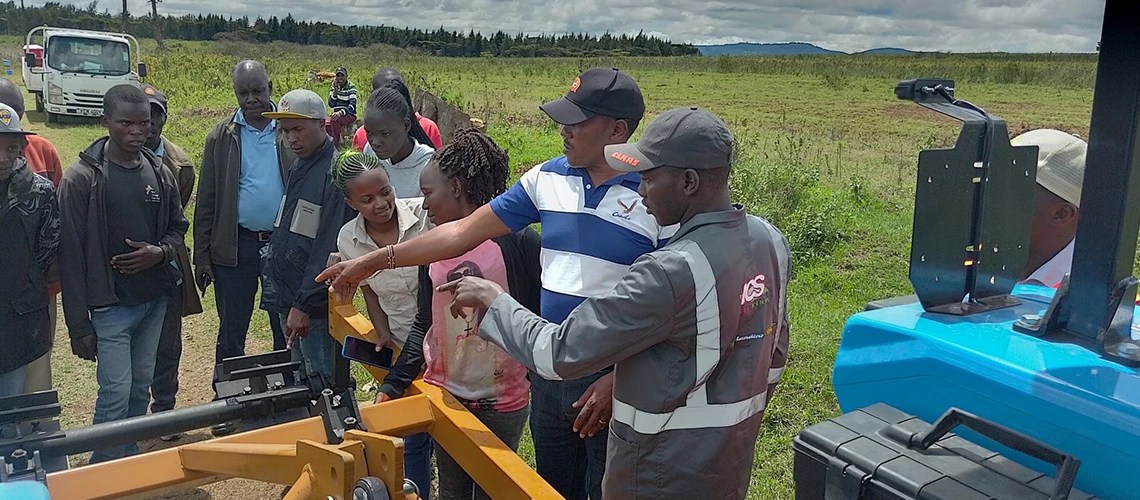
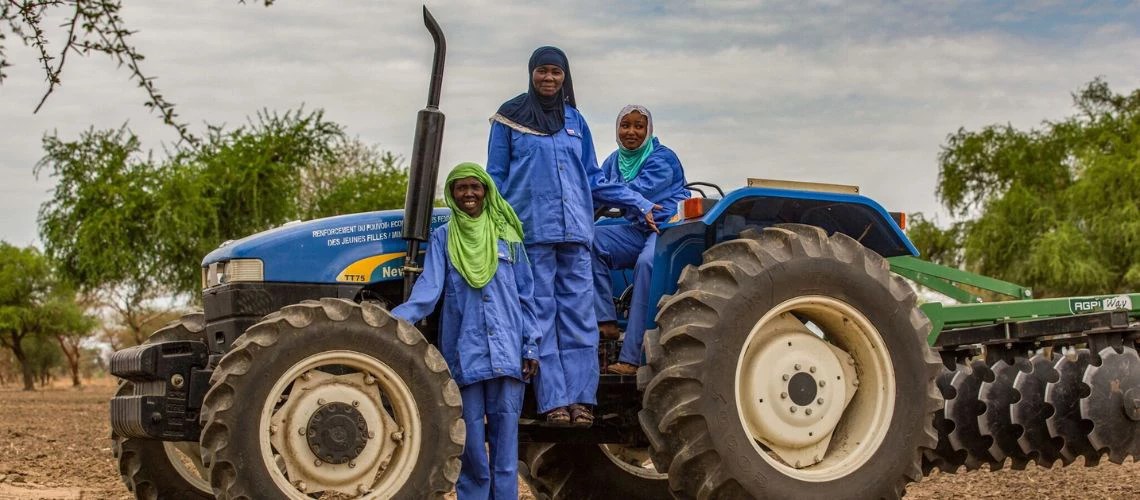
Despite increasing food production over the past three decades, 58% of Africans remain food insecure. Transport is an often-overlooked contributor to this challenge. Poor transport connectivity, failures at critical ports and border crossings, and high trade costs create long food supply chains that fail to reliably get staple products to people.
The idea behind debt-for-development swaps is straightforward: A country exchanges its expensive debt for cheaper debt, often supported by a credit enhancement like a guarantee, and then redirects the savings into development spending.
Where villagers once struggled with basic tools and meager earnings, they now use modern electric machinery to create valuable finished products.
From increased rice production and reduced transportation costs, to booming sunflower oil businesses, access to reliable power is boosting local economies.
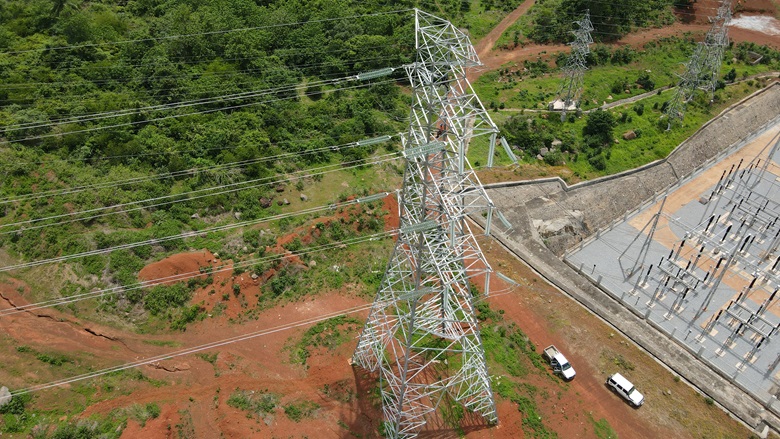
Tanzania is bringing its vision of universal electrification to reality with support from a $550 million International Development Association investment.
The number five is often seen as a symbol of balance, progress, and transformation—much like the steady progress the World Bank Group has made since it set up an Outcomes Department five months ago. This new department seeks to elevate the way we measure our impact, strengthening our accountability for results. Just as five fingers help us build and create and the five senses allow us to experience the world around us, the department has worked to lay a strong foundation for the future.
This event tackles one of the defining and complex challenges of our time: how to meet the stable employment aspirations of the developing world’s fast-growing youth population.
Through powerful stories of young entrepreneurs, dialogue with private sector executives, and insights from World Bank Group leadership, the session will explore how to energize the creation of more and better jobs. From innovation to investment, skills to sectors, this event will be a moment to catalyze collective action for a future where every young person has a pathway to decent work.
The event will take place on April 22 at the World Bank headquarters in Washington, D.C. and will be broadcast on World Bank Live with interpretation in Arabic, French and Spanish.
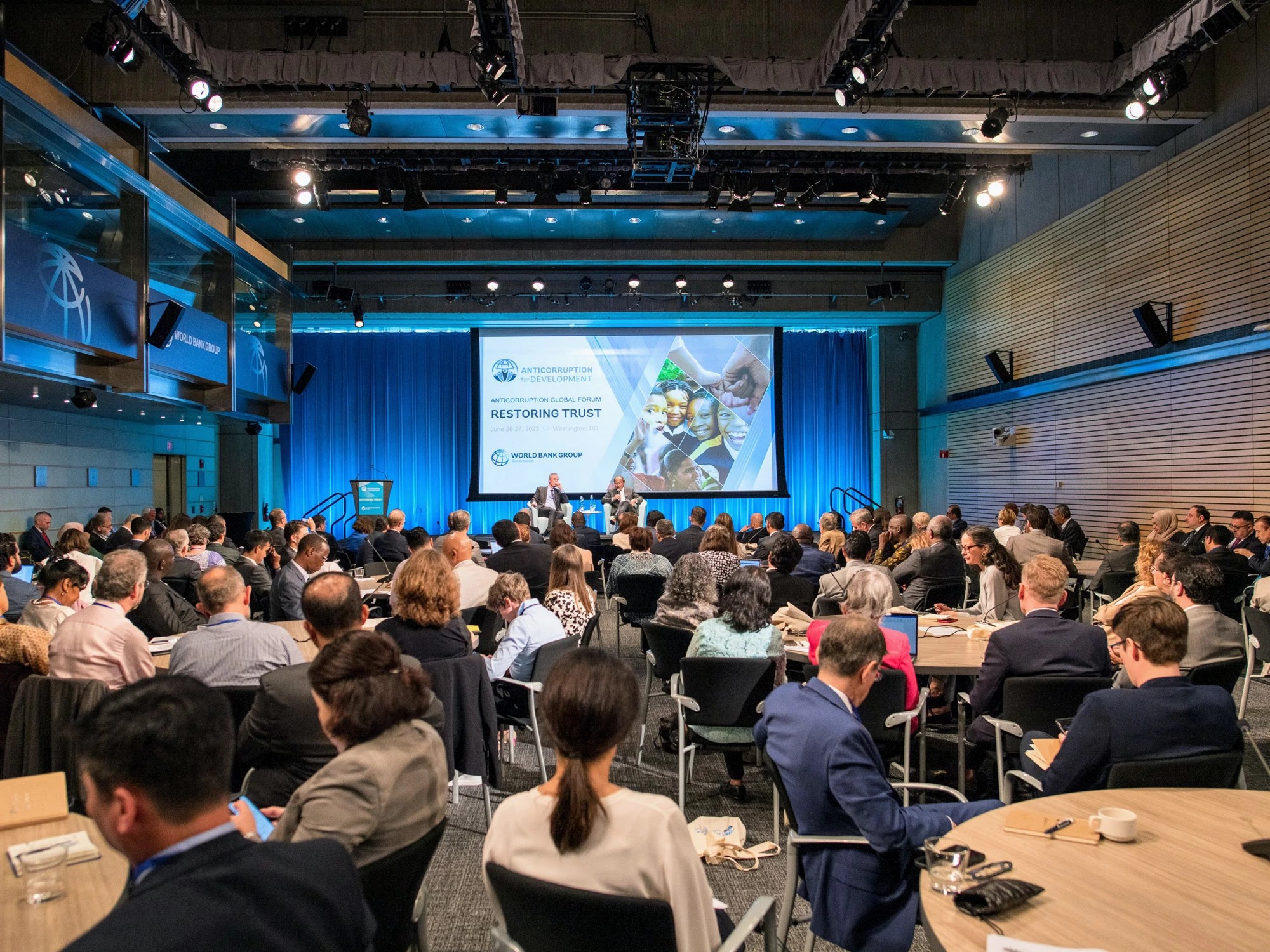
Corruption remains a persistent global challenge, with its impacts evolving alongside economic pressure and shifting governance landscape. While some countries are making progress, others are witnessing long-standing achievements come under scrutiny. In this context, there is a growing need to adapt strategies to new realities in our interconnected world. Collective action builds trust, fosters collaboration and innovation, and sustains momentum for achieving successful outcomes.
This event tackles one of the defining and complex challenges of our time: how to meet the stable employment aspirations of the developing world’s fast-growing youth population.
Through powerful stories of young entrepreneurs, dialogue with private sector executives, and insights from World Bank Group leadership, the session will explore how to energize the creation of more and better jobs. From innovation to investment, skills to sectors, this event will be a moment to catalyze collective action for a future where every young person has a pathway to decent work.
The event will take place on April 22 at the World Bank headquarters in Washington, D.C. and will be broadcast on World Bank Live with interpretation in Arabic, French and Spanish.
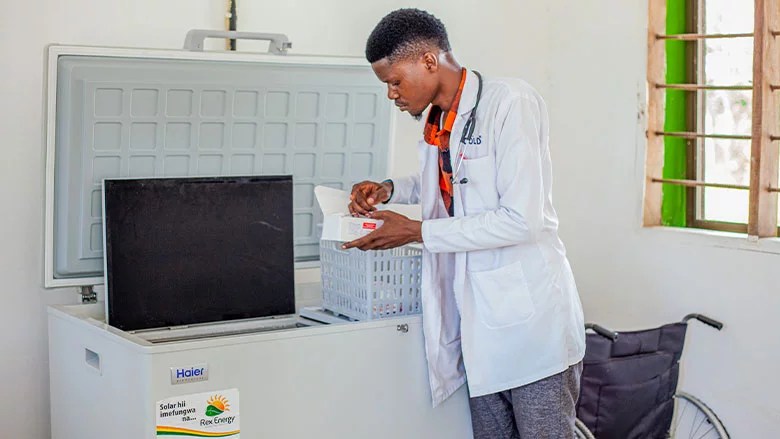
Access to reliable, affordable, and sustainable energy is key to unlocking Africa’s socio-economic transformation. This is the focus of Mission 300, an ambitious effort between the World Bank and the African Development Bank, amongst other partners, to connect 300 million people to electricity in sub-Saharan Africa by 2030. With electricity comes new opportunities for jobs, trade, and investment, as well as better schools, hospitals, and other essential services. Lives change. In 2020, only 52 percent of the population in Western and Central Africa had access to electricity services. Reaching those without access, including over 220 million people in Western Africa, requires overcoming challenges related to geography, high electricity costs, weak institutional capacity, and political instability.


 Netherlands for the World Bank
You must be logged in to post a comment.