
Beer is 95% water (the rest is alcohol and gas). In Lubango, a city on a high plateau in Southern Angola, the makers of N’Gola beer depend heavily on a water source of exceptional quality. Rainwater seeps into the vertical crevasses of Tundavala, breathtaking rock formations 2,200 meters above sea level. It collects in the rock then rushes downhill to Lubango, producing at times 200 cubic meters of water per hour. The source is so special it is mentioned on the N’Gola beer label and stylized as a golden waterfall with a crown.
Tag Archives: RVO
How solar can empower African youth
This week, as we gather in Nairobi for the Africa Climate Summit which brings together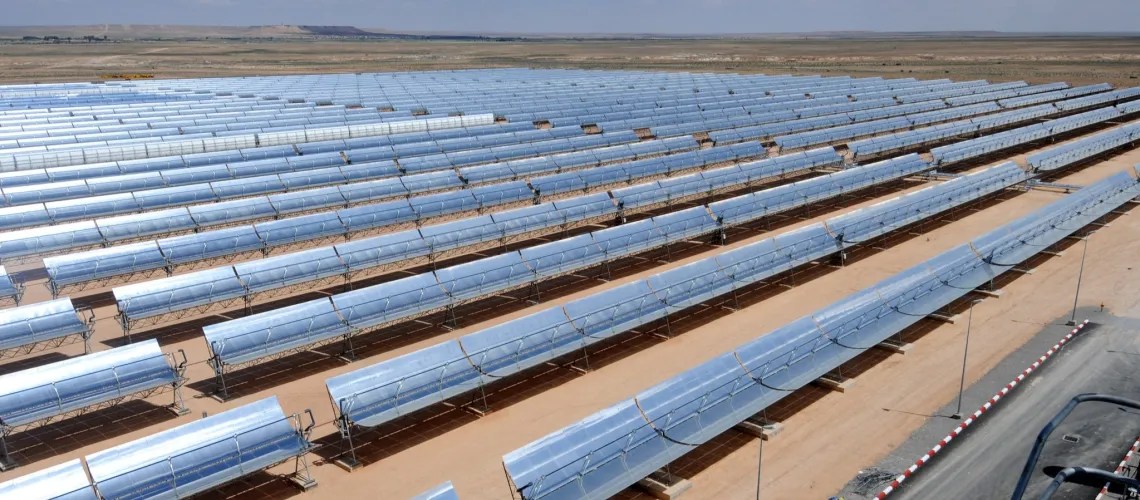 policymakers from across the continent to talk about the climate challenges faced by African countries, I am encouraged by some of the stories of young Africans whose lives are being transformed by solar power – and the potential it has for the continent.
The Promise and Peril of Online Gig Work in Developing Countries
Image

Good, inclusive jobs provide the surest path out of extreme poverty, while boosting shared prosperity for all. But as new technologies transform our global economies, we must expand our way of thinking about job opportunities in the developing world.
The online gig economy, in which digital platforms match workers to tasks posted by clients already accounts for up to 12 percent of the global labor market. In developing countries gig platforms are opening unique avenues of employment, with significant potential for young people, women, and people in remote areas that may have been left out of more traditional job markets.
Continue readingWorld Bank Statement on Morocco Earthquake
WASHINGTON, September 9, 2023―The World Bank today issued the following statement in the wake of the Morocco earthquakes:
“Our hearts go out to the people of Morocco, who are suffering the effects of devastating earthquakes that have caused a tragic loss of life, injuries, and damages in the areas south of Marrakech. We have relayed our profoundest condolences to the Kingdom at the highest levels and offered our full support to the country in the wake of this catastrophe. Our sole focus at this stage is on the Moroccan people and the authorities who are dealing with this tragedy.”
Contacts:
In Washington: Ashraf Al-Saeed, +1-202-473-1187, aalsaeed@worldbank.org
In Rabat: Meryam Benjelloun, +212659597046, mbenjelloun@worldbankgroup.org
Investing in Nature for People and a Livable Planet: Armenia, Colombia, Ghana, and Tonga in VR 360°
Tackling Food Insecurity
Stories of resilience from Madagascar, the Central African Republic, and Egypt
We couldn’t even figure out how to face the next day or find food for our children.”
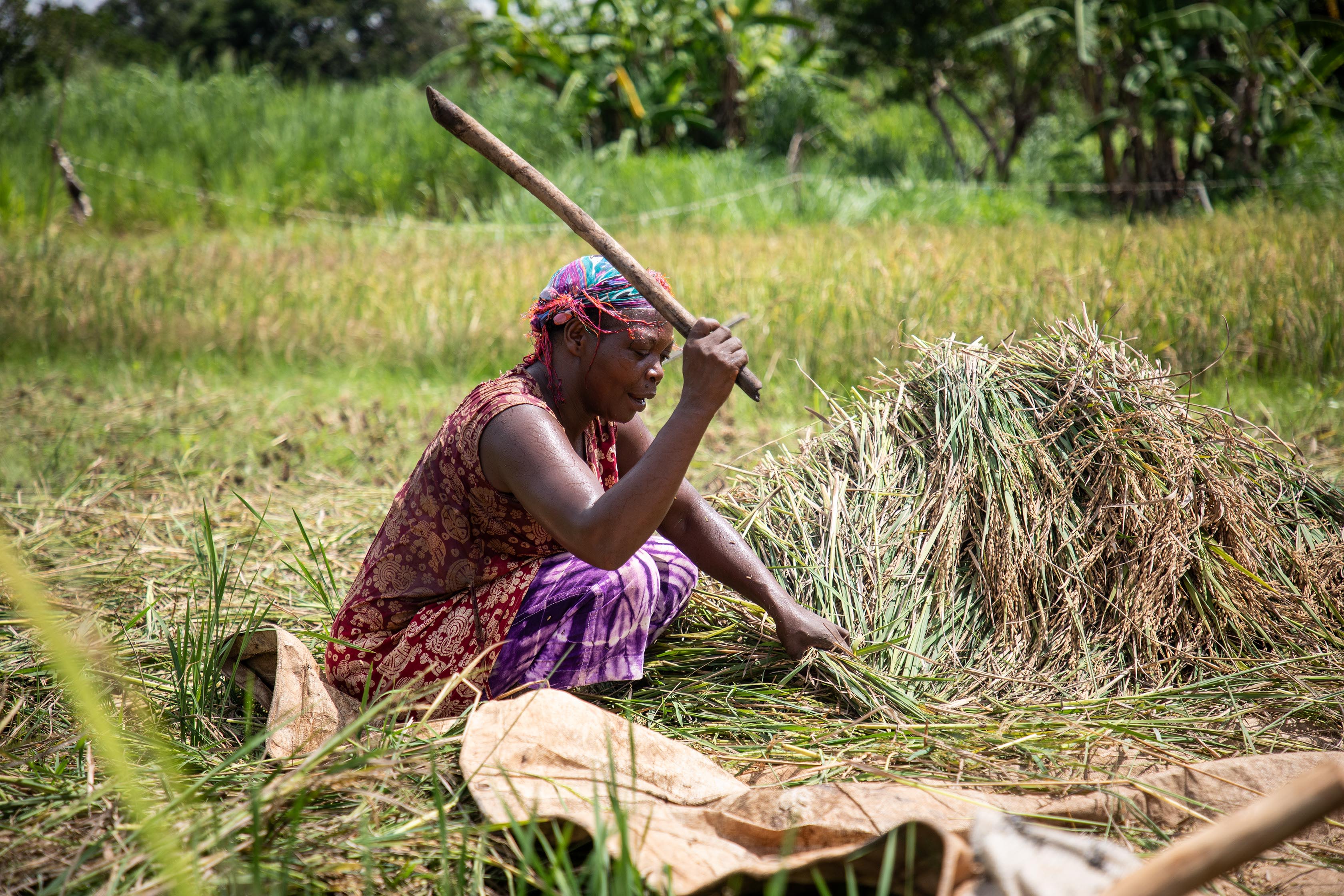
Volatsarasoa is a mother of four who lives in the village of Malangy, near the southern tip of Madagascar in one of the poorest regions in the country. With a fifth child on the way, she spends a lot of time thinking about a prosperous future for her children by learning from the experiences of her recent past.
When the El Niño phenomenon hit during the 2015-16 rainy season, Madagascar recieved just 50-80% of its normal precipitation – triggering a drought and crop yields that were 90% below normal.
“Me, my husband, and my children suffered a lot because there was no food, and we were starving. We barely ate, most of the time just a cup of rice for all of us, and only in the evening. It was very hard, and we couldn’t even figure out how to face the next day or find food for our children with everything going on I was worried. I was panicked.”
What Is Food Security and How Is the World Bank Supporting the Most Vulnerable Households?
Building a better food system
More people than ever before—828 million, according to the most recent estimates—do not know where their next meal will come from. Yet we are producing more food than ever, with cereal grain production at an all-time high. How did we get so far off track in ending hunger and how do we get back on course?
What do youth need from us right now?
Around the world, nearly 1 in 5 youth ages 15-24 are unemployed, or part of the labor force but without a job. Among children ages 10-19, 1 in 7 experience a mental disorder. Nearly 6 in 10 ten-year-old children in low- and middle-income countries cannot read and comprehend a simple paragraph. These numbers do not bode well for future innovation and economic growth. By 2050, the people who are under 25 today will compose more than 90 percent of the prime-age workforce.
Infrastructure That Helps Half a Million People Access Clean, Piped Water in Maputo, Mozambique


You must be logged in to post a comment.