
WASHINGTON, Oct. 4, 2024 — The Heads of the International Monetary Fund (IMF), the World Bank Group (WBG), and the World Health Organization (WHO) have agreed on broad principles for cooperation on pandemic preparedness. This cooperation will allow a scaling up of support to countries to prevent, detect and respond to public health threats through the IMF’s Resilience and Sustainability Trust (RST), the WBG’s financial and technical support, and WHO’s technical expertise and in-country capabilities. The RST allows eligible member countries to access long-term financing at low interest rates to help implement reforms that address structural challenges to the stability of the economy, such as those posed by pandemics, and to enhance countries’ health systems resilience.
Tag Archives: Pandemic
Preparing now for the next health emergencies
While it is tempting to put the COVID-19 pandemic in the rear-view mirror, now is the time to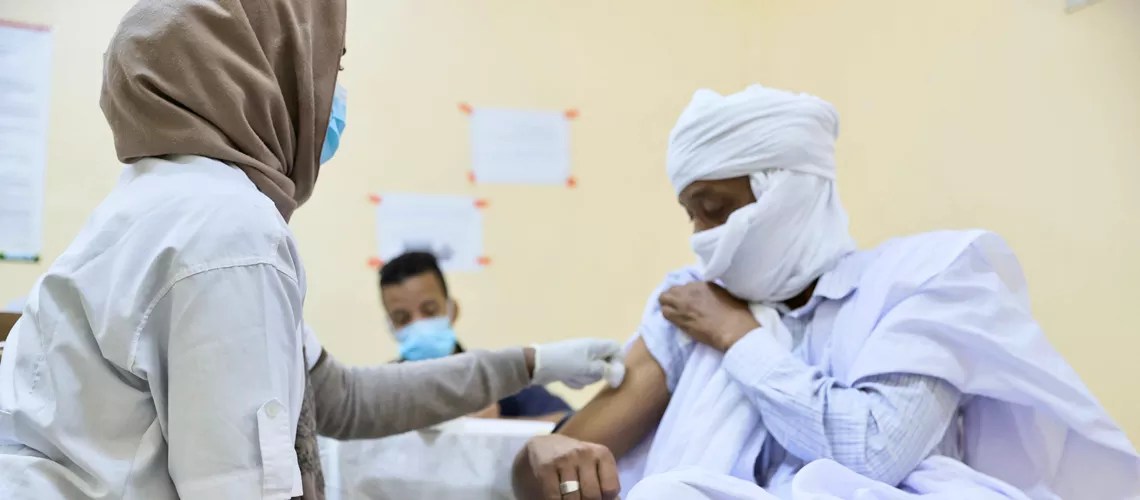 prepare for future public-health crises. Governments should focus on boosting their health systems’ resilience, which includes strengthening prevention and response capacities, improving readiness, and strengthening primary care.
Key drivers of COVID-19 vaccine hesitancy in developing countries
As the world is entering the third year of the global COVID-19 pandemic, it is increasingly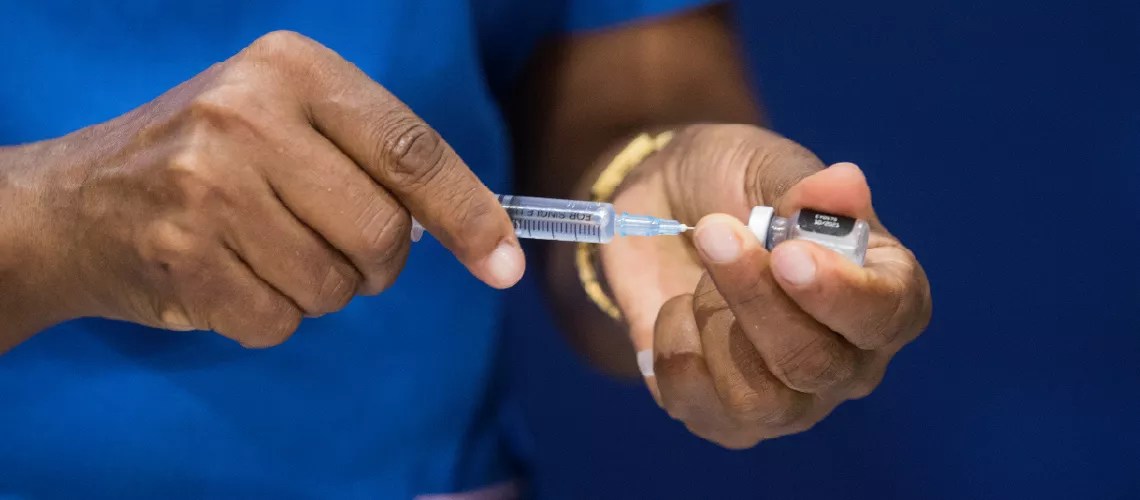 important to understand why many people are still hesitant to get the COVID-19 vaccine even when it is available . However, little is known about vaccine hesitancy in developing countries, as most studies have focused on high-income countries and the few that have analyzed developing countries were either not comparable across countries or not nationally representative.
One Health Approach Can Prevent the Next Pandemic
The number of emerging infectious disease (EID) outbreaks has grown to several hundred per 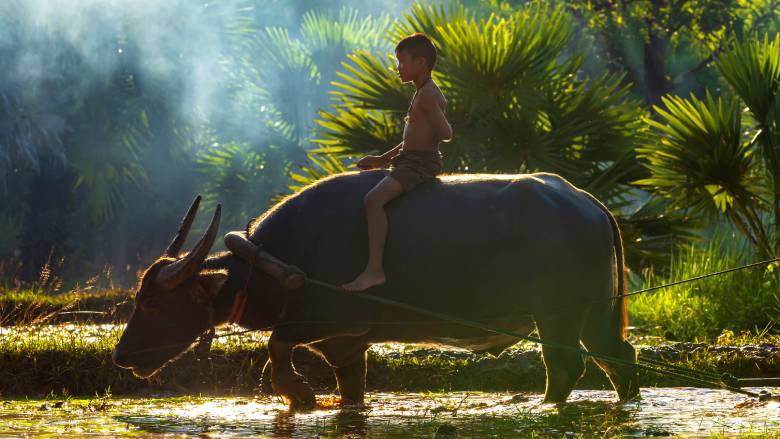 year since 2000. Recent diseases such as SARS, avian influenza, Ebola – and the enormous health, economic, and societal impacts of COVID-19 – have not yet solicited global unity on the importance of preventing pandemics rather than responding to outbreaks as they emerge. What will it take for world leaders, countries, organizations, and communities to understand that prevention is better than cure? The World Bank’s latest flagship report, “Putting Pandemics Behind Us: Investing in One Health to Reduce Risks of Emerging Infectious Diseases,” is a clarion call for the universal adoption of an integrated approach to sustainably balance and optimize the health of people, animals, and ecosystems.
year since 2000. Recent diseases such as SARS, avian influenza, Ebola – and the enormous health, economic, and societal impacts of COVID-19 – have not yet solicited global unity on the importance of preventing pandemics rather than responding to outbreaks as they emerge. What will it take for world leaders, countries, organizations, and communities to understand that prevention is better than cure? The World Bank’s latest flagship report, “Putting Pandemics Behind Us: Investing in One Health to Reduce Risks of Emerging Infectious Diseases,” is a clarion call for the universal adoption of an integrated approach to sustainably balance and optimize the health of people, animals, and ecosystems.Women, Business and the Law 2022
Women, Business and the Law 2022 is the eighth in a series of annual studies measuring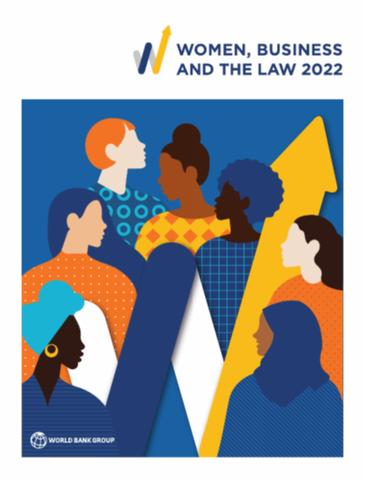 the laws and regulations that affect women’s economic opportunity in 190 economies. The project presents eight indicators structured around women’s interactions with the law as they move through their careers: Mobility, Workplace, Pay, Marriage, Parenthood, Entrepreneurship, Assets, and Pension. Amid a global pandemic that threatens progress toward gender equality, ‘Women, Business and the Law 2022’ identifies barriers to women’s economic participation and encourages reform of discriminatory laws. This year, the study also includes pilot research related to childcare and implementation of the law. By examining the economic decisions women make throughout their working lives, as well as the pace of reform over the past 50 years, Women, Business and the Law makes an important contribution to research and policy discussions about the state of women’s economic empowerment. The indicators build evidence of the critical relationship between legal gender equality and women’s employment and entrepreneurship. Data in ‘Women, Business and the Law 2022’ are current as of October 1, 2021.
Helping Countries Cope with Multiple Crises
This year’s Spring Meetings of the World Bank Group and International Monetary Fund took place at a time of overlapping global crises. The war in Ukraine has compounded concerns about inflation, COVID-19, climate change, and debt, with many other countries also facing fragility and conflict.
The chair’s statement issued on Friday by the Development Committee, a ministerial-level forum that represents 189 member countries of the two organizations, noted that the impacts will be felt most in low- and middle-income countries, especially by their most vulnerable people, including women and children. The statement added that economic recovery is at risk amid geopolitical tensions, with investment, trade, and growth affected, even as countries face further risks from the pandemic and uneven deployment of vaccines.
A just transition away from coal: Vital for people and planet
Helping countries transition to clean energy systems while meeting growing energy demand is  one of the greatest development challenges of our time.
Growth in a Time of Crisis: What’s Ahead for Developing Economies
The opening public event of this year’s Annual Meetings – Growth in a Time of Crisis: What’s Next for Developing Economies – delved into questions like these:
- How can countries build back to a sustainable, resilient, and inclusive economic recovery while also investing in their people?
- What are the fundamental barriers to sustainable and inclusive growth in low and middle-income countries and fragile and conflict-affected settings, and what does the future of growth look like?
- What types of policies are important to support inclusive growth for vulnerable populations? How can digital technology help ensure inclusion?
- What’s needed to support private investment, especially small and medium enterprises, and create jobs in developing countries?
- What role can central banks play to help spur job creation and investment?
Making Climate Action Count: Turning Ambition Into Reality
Two weeks ahead of a pivotal meeting on climate change (COP26), the Annual Meetings event Making Climate Action Count: Turning Ambition Into Reality brought together global leaders, prominent climate advocates and climate champions from several countries to discuss what the world needs to do to meet the goals of the Paris Agreement. Followed on social media with the hashtag #Voices4Climate, the event also took the audience on a virtual journey around the globe, showing how countries from Vietnam to Brazil are working towards a more sustainable and resilient future.
Trade to the Rescue: Unleashing Global Trade to Support Economic Growth
Expanding trade flows can be part of the solutions to global challenges, when accompanied by the right policies. World Bank President David Malpass and WTO Director General Ngozi Onkonjo-Iweala discussed how global trade has limited the extend of the current global recession and laid out the practical steps countries could take to spread the benefits of trade more widely. Trade costs, on average, are equal to a 114 percent tariff on imported goods in developing countries. Much of that burden on consumers is the result of inefficient border procedures and poor transportation infrastructure. Trade facilitation reforms and investment in infrastructure could give a big boost to trade within regions. Betty Maina, Kenya’s Minister of Industrialization, Trade and Enterprise Development, spoke of how trade liberalization is a central part of her country’s aspirations for incomes and development.
“Trade can be a powerful catalyst for growth and social economic development and poverty reduction, particularly if we implement it with the poor in mind,” Maina said.
Leaders from the public and private sectors discussed the importance of investments in logistics and expanding trade finance that could strengthen the contribution of trade to economic recovery, and noted the ways that trade could help developing countries mitigate and adapt to climate change.
 Netherlands for the World Bank
You must be logged in to post a comment.