
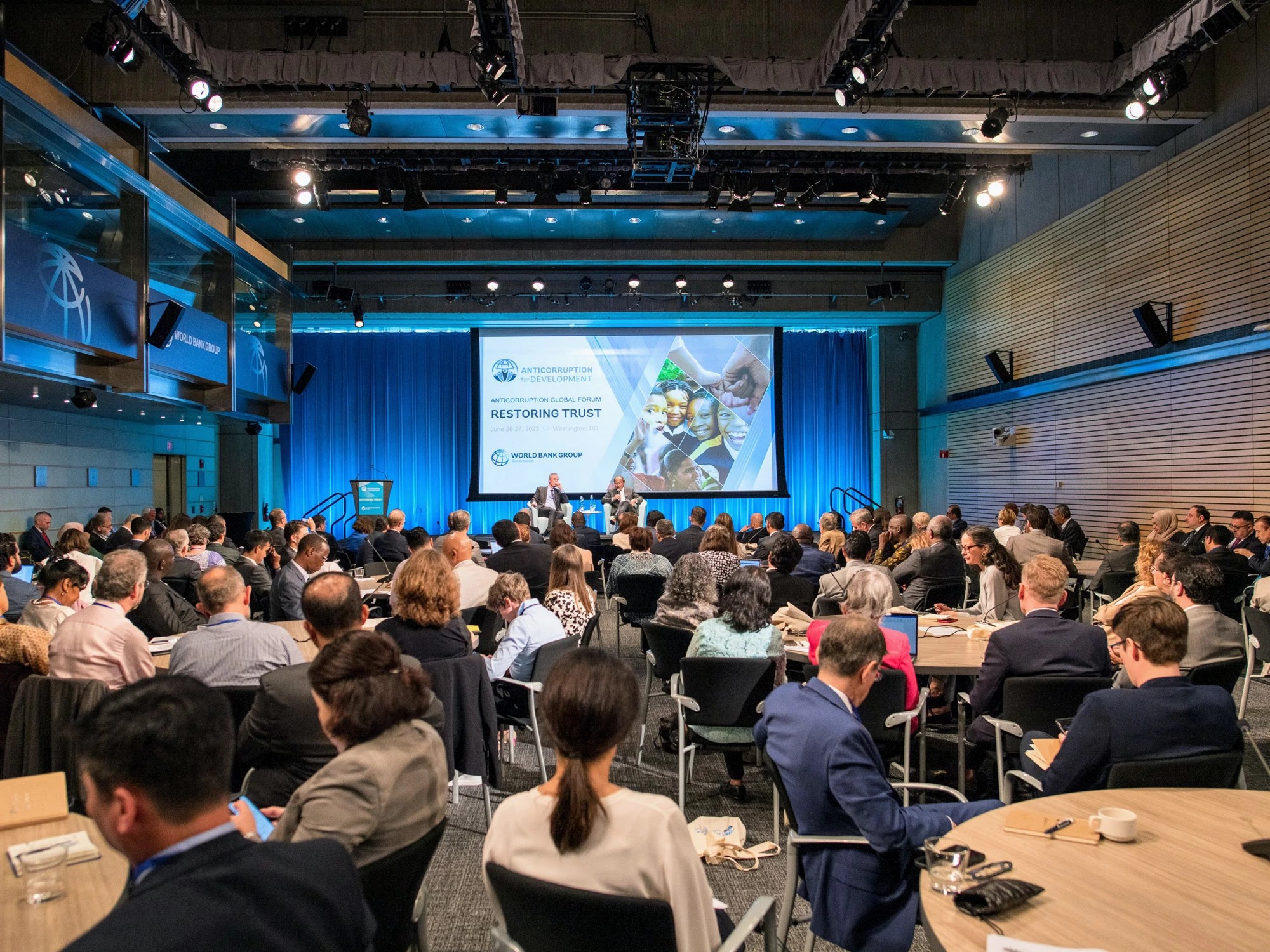
Corruption remains a persistent global challenge, with its impacts evolving alongside economic pressure and shifting governance landscape. While some countries are making progress, others are witnessing long-standing achievements come under scrutiny. In this context, there is a growing need to adapt strategies to new realities in our interconnected world. Collective action builds trust, fosters collaboration and innovation, and sustains momentum for achieving successful outcomes.
Continue reading sustainable development objectives through value-based, principled, and transparent procurement guidance and support.
 probably already heard about
  unless they get all children and young people back to school, keep them in class, and recover the central elements of learning, this generation could lose twice or three times that amount in earning losses.

 high! Maybe not so much, if you’re an advertising executive. This, according to a new IPSOS global poll that looks at
  Internet, and 90 percent of all people are covered by at least basic data services. Some countries have very high levels of internet usage; the members of the Organisation of Economic Cooperation and Development (OECD), a group of advanced economies, have 84 percent individuals using the internet. Some countries, such as Iceland or South Korea, count almost everyone as users. But what of the rest of the world? What holds back about half of the world’s population from using the internet?
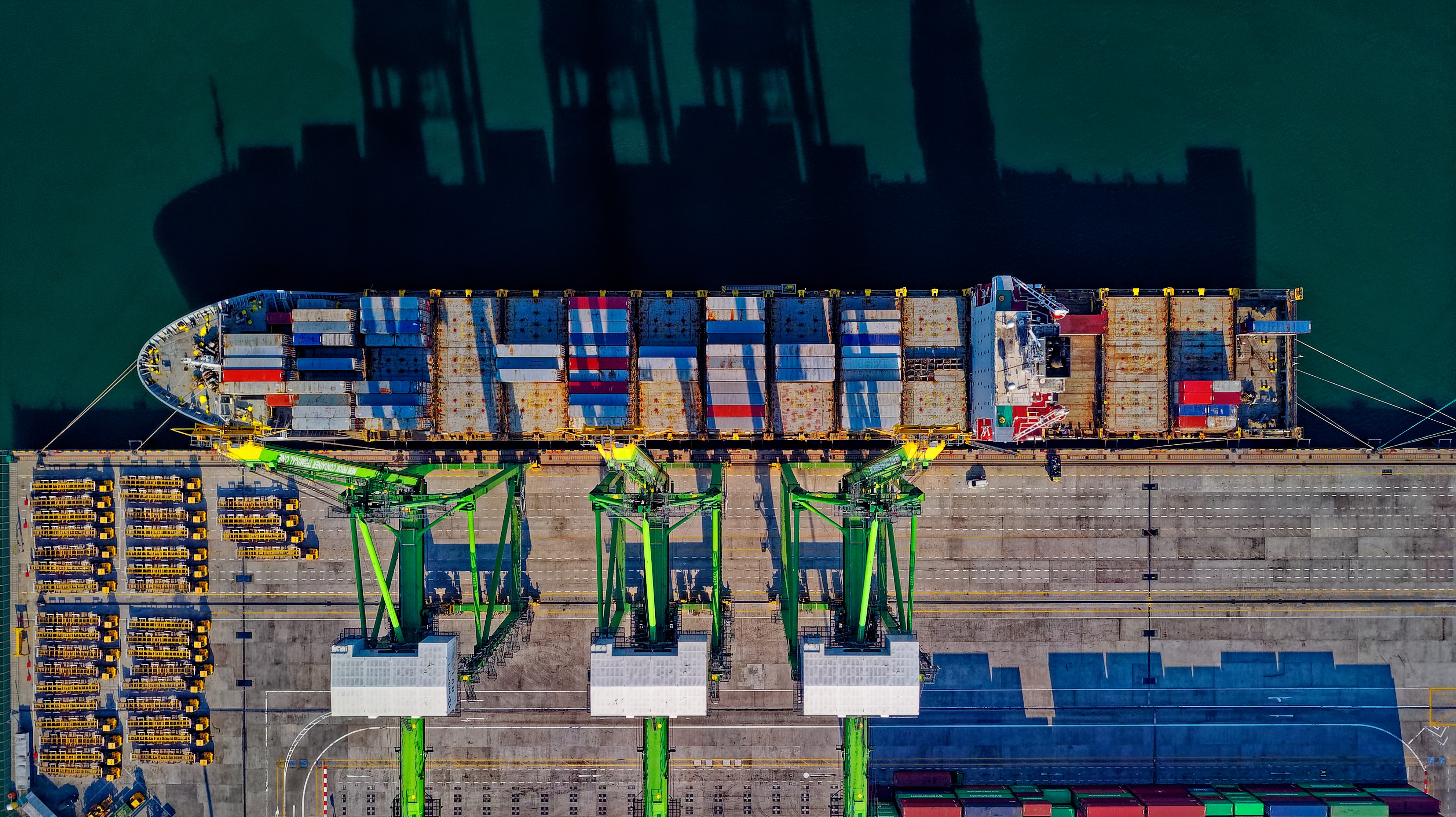 to address resource scarcity, wastage, and the associated environmental effects, but also for incentivising innovation and modernisation towards a circular economy. Resource efficiency essentially means doing more with less, as it allows us to create more value using fewer natural resources. This transition can contribute to sustainable economic growth that generates welfare, while limiting harmful impacts on the environment and hence future generations.” Ángel Gurría, Secretary General, OECD (from Preface,
  cautioned that “we are losing the battle” on climate change and are “nowhere near” being able to contain rising temperatures to between 1.5°C to 2°C. Instead, Macron warned, temperatures could rise by 3.5°C or more by the end of this century.
 Netherlands for the World Bank
You must be logged in to post a comment.