
“Credit: World Bank Group. All rights reserved”
Tag Archives: Human Capital
Five things to know about the new Human Capital Data Portal
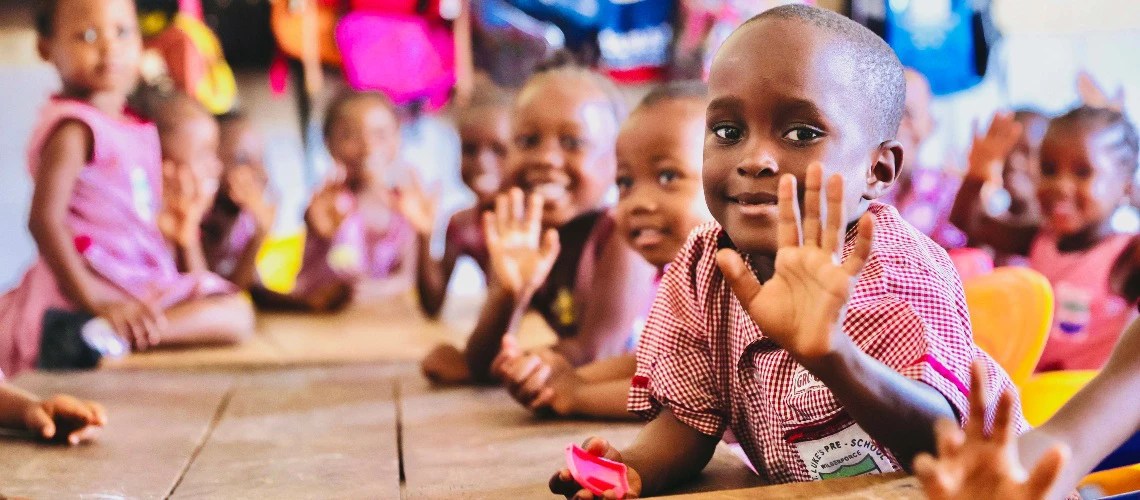
Investing in human capital—the knowledge, skills, and health people accumulate over a lifetime— unlocks a nation’s wealth and the full potential of individuals. Reliable measurement of human capital development is crucial to this effort. From local to global, human capital data provides key insights into effective approaches, guides efficient resource allocation, and strengthens policymakers’ commitment to investing in people, fostering sustainable and inclusive economic growth.
Continue readingRealizing a Brighter Future for a Young, Energized, and Connected Africa
“We need the means for our dreams to come true.” –Hafsat Abdullahi, Nigerian poet
Dar es Salaam, Tanzania recently bustled with immense energy and optimism. The ambitions and aspirations of young people were matched with commitments by African leaders to take action and invest in people toward a brighter future.
Investing in Human Capital for a Greener Future
Ministers of Finance and global thought leaders came together to champion investments in people to build resilience, help mitigate greenhouse gas emissions, and accelerate the green transition.
Collapse & Recovery: How COVID-19 Eroded Human Capital and What to Do About It
The Changing Wealth of Nations
The Changing Wealth of Nations 2021 provides an updated database and rich analysis of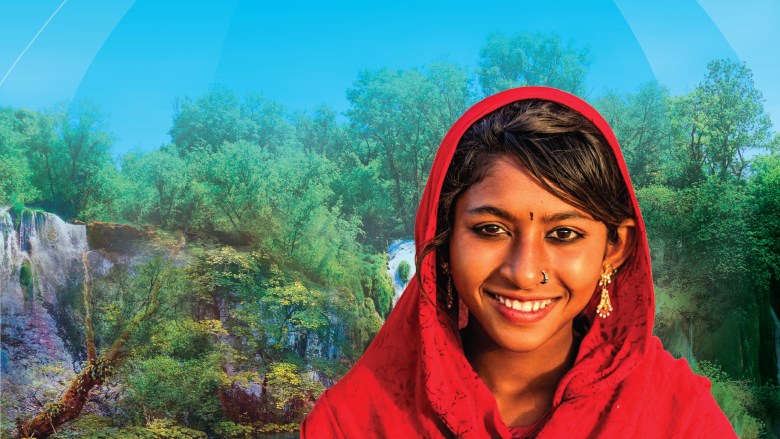 the world’s wealth accounts spanning 146 countries, annually from 1995 to 2018. It contains the widest set of assets covered so far, including human capital broken down by gender, as well as many different forms of natural capital, spanning minerals, fossil fuels, forests, mangroves, marine fisheries and more.
Investments in human capital require bold financing actions for a resilient recovery
Inclusive investments in health, early childhood development, learning, and women’s economic 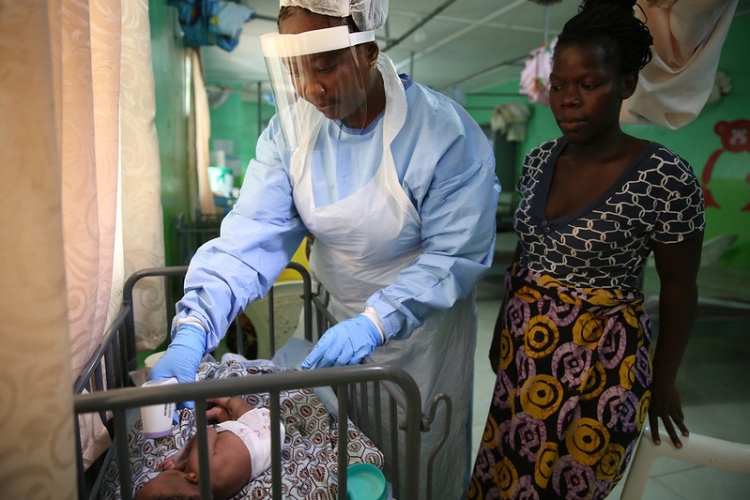 empowerment can contribute to an inclusive, resilient, and sustainable recovery. This was the clear message, focusing on human capital, that the ministers of finance and planning of 81 Human Capital Project HCP countries sent at the last Ministerial Conclave.
September 21, 2020: COVID-19 response, new research on human capital, and looking ahead to our Annual Meetings
I would like to provide another update on some of the work underway at the World Bank Group 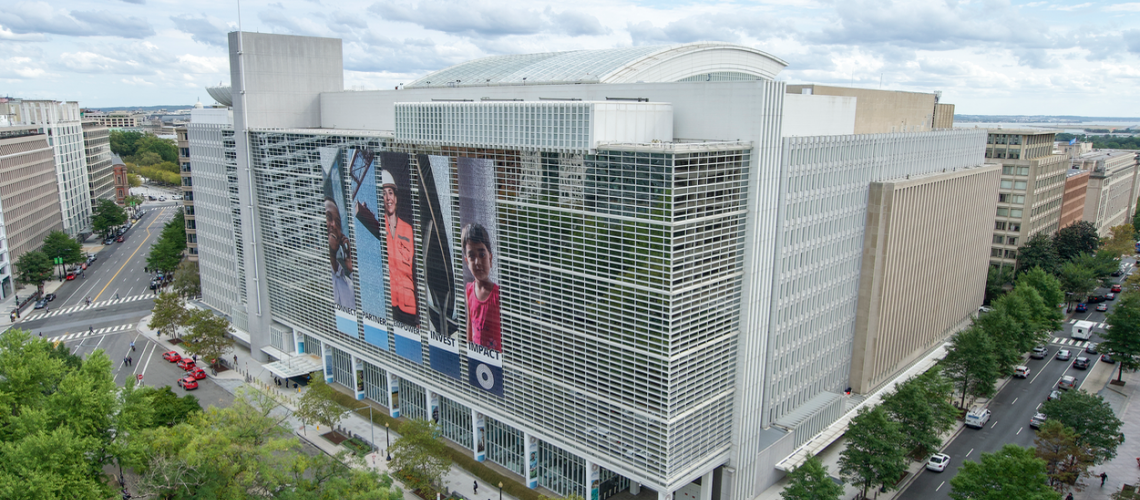 to address the COVID-19 pandemic and other significant development challenges.
The pandemic is hitting developing countries hard, and the inequality of that impact is clear. It threatens to push over 100 million people into extreme poverty and is exacerbating inequality throughout the world. The negative impact on health and education may last decades—80 million children are missing out on essential vaccinations and over a billion are out of school.
Pandemic Threatens Human Capital Gains of the Past Decade, New Report Says
WASHINGTON, Sept. 16, 2020 – The COVID-19 pandemic threatens hard-won gains in  health and education over the past decade, especially in the poorest countries, a new World Bank Group analysis finds. Investments in human capital—the knowledge, skills, and health that people accumulate over their lives—are key to unlocking a child’s potential and to improving economic growth in every country. health and education over the past decade, especially in the poorest countries, a new World Bank Group analysis finds. Investments in human capital—the knowledge, skills, and health that people accumulate over their lives—are key to unlocking a child’s potential and to improving economic growth in every country.
The World Bank Group’s 2020 Human Capital Index includes health and education data for 174 countries – covering 98 percent of the world’s population – up to March 2020, providing a pre-pandemic baseline on the health and education of children. The analysis shows that pre-pandemic, most countries had made steady progress in building human capital of children, with the biggest strides made in low-income countries. Despite this progress, and even before the effects of the pandemic, a child born in a typical country could expect to achieve just 56 percent of their potential human capital, relative to a benchmark of complete education and full health. |
Human capital and climate action: Outcomes that deliver for people and planet
There is now a wealth of evidence that ensuring a well-educated, healthy, and well- nourished population can pay bigger dividends to the economy than investing in roads and bridges alone. The World Bank Group’s Human Capital Project, launched in 2018, aims to accelerate more and better investments in people as a key way to unlock greater equity and inclusive growth.
 Netherlands for the World Bank
You must be logged in to post a comment.