
Over the past decade, internet access in low- and middle-income countries has surged, with 62% of the population online by 2022 (The World Bank). This growing connectivity has led governments, researchers, and development organizations to turn to social media for spreading important health messages. However, social media algorithms tend to prioritize the most active users, making it unclear whether campaigns reach and impact those who need them most—such as individuals at high risk of contracting malaria.
Tag Archives: Health
Putting people at the center of climate solutions
Climate change is an urgent human crisis. Since 2022, 400 million students worldwide have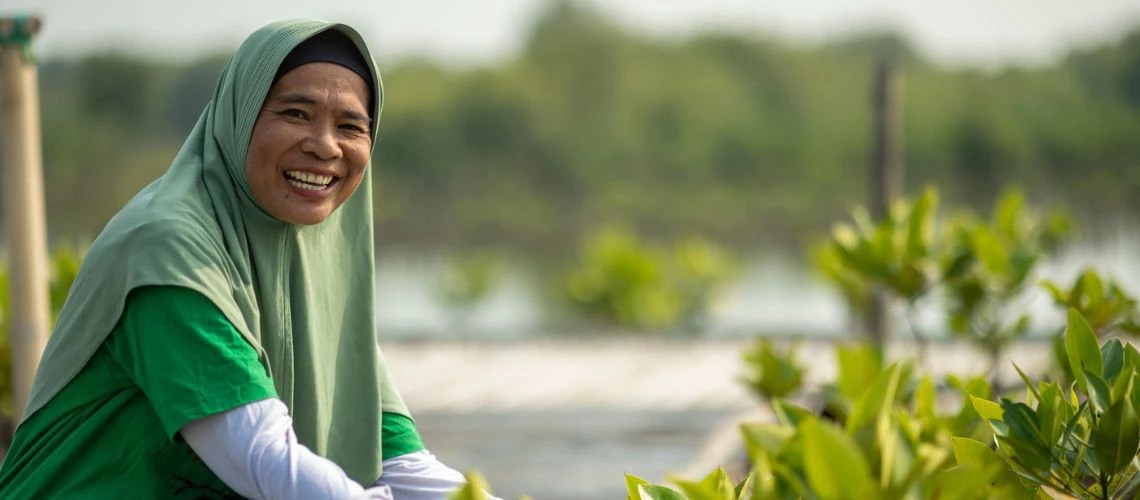 faced school closures due to extreme weather, with low-income countries losing an average of 18 school days each year. By 2050, the health costs of climate inaction may well surpass $21 trillion in low- and middle-income countries.
Smart health taxes: A win for public health and the economy
Imagine a world where strategic investments in health not only save lives but also drive  economic growth and resilience. This vision was at the heart of the 7th Annual Health Financing Forum, where hundreds of participants and experts recently gathered to explore health financing in the post COVID-19 era.
The Commodity Markets Outlook in eight charts

Commodity prices are projected to experience a slight downturn in 2024 and 2025 but are expected to remain above pre-pandemic levels. Energy prices are expected to decline by 3 percent in 2024, as notably lower prices of natural gas and coal offset higher oil prices, followed by a further decline of 4 percent in 2025. Agricultural prices are expected to ease as well in this year and next amid improved supply conditions. Metal prices are set to remain steady in 2024, before rising slightly in 2025. Although the price forecasts assume no further conflict escalation, risks remain tilted to the upside, stemming from the possibility of conflict in the Middle East and its consequent impact on energy supplies.
Continue readingBanking on Women Who Trade Across Borders
“Banking on Women Who Trade Across Borders” underscores the critical need for gender equality in international trade and trade finance. Despite the documented positive impacts of women-owned businesses on economic growth and poverty reduction, a significant gap remains in understanding how international trade intersects with female participation, particularly in accessing trade finance. Drawing from interviews across Africa and Latin America, the report explores the challenges faced by female entrepreneurs and proposes solutions.
Recipe for a Livable Planet: Achieving Net Zero Emissions in the Agrifood System
Download the report here 
Recipe for a Livable Planet is the first comprehensive global roadmap for mitigating the agrifood system’s contributions to climate change. It shows how the agriculture system that produces the world’s food can cut greenhouse gas emissions while continuing to feed the world.
World Bank Land Conference: Land Rights and Access for Climate Action
Why Climate Change and Health Is a Hot Issue | World Bank Expert Answers
World Bank Group Aims to Expand Health Services to 1.5 Billion People
Focus on improved affordability, expanded geographic reach, increased scope of services
WASHINGTON, April 18, 2024—The World Bank Group today announced an ambitious plan to support countries in delivering quality, affordable health services to 1.5 billion people by 2030. This is part of a larger global effort to provide a basic standard of care through every stage of a person’s life—infancy, childhood, adolescence, and adulthood.
New malaria vaccines will save lives. How can we ensure a sustainable rollout? We need to change the way we support refugees – now !
Last month, Cameroon became the first country to start rolling out malaria vaccination as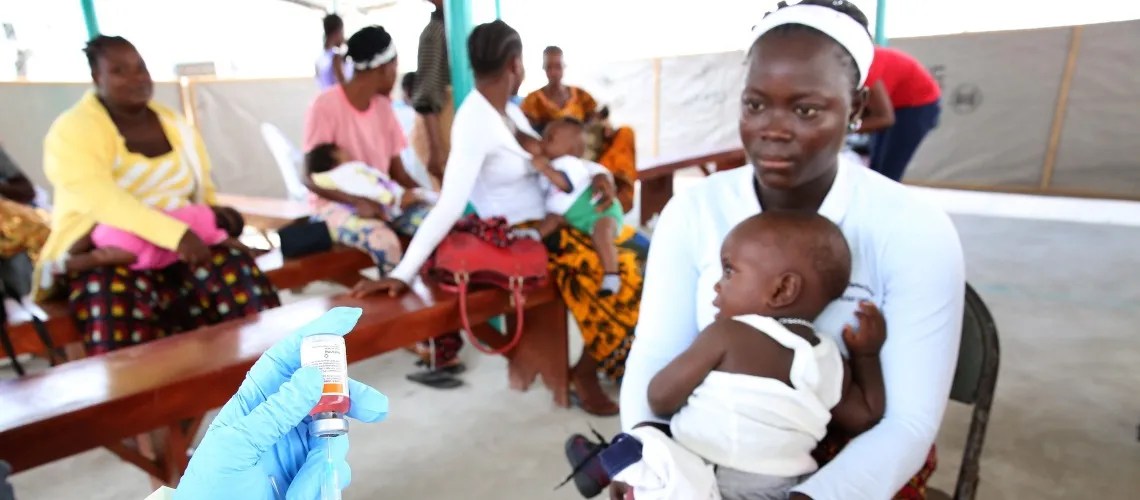 part of its routine immunization program, with Burkina Faso joining just yesterday. This follows successful malaria vaccine trials in Ghana, Kenya, and Malawi where over 2 million children participated in evaluating RTS, S – one of two WHO-recommended vaccines to fight malaria.
 Netherlands for the World Bank
You must be logged in to post a comment.