Regional Economic Updates

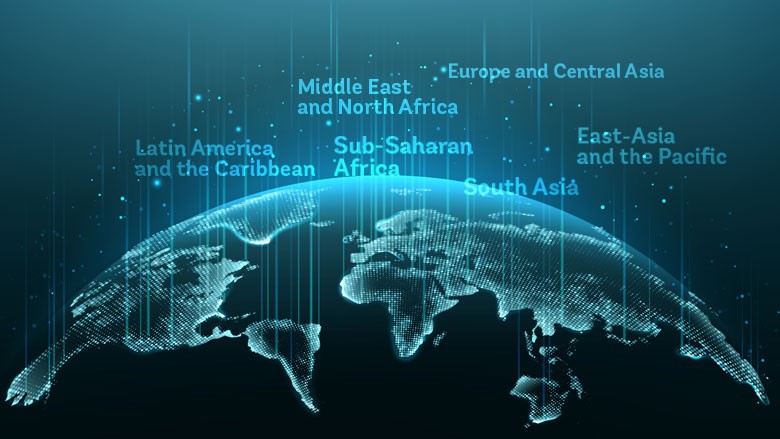
Here are the latest bi-annual regional economic updates to explore the macro development trends in Africa, East Asia and the Pacific, Europe and Central Asia, Latin America and the Caribbean, the Middle East and North Africa, and South Asia.

These reports are released around the World Bank-International Monetary Fund Spring Meetings and updated again around the Annual Meetings. 

Continue reading

How the World Bank is tackling the growing global waste crisis

Every year, the world produces over two billion tonnes of municipal waste, a figure expected to rise by 73 percent to nearly four billion tonnes by 2050. Managing this surge will be a major investment and policy challenge for cities in low- and middle-income countries.

Continue reading

How resilient ports can mitigate global supply chain disruptions

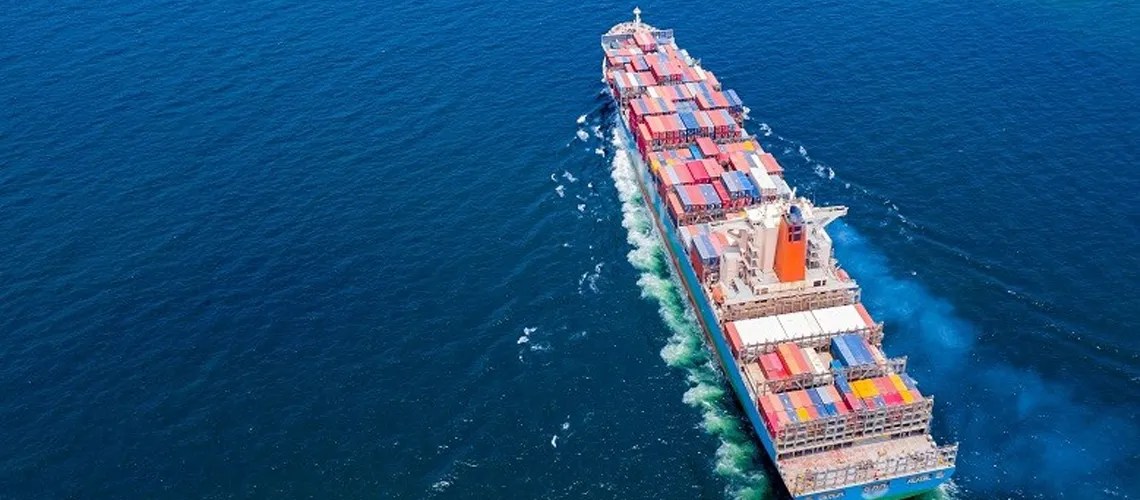
Imagine stopping by your favorite grocery store only to find barren shelves and shockinglyCPPI-1140x500_1140x500 high prices. This scenario is not as unlikely as you might think. Global supply chains, largely unseen by ordinary consumers, work 24/7 across the globe to ensure that products are available at reasonable prices.
Continue reading

Global trade has nearly flatlined. Populism is taking a toll on growth

The World Trade Organization’s (WTO) top decision-making body will have every reason to fret when it meets on February 26. International trade—a key engine of global prosperity since the fall of the Berlin Wall— has ground nearly to a halt and is set to remain anemic in the coming years.  In 2023, trade in goods and services expanded by the slenderest of argins, an estimated 0.2 percent, the slowest pace in 50 years outside of global recessions. It would have declined outright but for the growth of trade in services. Trade in goods shrank roughly 2 percent, the sharpest contraction during this century outside of a global recession. Trade growth will improve this year but it will still be half the average rate in the decade before the pandemic. In fact, by the end of 2024, global trade will register the slowest half-decade of growth since the 1990s. 

Continue reading

2022 World Bank Group Spring Meetings Events

UPCOMING EVENTS

April 19 | 11:30 AM EDT

The Way Forward:

Responding to Global Shocks and Managing Uncertainty

Responding to Global Shocks and Managing Uncertainty
The 2022 Spring Meetings are taking place in the shadow of war in Ukraine and rising global challenges due to conflict, COVID-19, and climate change. Join this conversation between IMF Managing Director Kristalina Georgieva and World Bank Group President David Malpass as they provide insights and highlight potential solutions to tackle challenges during this complex time. #ResilientFuture

2016: World Bank Group Moves Fast to Support Stepped Up Global Climate Ambition

STORY HIGHLIGHTScop22-scene-setter

  • Since the Paris Agreement was adopted at COP21 in December 2015, the world has seen increased ambition on climate change. Almost every country in the world has now set national climate targets, and the Agreement has gone into force much earlier than expected. However, global climate action is still not happening at the scale or speed needed to meet the Paris goal of keeping global temperature rise to below 2 degrees Celsius.
  • The World Bank Group has been moving quickly over the past year to build on the momentum and lay the groundwork for greater ambition, helping countries reduce emissions and increase resilience to climate shocks through action in high-impact areas, such as clean energy, climate-smart agriculture, disaster preparedness, and natural resource management
  • As COP22 starts in Morocco, the Bank Group is aligning its efforts around key focus areas, committing billions to help countries meet their climate goals while leading on critical global issues such as green financing and carbon pricing

Continue reading

Connecting to Compete 2016: Trade Logistics in the Global Economy

WASHINGTON, June 28, 2016—Did you know that 94% of shipments imported into trade-LPI-fishing-ship-container-dockerGermany meet the quality standards of global logistics operators, compared to only 40% in Bolivia? Or that importing goods into Georgia requires traders to deal with just one agency, but in Madagascar, traders must deal with 10?

All of these issues, and more, are captured under the broad category of logistics – the methods and procedures a country uses to move goods across borders. Infrastructure, procedures, regulations, geographic characteristics and even political economy issues all play a role in defining the strength of a country’s logistics.

Continue reading