
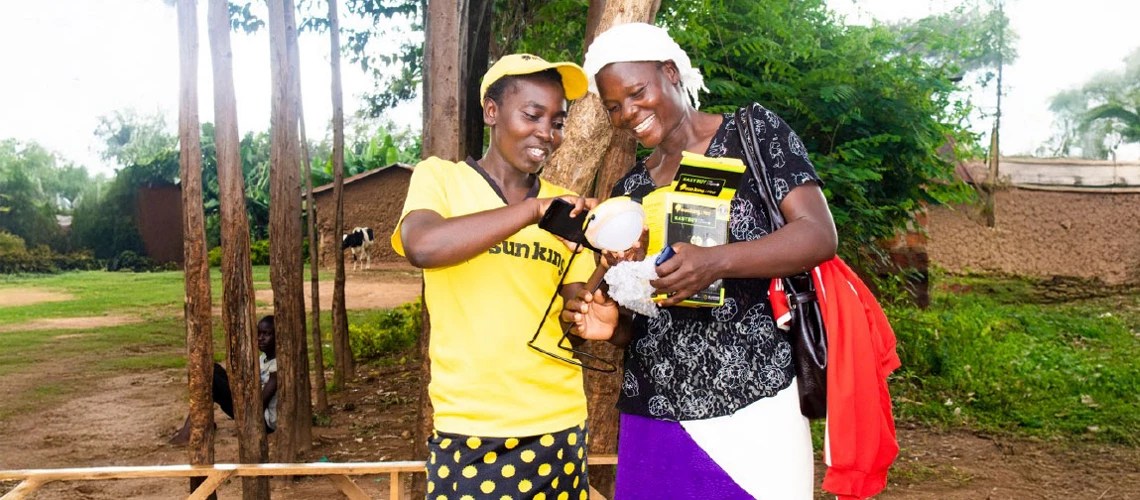
The extraordinary lack of energy in Africa–affecting about 300 million women-has profound effects on women’s economic opportunities. Women are already disproportionately affected by energy poverty, especially in rural areas. On average, women and girls spend 50 hours a week just fetching firewood, cooking, and collecting water. That’s 50 hours spent on subsistence, not on growing a business, pursuing education, or improving their health. In fact, 900 million African women and girls who lack access to clean cooking technology suffer from smoke inhalation-related diseases. That’s a huge barrier to their health, education, and economic potential.
Continue reading
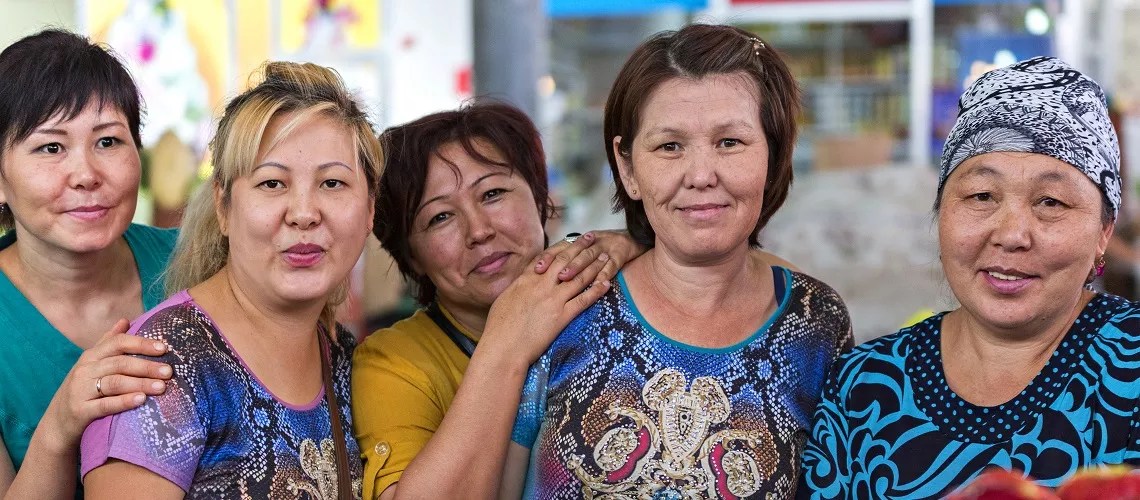 director for Central Asia in July 2021. In my introductory meetings with heads of state, governments, and major cities across the region, I and other World Bank officials were usually the only women in the room.
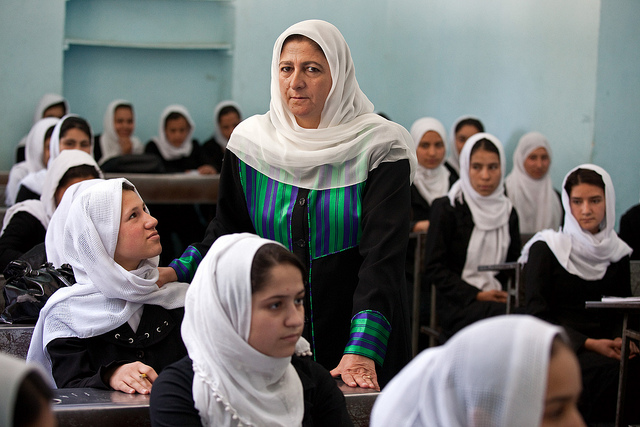 potential or meet the challenges of the 21st century without the full and equal participation of women and men, girls and boys. This is particularly true in developing countries supported by the
  Netherlands for the World Bank
You must be logged in to post a comment.