eC2: Climate Change Impact and Adaptation Modeling for Zimbabwe

Deadline: 07-Jun-2022 at 11:59:59 PM (Eastern Time – Washington D.C.) climate
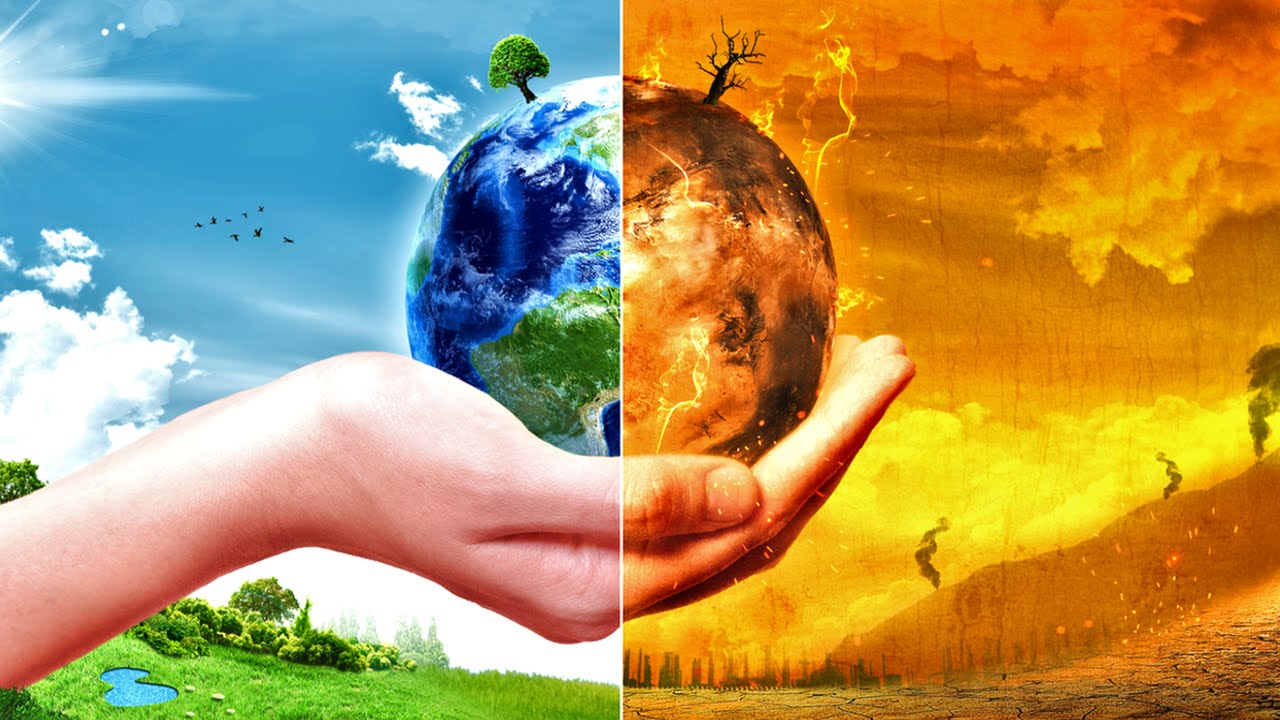
Climate change is a major risk to good development outcomes, and the World Bank Group is committed to playing a role in helping countries integrate climate action into their core development agendas. The Country Climate and Development Reports (CCDRs) aim to help countries shift from addressing adaptation as an incremental cost and isolated investment to systematically incorporating climate risks and opportunities at every phase of policy planning, investment design, implementation and evaluation of development outcomes.

Continue reading

Recap Spring Meeting Events

REPLAYS

In his speech at the Warsaw School of Economics ahead of the 2022 Spring Meetings, titled “Addressing Challenges to Growth, Security, and Stability,” World Bank Group President David Malpass discussed the millions who are suffering amid massive reversals in development and outlined actions the global community can take to help address this situation. Read the full speech here, which was broadcast live from Poland, a country that has taken in over 2.3 million Ukrainian refugees fleeing war.

April 19 | 11:30 AM EDT 

The Way Forward: 

Responding to Global Shocks and Managing Uncertainty

Responding to Global Shocks and Managing Uncertainty
IMF Managing Director Kristalina Georgieva and World Bank Group President David Malpass kicked off the 2022 Spring Meetings, emphasizing the need for increased debt transparency when debt levels are already high, and urged advanced economies to adjust their policies and improve access to markets, especially during the current food crisis. They also highlighted the immediate response both institutions are providing Ukraine and also discussed how to support the rebuilding of the country. #ResilientFuture
 
World Bank Group President David Malpass addressed the press during the International Monetary Fund and World Bank Group 2022 Spring Meetings. He provided updates on the Bank Group’s efforts to respond to myriad crises around the world, as well as to help developing countries manage uncertainty and deliver green, resilient and inclusive development. #ResilientFuture
As developing countries struggle to recover from the COVID-19 pandemic, digital solutions are enabling economic transformation and putting them on a path toward green, resilient, and inclusive growth. Private and public investment in digital solutions is bringing critical services to the poorest, creating jobs, strengthening small and medium businesses, enabling trade and services, and building resilience to shocks. Catch our replay and learn more. #PowerofDigital
 

April 21 | 11:00 AM EDT 

Financing Climate Action
 
Financing Climate Action lays out the complexities of tackling climate and development objectives together amid a geopolitical landscape characterized by conflict, rising prices, and intensifying climate impacts. Several pressing issues are addressed in a series of conversations, from the cost of phasing out coal and the scale of the climate risk we face, to the need to de-risk investments in low-carbon and energy efficiency projects in developing countries, and the expectations for COP27 in Egypt.  #Finance4Climate
 

Ukraine’s President Volodymyr Zelensky joined this roundtable discussion with the World Bank Group via video link from Ukraine. He spoke about the enormous humanitarian and economic costs of the Russian invasion on Ukraine – including the widespread destruction of schools, nurseries and universities. The World Bank Group estimates the Russian invasion has caused almost $60 billion in physical damage to buildings and infrastructure. The event was hosted by the World Bank Group and the Government of Ukraine.


April 22 | 12:00 PM EDT

On the Frontlines of Rising Fragility

By 2030, up to two-thirds of the world’s extreme poor could live in fragility, conflict, and violence (FCV) settings, so without addressing the challenges in these economies, we will not succeed in our mission to eradicate extreme poverty and boost shared prosperity. During this event, we heard from David Malpass, President of the World Bank Group, as well as partners and country representatives on how to stay engaged during times of crisis and meet the challenges in new and innovative ways. #RisingFragility


April 22 | 2:30 PM EDT

Preserving Open Trade

At a time when the global economy is coping with multiple shocks, including the pandemic, the Russian invasion of Ukraine and supply chain disruptions to food and other goods, governments are increasingly turning to subsidies for relief. But the costs can be very high, in terms of public spending and distorted incentives for investment and consumption. In this event, the heads of the four key global economic policy institutions—the World Bank Group, the IMF, the OECD and the WTO—discussed the importance of trade and global cooperation for overcoming current challenges and implications of subsidies for markets and poor countries.  #UnleashTrade


April 23 | 11:00 AM EDT

Invest in People

Now–more than at any other time in living memory–human capital is being dealt devastating blows by conflict, climate change, and the COVID-19 pandemic. The losses to learning, health outcomes, livelihoods, and gender equality have immediate and long-term impacts on people’s well-being and can undermine economic recovery and prosperity for years. Listen to leaders, innovators and change makers who are taking action to put people at the heart of recovery. #InvestInPeople


Getting it right on development: We do not have to choose between people and climate

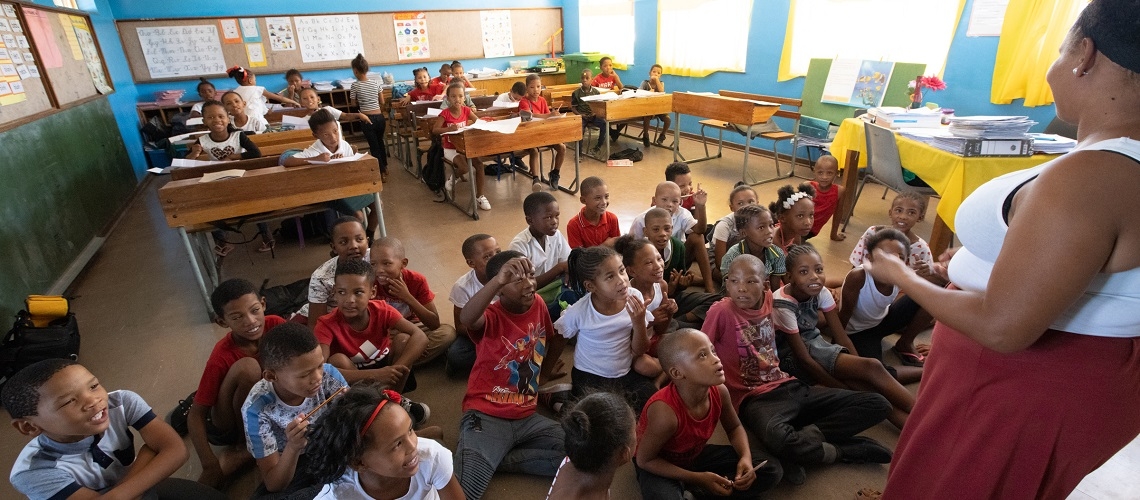
There is no doubt that climate change is profoundly unjust.  The world’s poorest countries did cif_south_africa_50268208563_6a25241b63_o_1the least to contribute to global emissions historically and poorer people within countries emit less than their rich neighbors. Nonetheless, poorer countries and poorer people are more vulnerable to climate impacts. They tend to be more exposed to climate change impacts, for instance living in places exposed to floods, working in occupations like agriculture, or lacking access to improved water and sanitation. And they have fewer resources to adapt and invest in protecting themselves.  

Continue reading

A just transition away from coal: Vital for people and planet

Helping countries transition to clean energy systems while meeting growing energy demand is one of the greatest development challenges of our time. Access to electricity is key to creating new jobs and supporting vital services, such as lighting, cooling, modern healthcare, better education, and affordable broadband. 

Continue reading

Making Climate Action Count: Turning Ambition Into Reality

Two weeks ahead of a pivotal meeting on climate change (COP26), the Annual Meetings event Making Climate Action Count: Turning Ambition Into Reality brought together global leaders, prominent climate advocates and climate champions from several countries to discuss what the world needs to do to meet the goals of the Paris Agreement. Followed on social media with the hashtag #Voices4Climate, the event also took the audience on a virtual journey around the globe, showing how countries from Vietnam to Brazil are working towards a more sustainable and resilient future.

Continue reading

Changing the Narrative – Trade is Part of the Solution to Climate Change

Climate discussions often focus on trade as a contributor to global warming. But with the right

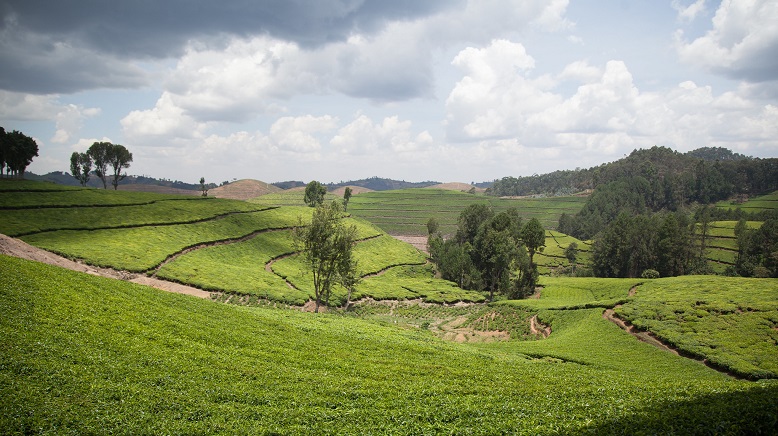
Kitabi Tea Processing Facility in Kitabi, Rwanda

Kitabi Tea Processing Facility in Kitabi, Rwanda

policies to encourage cleaner production and trade in climate-friendly goods and services, it can be part of the solution. Join us for a discussion on expanding this positive role in facilitating climate change mitigation and adaptation. Panelists will discuss how policymakers from low- and middle-income countries can help shape trade to address climate change policy, including potential areas for collaboration and partnerships, as well as ideas for capacity-building and technical assistance.

This event will be LIVESTREAMED on Sept. 29 at 8:30am ET

Continue reading

3 Day Event: Innovate4Climate (I4C)

Join Innovate4Climate 2021 from May 25 to 27.

The 3 day event, hosted by the World Bank Group, comprises high-level plenaries focusing on the most topical issues driving climate action in countries, as well as 60+ workshops focusing on solutions that are helping achieve a resilient and low-carbon future.

Attendance is free but you have to register.   

Registration Link

India’s Youth Rise Up to Fix Country’s Toxic Air Problem

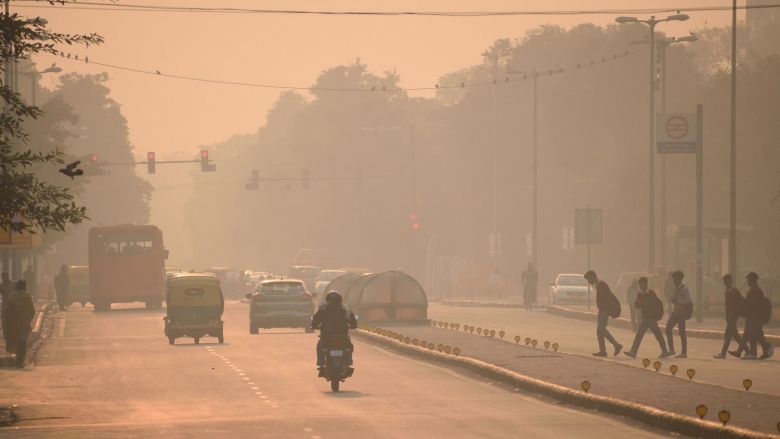
Seeing bluer skies in India—a nation known for its alarming air pollution levels—remains a major

governmental priority. In recent times, the country launched its flagship National Clean Air Program (NCAP) to provide a roadmap to prevent, control, and reduce unhealthy air and mitigate its effects on development. Yet, much remains to be done, and one can still cough up troubling statistics on the lack of clean air in India: On an average, 248 million Indians lose 8 years of their lives due to exposure to poor air quality. And 1.67 million deaths were attributable to air pollution in India in 2019.

Continue reading

Fighting climate change in the world’s poorest countries

In 2020, swarms of desert locusts descended on northern Kenya in the country’s worst locust 17infestation in 70 years. They ate crops and threatened the food security of 3 million people. Locusts brought similar devastation to some of the poorest countries in Africa, the Middle East, and South Asia, as governments and communities braced for the COVID-19 pandemic.

Continue reading