A good job is the safest way out of poverty. The Regional Labor Outlook report summarizes the main trends related to labor markets in Latin America and the Caribbean. Download it here.
“Credit: World Bank Group. All rights reserved”

A good job is the safest way out of poverty. The Regional Labor Outlook report summarizes the main trends related to labor markets in Latin America and the Caribbean. Download it here.
“Credit: World Bank Group. All rights reserved”
Our goal at the World Bank is to end poverty on a livable planet. As part of that mission, it is 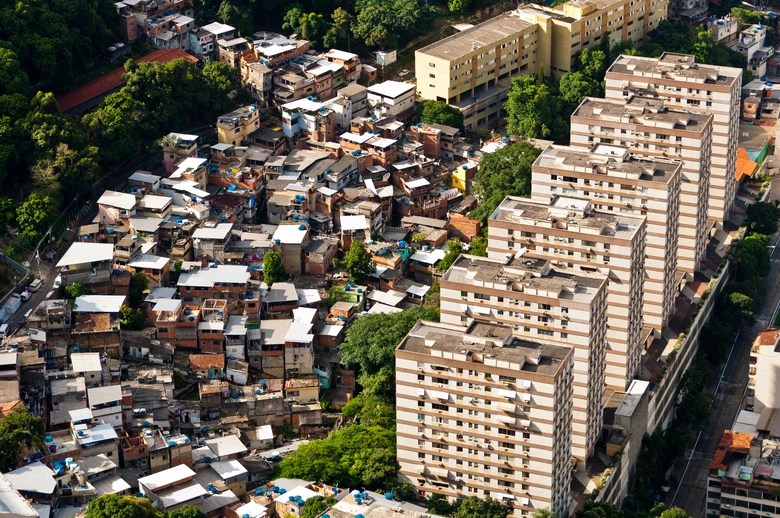 critical that we understand both the current state and evolution of the associated challenges, so as to inform policies that raise the standard of living of people in Latin America and the Caribbean (LAC), where poverty and inequality impact millions. Our new Regional Poverty and Inequality Update leverages the latest data and provides an in-depth analysis of these critical challenges within LAC. It offers detailed insights about the evolving landscape of poverty and inequality that can guide informed decisions for future action.
Partnership will boost innovation and unlock opportunities across Latin America and the Caribbean
WASHINGTON, August 31, 2023 ― The World Bank and the Inter-American Development Bank (IDB) today announced a groundbreaking four-year partnership to drive stronger results for people in Latin America and the Caribbean.
Most Latin American and Caribbean (LAC) economies today are barely recognizable when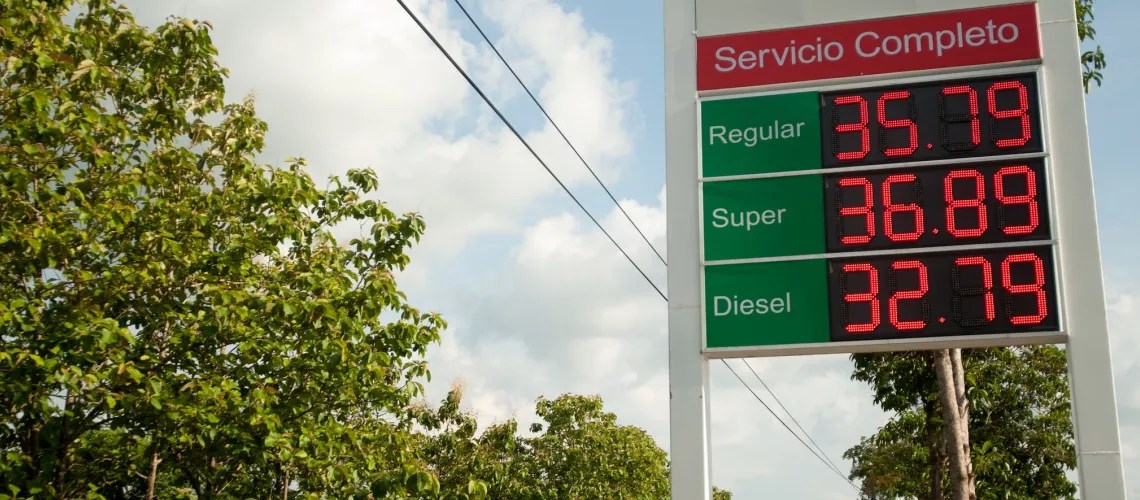 compared to their former selves just a generation ago. Although not all countries have managed to rein in economic volatility, most have graduated to delivering an almost “normal” macroeconomic performance. The importance of this achievement cannot be overstated. Not only is macro stability critical to citizen wellbeing, but it is an essential foundation for faster growth and poverty alleviation. Progress can be detected in at least three areas.
Tax compliance as a tool for development of small-sized countries
Dutch headquartered BearingPoint Caribbean were recently awarded a World Bank funded project to modernize the tax administration on the Caribbean island of Grenada. The Grenada Inland Revenue Department (IRD) will be the 15th tax administration to use BearingPoint’s innovative software.
Grenada, like many other Small Island Developing States (SIDS), is highly vulnerable to climate change, natural disasters, and the economic dependence on tourism. In the post-Covid-19 era, the government of Grenada therefore wants to develop more resilience by improving fiscal sustainability. Domestic resource mobilization is now more important than ever.
As developing countries struggle to recover from the COVID-19 pandemic, digital solutions are enabling economic transformation and putting them on a path toward green, resilient, and inclusive growth. Private and public investment in digital solutions is bringing critical services to the poorest, creating jobs, strengthening small and medium businesses, enabling trade and services, and building resilience to shocks. At the same time, more than half the developing world remains digitally unconnected, and risks around privacy and cybersecurity are growing worldwide.
The discussion about the digital revolution highlighted innovative ways countries are using digital technologies. From digital financial services, to remote schooling, to more inclusive government services, digital solutions are accelerating more equitable and resilient growth. We heard from public and private sector leaders from around the globe about how safe and effective digital technology has become essential to development in the digital age.
With co-financing from a World Bank administered multi-donor trust fund (MDTF), the Caribbean Catastrophe Risk Insurance Facility Segregated Portfolio Company (CCRIF SPC) offers sovereign insurance for earthquakes, tropical cyclones, and excess rainfall to Caribbean and Central American countries. Currently, 19 countries in the Caribbean and 3 in Central America have memberships that through the years translated into 54 payouts totaling $245 million benefiting over 3.5 million people.
Continue readingDeadline: 22-Mar-2021 at 11:59:59 PM (Eastern Time – Washington D.C.) 
The objective of this assignment is to provide consulting services to conduct diagnostics assessment for market barrier for renewable energy (RE) development and private sector investments in RE. The work will entail assessing RE investment readiness in the Eastern Caribbean Currency Union (ECCU) countries and develop a market report.
Article by Karin Kemper & Tahseen Sayed, www.blogs.worldbank.org
Concern about the world’s oceans is growing. Overfishing threatens fisheries, coral reefs  are declining and disappearing, and the number of dead zones is increasing. A dearth of waste management on land results in pollutants and debris, including plastics, finding a home in the ocean.
A new World Bank report, Marine Pollution in the Caribbean: Not a Minute to Waste, analyzes the causes and offers solutions for ocean pollution in one of the world’s most popular tourist destinations, now a hotspot for marine debris, especially plastics.
In the Caribbean and around the world, plastics and other waste are more likely to end up in the oceans when waste is poorly managed, such as through open dumping, open burning, and disposal in waterways.
The marine litter found in the Caribbean comes both from the region and from northern waters, brought in by prevailing currents.
Studies have measured the concentration of plastics across the Caribbean Sea and found as many as 200,000 pieces of plastic per square kilometer in the northeastern Caribbean, according to the report.
Three years into the Sustainable Development Goal (SDG) era, the Latin America and 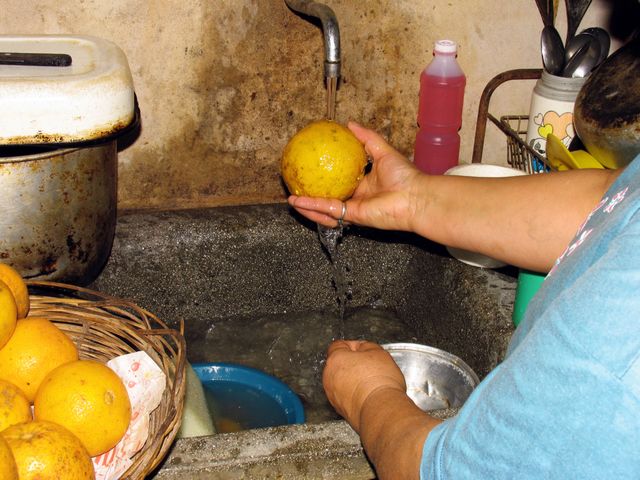 Caribbean (LAC) region is “on track to achieve universal access by 2030,” according to the 2018 UN SDG6 Synthesis Report 2018 on Water and Sanitation.
However, important challenges remain to reach SDG6 in LAC. Safe water and sanitation coverage levels are currently below the Millennium Development Goals (MDG) targets of achieving improved coverage levels. The statistical (coverage) or administrative information that LAC countries currently access fails to capture the new attributes of the SDGs, especially relating to the quality of services, wastewater treatment, and the adoption of hygiene practices, including hand washing. Moreover, the institutional arrangements along with diminishing sector investments cannot be adequately programmed with the type of information currently available.
 Netherlands for the World Bank
You must be logged in to post a comment.