
Nearly two years into the COVID-19 pandemic, the World Bank’s High-Frequency Phone 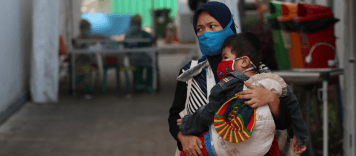 Surveys (HFPS) in the East Asia and Pacific (EAP) Region show that poorer households have been disproportionately affected and have been slower to recover. Findings from the HFPS reported in the recent EAP Economic Update and a new regional study show that inequality has likely been exacerbated in several dimensions.
Solidarity with the poorest countries: A renewed commitment to recovery
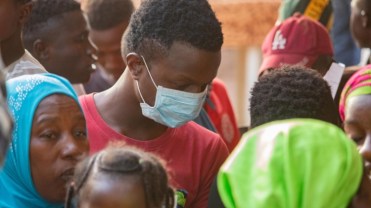 A few weeks ago, the international community agreed to a record $93 billion financing package for the world’s poorest countries. This support will be delivered through the World Bank’s International Development Association (IDA) over the next three years, starting in July.
Climate change and poverty: the perfect storm
We often hear that climate change disproportionately impacts the poor and the scenarios are worrisome. For example,
Beneath this alarming headline, we know that climate-related losses will fluctuate across time and geographies. Impacts on people will be as varied and specific as household income sources and consumption patterns.
How the World Bank Delivered COVID Vaccines in East Asia and the Pacific
STORY HIGHLIGHTS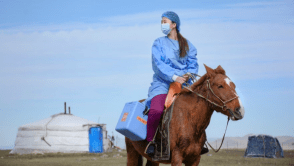
- The World Bank has provided US$1.44 billion to support the purchase and distribution of COVID-19 vaccines, tests, and treatments in the East Asia and the Pacific (EAP) region, especially for the poor and vulnerable.
- Strong partnerships and flexible financing approaches have helped countries ramp up their vaccination programs while investing in health, education, and social protection to ensure a more resilient future.
- Based on the current pace of vaccination and availability of vaccines to EAP countries, most will achieve at least 70% coverage by mid-2022.
We are losing a generation: The devastating impacts of COVID-19
But unless they get all children and young people back to school, keep them in class, and recover the central elements of learning, this generation could lose twice or three times that amount in earning losses.
The first impact was the millions of lives lost due to the disease caused by the COVID 19 virus. The second was the human suffering caused by job instability and poverty. The third is on children and youth who should have been in school but were told to stay at home.
2021 Year in Review in 11 Charts: The Inequality Pandemic
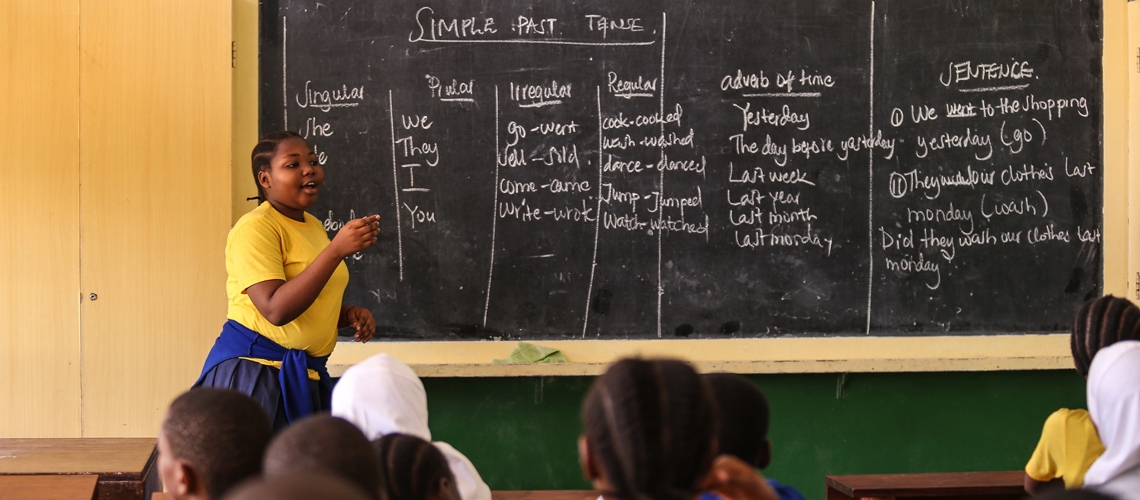
Reversing the pandemic’s education losses
When schools around the world moved online due to COVID-19, children in
developing countries suffered the most. Even though digital learning does not produce the same outcomes as in-person education, technology used effectively can close educational gaps and prevent learning loss.
IDA: Stepping Up
September 26, 1960 marked the beginning of a new chapter in the World Bank’s history b y introducing one of the most effective instruments in the global fight to eradicate poverty: “The International Development Association (IDA), a new international agency for financing economic growth in the less developed countries, came into being today as an affiliate of the World Bank,” read the release.
Mobilizing against child malnutrition
A child born at the start of 2020 was less likely to become malnourished than a child born at 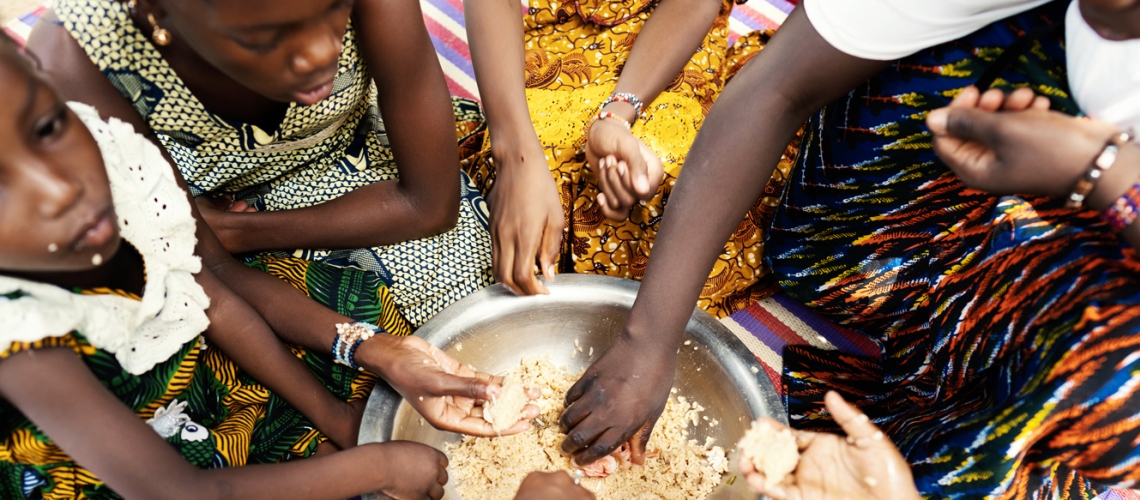 the turn of the Millennium. Investment, innovation and commitment has seen rates of malnutrition fall. Yet despite this progress, malnutrition is still blighting lives around the world. What’s more, it is being dramatically exacerbated by the COVID-19 pandemic, which has rolled back decades of progress in child undernutrition and worsened the growing challenge of overweight and obesity. This has been compounded by disruptions to health and nutrition delivery systems, which are crucial in preventing, diagnosing and treating malnutrition.
How a novel financing tool is helping bring the private sector into difficult markets
More than one-third of people in Senegal work in agriculture, many tending to small plots of  millet, rice, and ground nuts. Despite their importance to Senegal’s economy, these farmers often cannot afford the fertilizers and high-yield seeds so crucial to improving productivity.
To change that, one of Senegal’s leading microfinance institutions, Union des Mutuelles Alliance de Crédit et d’Epargne pour la Production (UM-ACEP), has long been providing loans to farmers. But it faces a challenge — one I have seen all too often in Sub-Saharan Africa. To reach more farmers, UM-ACEP needs capital, and many financial institutions are hesitant to lend the company money. They fear that UM-ACEPs business is too risky because their customers are smaller businesses with limited experience and undocumented financial performance.
So, IFC has stepped in.
 Netherlands for the World Bank
You must be logged in to post a comment.