
As the world continues to grapple with the food crisis, we need to remember that this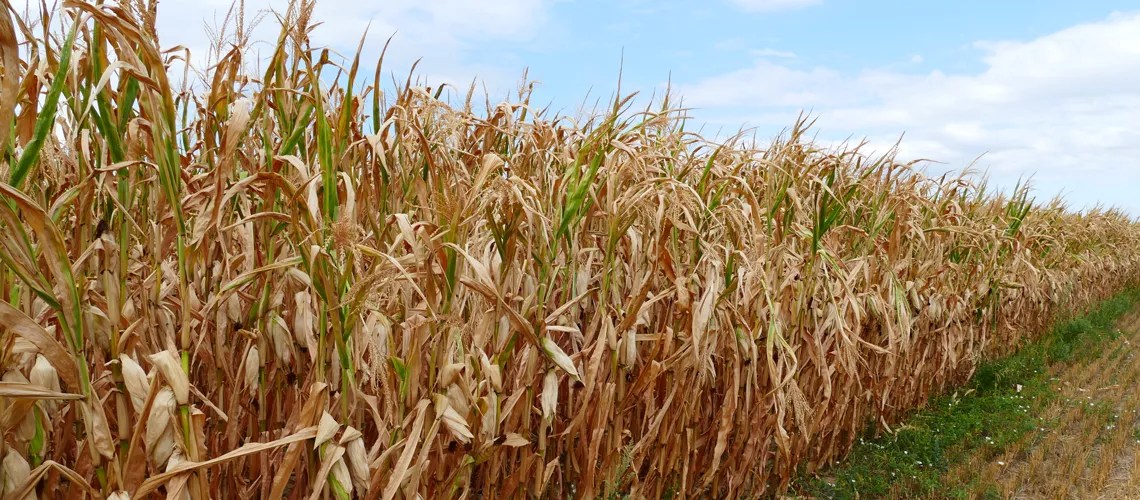 problem didn’t emerge overnight. The war in Ukraine accelerated and triggered more attention to the crisis, but food prices and global hunger were already on the rise even before the war. Climate change, among others, has been a major driver of these worsening trends. Ironically, although global food production has nearly quadrupled between 1961 to 2020 and increased by 50% between 2000 to 2020, more people than ever before are going hungry.
Newsletter: Netherlands International Development Pulse
We recently published our biannual newsletter:

More can be found: Netherlands International Development Pulse
Global Forum for Food and Agriculture 2023
The Global Forum for Food and Agriculture (GFFA) is an international conference on central issues of agricultural and food policies held each year in Berlin. Hosted by the Federal Ministry of Food and Agriculture (BMEL), the event welcomes 3,000 international visitors from politics, industry, science, and civil society to discuss what actions can be taken to achieve a transformation of food systems.

How to work with USAID?
UPCOMING EVENTS 
Webinar: How to Work with USAID 101
Join USAID’s Industry Liaison Team on January 26 at 10:30am ET for a How to Work with USAID webinar. Learn about USAID’s operational framework, how to find funding opportunities, as well as how to engage with the Agency. Additionally, you’ll learn about WorkwithUSAID.org, which is a free resource hub that empowers partners with the knowledge and networks to navigate how to work with USAID. Registration details here.
Find information on additional upcoming events on WorkwithUSAID.org.
WBG Procurement Opportunities
Interested in Doing Business with the World Bank Group? Please see selected opportunities below.
Procurement Framework and Regulations for Projects After July 1, 2016 (worldbank.org)
Africa will remain poor unless it uses more energy
Greenhouse-gas emissions south of the Sahara are tiny
A window seat in a helicopter flying south-west from Windhoek, Namibia’s capital, offers an otherworldly diorama. The landscape shifts from earthly desert to Mars-red dunes, then to moonscape as the chopper nears Luderitz. In the early 1900s this tiny port was the hub for a diamond boom that brought the art-nouveau mansions that perch on the town’s slopes. More than a century on, Namibia hopes that the area will again bring riches, this time from sun, wind and land, by hosting one of Africa’s largest renewable-energy projects.
WBG Procurement Opportunities
Interested in Doing Business with the World Bank Group? Please see selected opportunities below.
Procurement Framework and Regulations for Projects After July 1, 2016 (worldbank.org)
Newsletter: Netherlands International Development Pulse
We recently published our biannual newsletter:
More can be found: Netherlands International Development Pulse
WBG Procurement Opportunities
Interested in Doing Business with the World Bank Group? Please see selected opportunities below.
Procurement Framework and Regulations for Projects After July 1, 2016 (worldbank.org)
WBG Procurement Opportunities
Interested in Doing Business with the World Bank Group? Please see selected opportunities below.
Procurement Framework and Regulations for Projects After July 1, 2016 (worldbank.org)
 Netherlands for the World Bank
You must be logged in to post a comment.