
Despite contributing the least to the climate crisis, Sub-Saharan Africa, home to over 1 billion  people, continues to suffer some of the worst consequences of a changing climate. In 2019, we saw the catastrophic impacts of Cyclone Idai on millions of people in Mozambique, Zimbabwe, and Malawi, and in 2020, locusts caused widespread food insecurity in the amidst of a global pandemic.
Category Archives: WBG News & Reports
Recap: The impact of the pandemic on woman and girls.
Evidence from outbreaks similar to COVID-19 indicates that women and girls can be affected in particular ways, and in some areas, face more negative impacts than men. In fact, there is a risk that gender gaps could widen during and after the pandemic and that gains in women’s and girls’ accumulation of human capital, economic empowerment and voice and agency, built over the past decades, could be reversed. The World Bank Group is working to ensure that projects responding to COVID-19 consider the pandemic’s different impacts on men and women.
COVID-19 spurs big changes in Pakistan’s education
 Pakistan’s schools are reopening again today after a nearly uninterrupted 11-month hiatus. In March 2020, the Government of Pakistan closed all schools as part of a nationwide lockdown, prompting the Ministry of Federal Education and Professional Training (MoFE&PT) to seek education alternatives to ensure learning continuity.
Realizing the returns to schooling: How COVID-19 and school closures are threatening women’s economic future
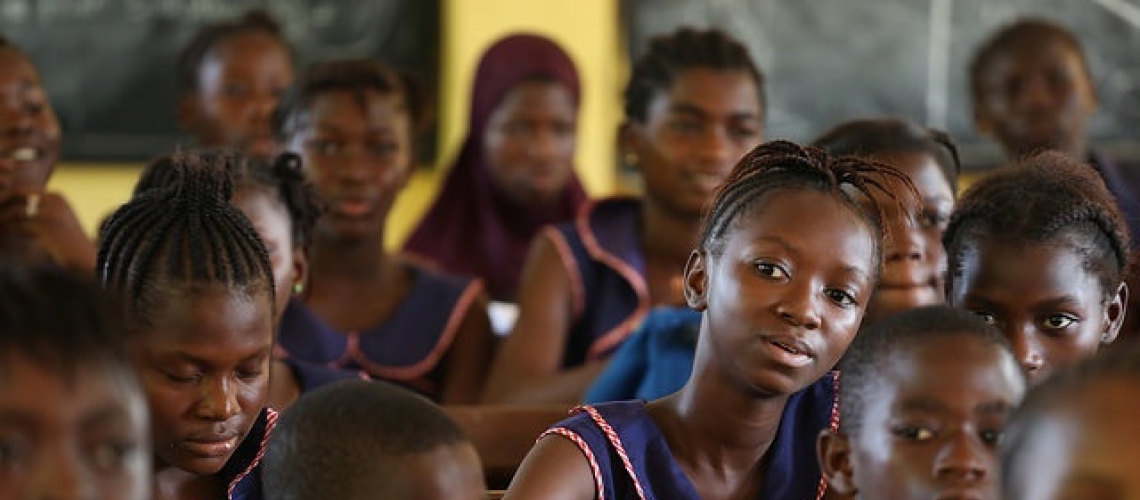 ensure that girls and women can realize the returns to their schooling.
 Returns to schooling for women are high – so says Bono and the research. A couple of years ago, in an essay in Time magazine Bono wrote: “Give girls just one additional year of schooling and their wages go up almost 12 percent.” He said the same thing a year before that at the Munich Security Conference. The source of that quote was a 2014 World Bank paper and a recent update confirms this is still the case. At the same time, girls are staying in school longer and learning more. However, these gains are at risk as COVID-19 is presenting a crisis within a crisis for girls’ education.
Prevent the next food crisis now
The toxic cocktail of climate change, conflict, and COVID-19 is making itself felt most intensely 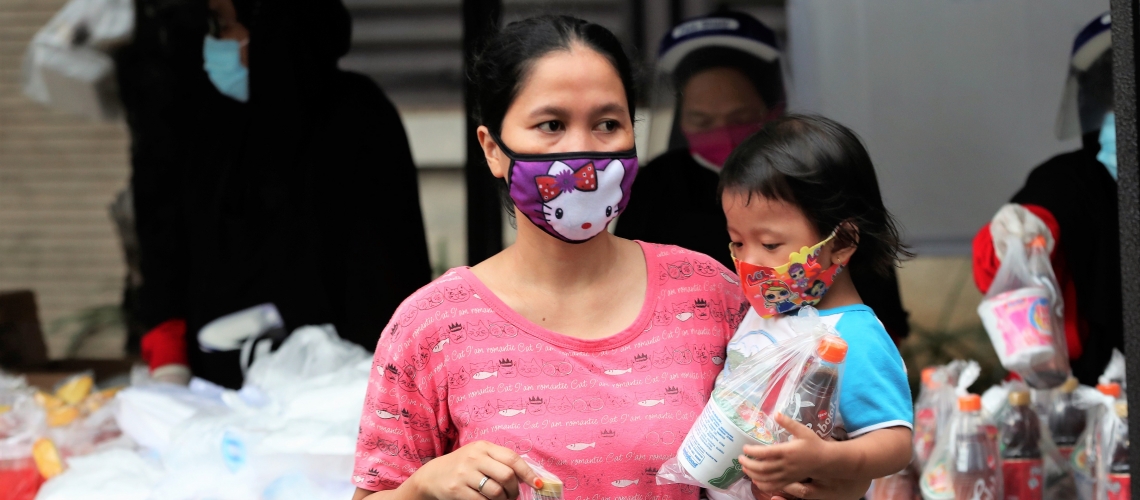 in the world’s poorest and most vulnerable countries. As a result, a record 235 million people worldwide will need humanitarian assistance and protection in 2021 – an increase of 40% from last year.
COVID-19 response: Where we stand now, and the road ahead
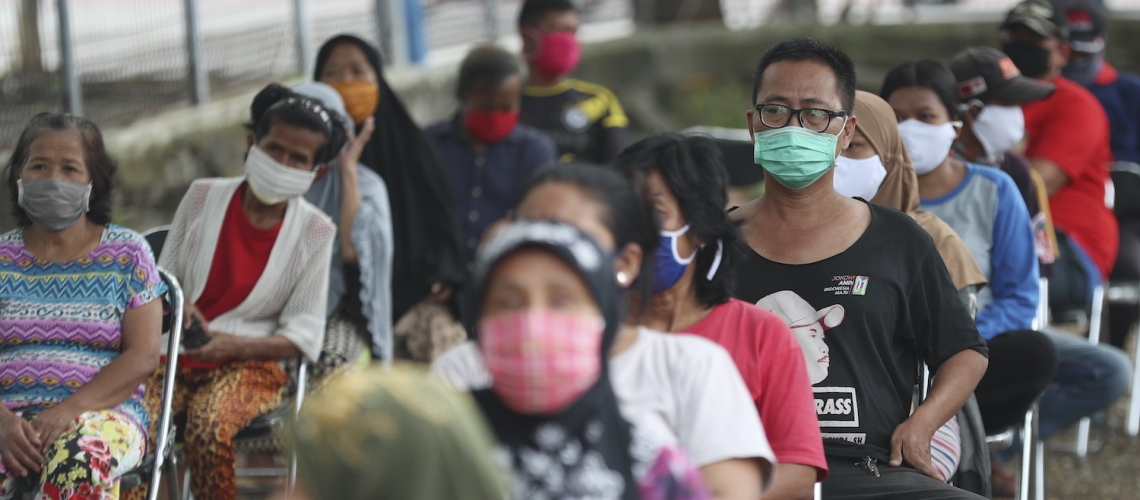
The world is now a full year into the COVID-19 pandemic—both the health emergency and the global economic crisis it has generated. Its impacts have touched every person in every country, causing illness and death, disrupting livelihoods, and potentially pushing an estimated 150 million more people into extreme poverty around the globe by the end of 2021. And
COVID-19 is hitting poor countries the hardest. Here’s how World Bank’s IDA is stepping up support
A year ago, before the COVID-19 pandemic struck, I was optimistic about the trends in global  poverty: extreme poverty rates had been steadily declining for more than two decades. Although considerable challenges like debt still loomed large for the poorest countries, the positive trajectory in the fight against poverty brought great hope for a better future—a future I still believe in.
COVID crisis is fueling food price rises for world’s poorest
Over the last year, COVID-19 has undone the economic, health and food security of millions,  pushing as many as 150 million people into extreme poverty.
COVID-19 vaccines – A path for recovering human capital
The COVID-19 pandemic presents a global health emergency and an unprecedented  economic crisis. key among which is the disruption in the provision of essential primary health, education, and community services.
 Netherlands for the World Bank
You must be logged in to post a comment.