
September 2018 edition of the NL4WorldBank newsletter is out!  A World Free of Poverty which was published on the 11th of September.
In this edition we feature a story about Wijnand van Ijssel, the secondant for the Food 4 All Partnership between the Netherlands and the World Bank Group. The Partnership aims to find synergies and collaboration between Dutch knowledge programs and expertise in agriculture and food/nutrition and connect this with knowledge development and investment program needs of the World Bank Group.
 introduction to the World Bank Group. We have updated the handbook with new information on the current procurement framework. Besides the handbook we also created fact sheets which include information on project cycles as well as Bank jargon which will be good to know when working with the World Bank Group.
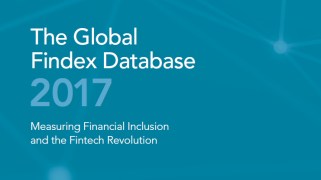 save, borrow, make payments, and manage risk. Launched with funding from the Bill & Melinda Gates Foundation, the database has been published every three years since 2011. The data are collected in partnership with Gallup, Inc., through nationally representative surveys of more than 150,000 adults in over 140 economies. The 2017 edition includes updated indicators on access to and use of formal and informal financial services. And it adds new data on the use of financial technology (fintech), including the use of mobile phones and the internet to conduct financial transactions.
 start-up. Your daughter lands a job as a freelance journalist. Your street vendor who sells flowers down the street has been absent due to an illness.
 produced with the Asian Development Bank, the United Kingdom’s Department for International Development, and the Japan International Cooperation Agency
 due in large part to recurring conflicts, has led to the steady depletion of Gaza’s natural aquifer. The empty aquifer has been invaded by seawater and, alarming for public health, untreated sewage.
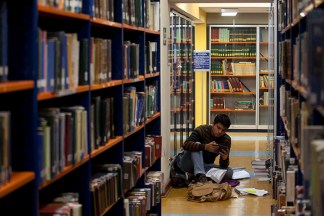 far and are apparently different is less common. However, both Turkey and Peru have had the highest growth in their respective regions in recent years, aspire to become high-income economies in the next decade, depend on trade. Both countries face downside risks if structural changes—in the education and training system, and the economy more broadly—are not made to ensure that contributions to economic growth come from improvements in productivity. Both countries recognize there is a large gap between their productivity levels and the global productivity frontier, and both have growing populations that are not adequately equipped to meet labor market needs, with average productivity levels. Given these (similar) challenges, both countries have as their development goal, central to their development agenda, to improve productivity to continue growing in a sustainable manner.
 a
a  Netherlands for the World Bank
You must be logged in to post a comment.