
From tsunamis in Asia and earthquakes in Latin America, to hurricanes in the Caribbean and cyclones in Africa, disasters caused by natural hazards claimed some 1.3 million lives between 1998 and 2017, and wreaked untold havoc on livelihoods and infrastructure worldwide.
We see no sign of the risk posed by natural hazards decreasing, particularly having witnessed the devastating impact of Cyclone Idai on families and communities in Africa earlier this year. What’s worse, climate change is making storms, floods, droughts, and heatwaves even more frequent, damaging, and deadly.
 living on less than $1.90 per day in 2011 PPP—to less than 3% by 2030. We know that the world has seen tremendous progress in reducing extreme poverty since 1990. So, where in the world has poverty reduction been most successful?
 wrong reasons.
  sometimes recess lasts all day because the teacher doesn’t come to work.
 markets to invest in development projects. Through its arm for middle-income countries, the International Bank for Reconstruction and Development (IBRD), the World Bank Group funded public sector projects like roads, green energy, health or education systems; and through the International Finance Corporation (IFC), it provided capital to the private sector in developing countries to help businesses grow and provide jobs, taxes and other wider societal benefits.
 and ultimately of development benefits and livelihoods.
  technological advances to achieve long-lasting development solutions.
 quarter century—from 36 percent of the world population in 1990 to an estimated 8.6 percent in 2018—and that living standards for hundreds of millions of people have improved over that time.
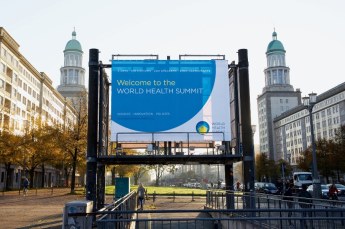 for universal health coverage, the global health community gathers in Berlin for the
  Netherlands for the World Bank
You must be logged in to post a comment.