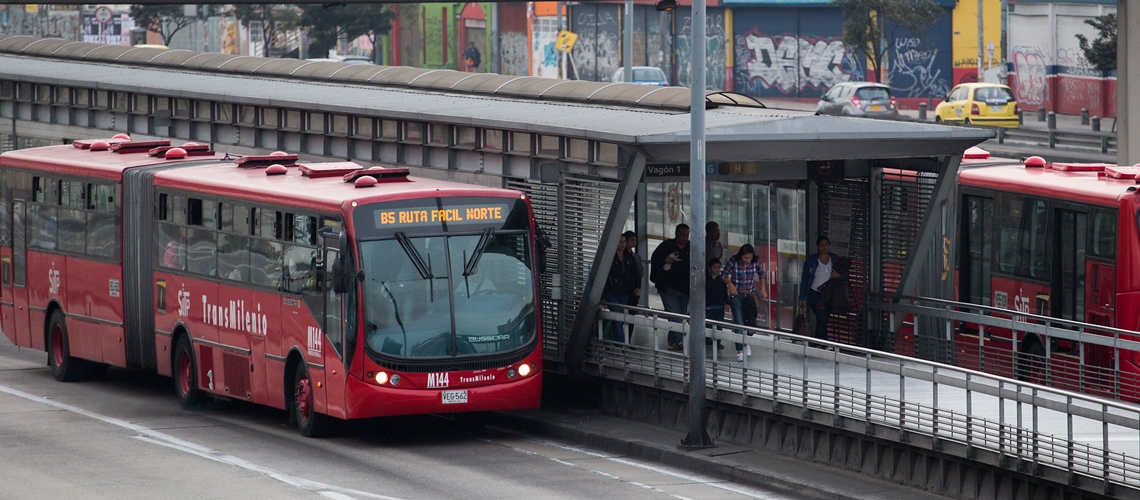
Supporting Pollution Reduction Efforts to Protect the Health of Egyptians and Spur Economic Recovery

Recent studies highlighting the adverse impact of pollution on growth estimate that the annual economic cost of air pollution on health in the Greater Cairo area alone is about 1.4 percent of Egypt’s Gross Domestic Product.
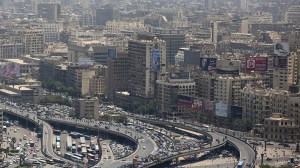
Healthy citizens are the cornerstone of every country’s development and are integral for sustainable economic growth. Given the many health hazards of pollution—from cancer to respiratory ailments and much more—it is increasingly becoming recognized as an impediment to growth and development. Recent global efforts to minimize pollution, through initiatives such as the Sustainable Development Goals (SDGs) and The Paris Agreement, aim to set global guidelines for countries in order to reduce pollution. 

Continue reading

Global Gas Flaring Tracker Report

HighlightsGGFR_report_cover2

  • Gas flaring, the burning of natural gas associated with oil extraction, takes place due to a range of issues, from market and economic constraints, to a lack of appropriate regulation and political will. The practice results in a range of pollutants released into the atmosphere, including carbon dioxide, methane and black carbon (soot).
  • The Global Gas Flaring Tracker finds that oil production declined by 8% (from 82 million barrels per day (b/d) in 2019 to 76 million b/d in 2020), while global gas flaring reduced by 5% (from 150 billion cubic meters (bcm) in 2019 to 142 bcm in 2020).
  • Russia, Iraq, Iran, the United States, Algeria, Venezuela and Nigeria remain the top seven gas flaring countries for nine years running. These seven countries produce 40% of the world’s oil each year, but account for roughly two-thirds (65%) of global gas flaring.

Continue reading

Turning the Tide on Marine Plastics in South Asia

South Asia is the third largest contributor to global plastic waste. It generates 334 million metric tons of solid waste every year. Nearly 70-80% of this waste ends up in the ocean 12% is plastic. On current trends, if no action is taken, the amount of mismanaged waste (including plastic) across South Asia is projected to double to 661 million tons by 2050, adversely affecting the region’s ocean ecosystems, livelihoods, human health, and sustainable development more broadly. COVID-19 has further exacerbated plastic pollution, with increased demand for single-use plastic and pressure on solid waste management systems.

Event Link

Continue reading

Time to decarbonize transport for a green, resilient and inclusive recovery

At a time when we face enormous challenges brought on by the COVID-19 pandemic, it is heartening to see the world mobilizing as never before to tackle the looming crisis of global warming. From renewable energy to carbon markets to sustainable agriculture, countries are taking steps to address emissions and enhance resilience.  The international development community is also stepping up. In 2020, the World Bank Group reached its highest ever level of climate financing, at $21.4 billion, and we recently announced our plan to align all-new World Bank operations with the Paris Agreement by July 2023.

Continue reading

Deploying Digital Tools to Withstand Climate Change in Low-Income Countries

STORY HIGHLIGHTS

  • Climate change is increasing the frequency of natural hazards.
  • Disaster risk management specialists have improved the ability of countries to respond to risks, using a variety of digital technologies.
  • Mapping, micro-tasking and visualizing tools are critical to reduce the impact of climate change in the world’s poorest countries.

Continue reading

World Bank Financing for COVID-19 Vaccine Rollout Reaches $2 Billion

Financing for the poorest countries is on grant or highly concessional terms

Kuala Lumpur, Malaysia. 03rd Mar, 2021. A healthcare worker holds a vial of the Pfizer-BioNTech Covid-19 vaccine during the first phase of the country nationwide vaccination drive at the Hospital UiTM in Sungai Buloh, outskirts of Kuala Lumpur. Credit: SO

WASHINGTON, April 20, 2021— The World Bank announced today that it has reached $2 billion in approved financing for the purchase and distribution of COVID-19 vaccines for 17 developing countries. This financing is part of the $12 billion envelope over 24 months for developing countries to acquire and deploy vaccines and strengthen their vaccination systems. For poorer countries financing is on grant or highly concessional terms. The Bank expects to support 50 countries with $4 billion financing for COVID-19 vaccines by mid-year.

Continue reading

Message of His Holiness Pope Francis to the World Bank Group and International Monetary Fund

I am grateful for the kind invitation to address the participants in the World Bank Group and International Monetary Fund 2021 Spring Meetings by means of this letter, which I have entrusted to Cardinal Peter Turkson, Prefect of the Holy See’s Dicastery for Promoting Integral Human Development.

Continue reading

Webinar Recap WBG/IMF Spring Meetings

Key Green Transitions: How Systems Are Changing for People and Planet

#GreenRecoveryWBG

Everyone should be able to live a sustainable life on a healthy planet. But the last six years have been the hottest on record. Record-breaking wildfires, droughts, floods and hurricanes have taken lives, damaged homes, hospitals and businesses. Meanwhile, COVID-19 took a heavy health and economic toll and pushed millions into extreme poverty.

COVID-19: Vaccines for Developing Countries

The rollout of COVID-19 vaccines in developing countries is critical to protecting lives, building human capital, and stimulating economic recovery. The current crisis is exacerbating inequalities throughout the world and, without access to vaccines, the gap will widen further.This event begins with voices of youth from around the world reflecting on the impact of the pandemic and their hopes for a speedy recovery with a return to school, friends, and family.World Bank Group President David Malpass then describes what vaccines mean for the world, what needs to be done to accelerate production and ensure safe and effective distribution to developing countries, and the importance of collaboration amongst all stakeholders for a sustainable and inclusive recovery