Interested in Doing Business with the World Bank Group? Please see selected opportunities below.
Procurement Framework and Regulations for Projects After July 1, 2016 (worldbank.org)


Interested in Doing Business with the World Bank Group? Please see selected opportunities below.
Procurement Framework and Regulations for Projects After July 1, 2016 (worldbank.org)
Financing focuses on helping countries reduce GHG emissions and adapt to mounting impacts of climate change
WASHINGTON, September 7, 2022 – The World Bank Group delivered a record $31.7 billion in fiscal year 2022 (FY22) to help countries address climate change. This is a 19% increase from the $26.6 billion all-time high in financing reached in the previous fiscal year. The Bank Group continues to be the largest multilateral financier of climate action in developing countries.
Interested in Doing Business with the World Bank Group? Please see selected opportunities below.
Procurement Framework and Regulations for Projects After July 1, 2016 (worldbank.org)
Interested in Doing Business with the World Bank Group? Please see selected opportunities below.
Procurement Framework and Regulations for Projects After July 1, 2016 (worldbank.org)
Food lines that stretch across multiple city blocks. Spiraling unemployment. Out-of-control inflation. Unsustainable debt. These issues, which traumatized many economies across Latin American in the 1980s, continue to reverberate today and, given current economic conditions, you could be forgiven for fearing that history is about to repeat itself.
However,
The debt crises of the 1970s and 1980s were searing experiences that find an echo in today’s troubles. Then, as now, Latin American countries had large debt loads. Then, as now, the global economy experienced unique macroeconomic shocks that sent inflation soaring (the Arab oil embargo then; the pandemic and Ukraine war now). And then, as now, central banks around the world – especially the US Federal Reserve – were raising rates to fight inflation.
WASHINGTON, July 29, 2022 – Some additional 2 million people will benefit from a second Global inflation has risen sharply from its lows in mid-2020, on rebounding global demand, supply bottlenecks,
and soaring food and energy prices, especially since the Russian Federation’s invasion of Ukraine. Markets expect inflation to peak in mid-2022 and then decline, but to remain elevated even after these shocks subside and
monetary policies are tightened further. Global growth has been moving in the opposite direction: it has declined sharply since the beginning of the year and, for the remainder of this decade, is expected to remain below the
average of the 2010s. In light of these developments, the risk of stagflation—a combination of high inflation and sluggish growth—has risen. The recovery from the stagflation of the 1970s required steep increases in
interest rates by major advanced-economy central banks to quell inflation, which triggered a global recession and a string of financial crises in emerging market and developing economies (EMDEs). If current
stagflationary pressures intensify, EMDEs would likely face severe challenges again because of their less well anchored inflation expectations, elevated financial vulnerabilities, and weakening growth fundamentals. This
makes it urgent for EMDEs to shore up their fiscal and external buffers, strengthen their monetary policy frameworks, and implement reforms to reinvigorate growth. Phase of the West Africa regional Food Systems Resilience Program (FSRP-2) approved today for a total amount of $315 million in International Development Association (IDA*) financing. FSRP-2 will support Chad, Ghana and Sierra Leone to increase their preparedness against food insecurity and to improve the resilience of their food systems. This comes at a moment where it is projected that approximately 38.3 million people in West Africa are projected to be in food security crisis.
Global Economic Prospects — June 2022 (worldbank.org)
The shockwaves of the war in Ukraine hit many countries while they were still reeling from the COVID-19 pandemic. For many developing countries, the fiscal challenges have mounted ever since—the result of surging food, fertilizer and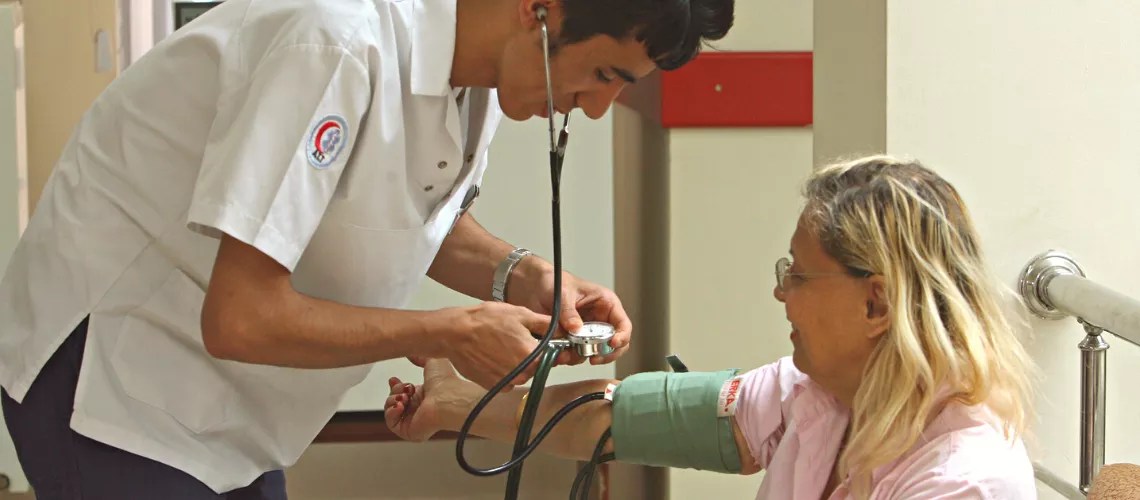 energy prices, rising interest rates, and slowing growth.
In response to the overlapping crises, nearly all countries increased their overall government and health spending. But only a few of them—mostly high-income countries—will be able to sustain these levels in the years ahead. Improving domestic resource mobilization, especially in a way that can sustainably broaden tax bases, will be crucial.
It is often said that “a picture is worth a thousand words.“ This is particularly the case in the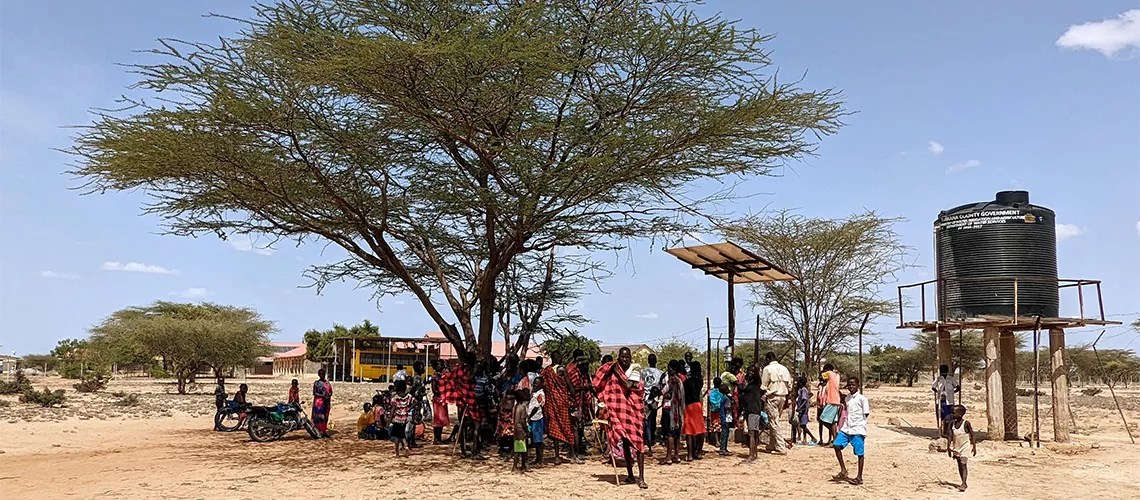 Horn of Africa’s (HoA) borderlands, where images can send an unequivocal message as to the value of water both as part of local and regional approaches to resilience building.
Maps and the use of geographical information systems (GIS) are also key tools in understanding the value of ‘unseen’ resources such as groundwater, a topic that will be at the forefront of the discussions among international water experts at the upcoming World Water Week in Stockholm, Sweden.
Interested in Doing Business with the World Bank Group? Please see selected opportunities below.
Procurement Framework and Regulations for Projects After July 1, 2016 (worldbank.org)
 Netherlands for the World Bank
You must be logged in to post a comment.