The World Bank Team at the Royal Netherlands Embassy tweets about news related to Dutch organizations interested in working with the #WorldBank. #NL4WorldBank
WASHINGTON, May 3, 2023 – The Executive Directors of the World Bank today selected Ajay Banga as President of the World Bank for a five-year term beginning June 2, 2023.
Cities, as engines of prosperity, are major contributors to climate change, generating about 70% of global greenhouse gas emissions. At the same time, as home to more than half of humanity, cities are on the front lines of climate change.
New analysis from the World Bank examines the two-way relationship between cities and climate change, concluding that cities also hold one of the keys to solving the climate crisis. With data from more than 10,000 cities, the report offers insight into how to help cities become greener, more resilient, and more inclusive – in other words, on how to help their cities thrive – in a changing climate.
As the U.S. continues to experience historically high inflation rates and increasing risks to its economy, it also faces a number of global geoeconomic challenges. These include the end of the era of globalization, rising financial instability and pressures to increase the production of certain strategically important goods for domestic use or export to friendly neighbors. Meanwhile, the U.S. and other countries are also contending with the economic implications of social, political and technological developments, such as population aging, greater competition from abroad, growing inequality, innovation and its impact on the labor market, and the global transition to cleaner energy sources.
On May 22 at Baker Hall, World Bank Group President David Malpass joined John W. Diamond, Director of the Center for Public Finance at the Baker Institute, to discuss the geoeconomic challenges — and opportunities — facing the United States and the world, and how to navigate them.
A quick scan of the headlines tells you everything that those of us working in international development already know: today’s world is not business as usual. In just a few short years, the global landscape has transformed in a way that very few of us could ever have anticipated.
Brazil is highly exposed to climate change risks. The impacts of global climate change risks and local practices on the Amazon and Cerrado biomes are of particular concern, as they provide vital ecosystem services to Brazil, the South American region, and the world. The Brazil Country Climate and Development Report (CCDR) examines the implications of climate change and climate action for Brazil’s development objectives and priorities. It identifies opportunities for Brazil to achieve both its development goals and its climate commitments. It lays out a combination of sectoral and economy-wide policy reforms, as well as targeted investments in near- and medium-term mitigation and adaptation measures to achieve more rapid and inclusive development with lower greenhouse gas (GHG) emissions. The idea is to maximize synergies between climate and development objectives, while addressing trade-offs among policy objectives and key transition challenges.


 below.
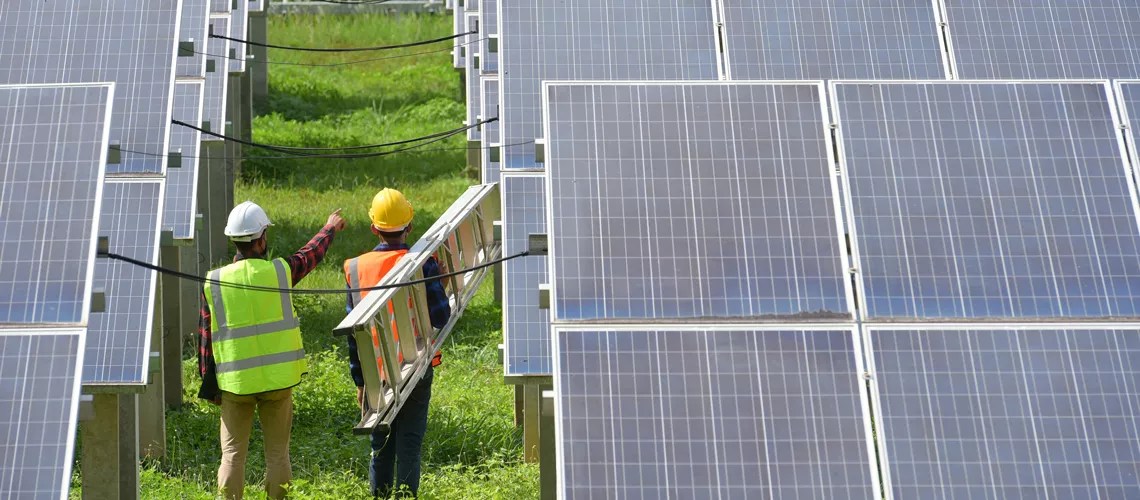 development already know: today’s world is not business as usual. In just a few short years, the global landscape has transformed in a way that very few of us could ever have anticipated.

You must be logged in to post a comment.