
Tag Archives: World Bank
Webinar recap: Fraud and Corruption in Multilateral projects: Perspectives, challenges and experiences
Hosted by: Private Sector Liaison Netwerk in Washington D.C. on Thursday May 27
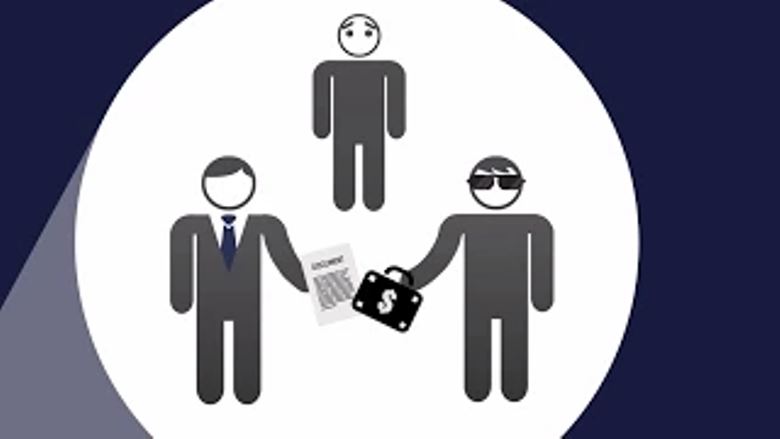
The session was organized by the Private Sector Liaison Network in Washington D.C. to give the private sector the opportunity to get more insight in multilateral organizations compliance and integrity rules and regulations
Speakers:
- Brian Whisler: Partner Baker McKenzie LLP
- Pascal Dubois: Former Vice President Integrity,World Bank Group
- Juan Ronderos: Sanctions Officer for the Inter-American Development Bank Group
Webinar Recording Link : Password: Baker2021!
World Bank Group Youth Summit 2021: Resilient Recovery for People and Planet
Established in 2013, the Youth Summit is an annual event hosted by the World Bank Group  (WBG) to engage with youth globally on the most pressing topics facing our generation. The WBG Youth Summit is an affiliate of the Youth-to-Youth (Y2Y) network, the largest volunteer organization at the WBG, which aims to inspire and empower youth within and outside the institution. The primary goals of the Youth Summit are to:
- Empower youth to explore innovative ideas to tackle development challenges
- Provide youth with the tools to build and engage in impactful projects
- Promote dialogue between youth, the WBG, and other key stakeholders globally
Transitions at the Heart of the Climate Challenge
STORY HIGHLIGHTS
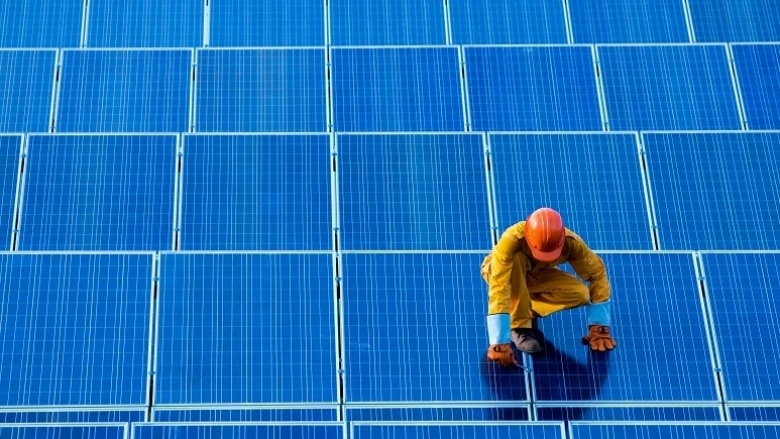
- The World Bank Group is increasing its financing to help countries address the pandemic and climate change, because a sustainable future depends on the decisions countries make today.
- To clean up energy systems, it will be important to drive action on multiple fronts including renewable energy, energy efficiency, and a just transition from coal.
- To tackle food insecurity and protect forests, climate-smart agriculture and nature-based solutions will need to be scaled up.
Imagine a world where farms grow nutritious food and raise healthy livestock without harming the environment. Where every village, town and city are powered by clean energy and cities have safe, affordable, and non-polluting transit systems. Where people have jobs that drive the sustainable growth story of the future. This world is within our reach, but only if we confront the challenges we face today.
Five reasons to be concerned about the shadow economy
Informal activity—sometimes dubbed the “shadow economy”—is widespread in emerging 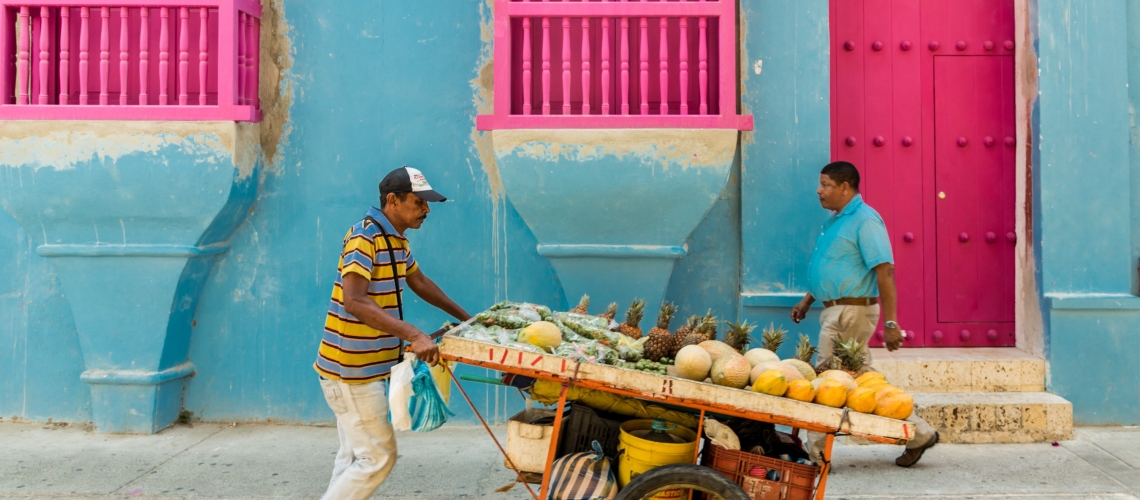 market and developing economies. Its pervasiveness is of particular concern at the current juncture, because it may make it harder for these economies to achieve the inclusive development that is needed to undo the damage of the COVID-19 pandemic.
Carbon Prices now Apply to Over a Fifth of Global Greenhouse Gases
Carbon pricing generated $53 billion in revenue in 2020-21, but despite progress, carbon pricing efforts are not on track to meet Paris Agreement goals, new World Bank report finds
WASHINGTON, May 25, 2021 — A total of 64 carbon pricing instruments are now in operation around the world, covering over 20% of global greenhouse gas emissions and generating $53 billion in revenue. According to the World Bank’s annual “State and Trends of Carbon Pricing” report released today, these advances represent a 17% increase in revenue from last year, However the full potential of carbon pricing remains largely untapped.
Thinking Inside the ‘Box’: Pakistan Turns to Education TV During COVID-19
Story Highlights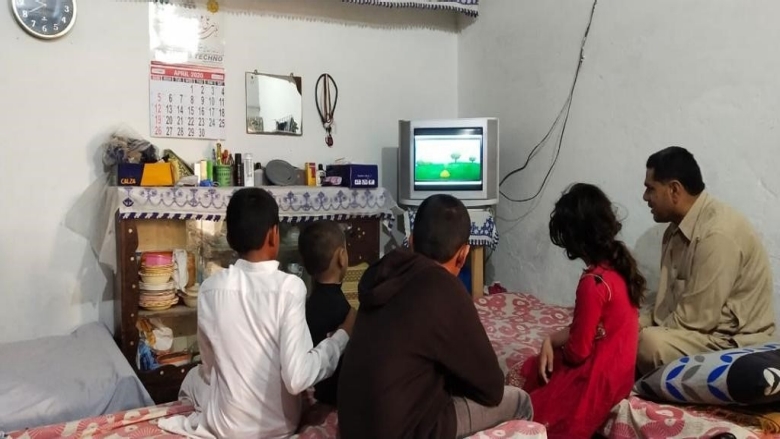
- In response to the COVID-19 pandemic, Pakistan quickly deployed the federal program TeleSchool for Pakistani students, and the provincial program Taleem Ghar for students in Punjab.
- Viewership of these two initiatives was high during the first six months due to leveraged resources and stakeholders and a phased roll out approach, although awareness and use decreased right after.
- Key challenges include improving student engagement, enhancing lesson content, increasing viewership, and leveraging TV lessons beyond the pandemic as part of blended learning.
How Digital Integration has Transformed Kenya’s Transport Sector
STORY HIGHLIGHTS 

- Digital technology has revolutionized Kenya’s transportation sector, making it easier and more secure to access essential transport services
- The Transport Integrated Management System electronic data platform has reduced processing times for some services from months to days
- The growth of Kenya’s ICT sector has become a significant driver of economic development and job creation in all areas
The Distributional Impacts of Trade: Empirical Innovations, Analytical Tools, and Policy Responses
Global trade will play a critical role in driving economic recovery from the COVID-19 pandemic,

ensuring the flow of food, medical supplies, and vaccines, and contributing to poverty reduction. But policies must be in place to ensure that gains from trade are spread across regions, industries, and workers in developing countries.
World Bank Support for Country Access to COVID-19 Vaccines
As of May 13, 2021, the World Bank Board approved operations to support vaccine

rollout in 22 countries amounting to $2.4 billion. See the latest project financing, project documents and procurement information in the list below. More information will be shared here as it becomes available. We expect to reach 50 countries amounting to $4 billion by mid-year.


You must be logged in to post a comment.