$30 billion available for implementation to address food insecurity over next 15 months
WASHINGTON, May 18, 2022—The World Bank today announced actions it plans to take as part of a comprehensive, global response to the ongoing food security crisis, with up to $30 billion in existing and new projects in areas such as agriculture, nutrition, social protection, water and irrigation. This financing will include efforts to encourage food and fertilizer production, enhance food systems, facilitate greater trade, and support vulnerable households and producers.
“Food price increases are having devastating effects on the poorest and most vulnerable,” said World Bank Group President David Malpass. “To inform and stabilize markets, it is critical that countries make clear statements now of future output increases in response to Russia’s invasion of Ukraine. Countries should make concerted efforts to increase the supply of energy and fertilizer, help farmers increase plantings and crop yields, and remove policies that block exports and imports, divert food to biofuel, or encourage unnecessary storage.”
The World Bank is working with countries on the preparation of $12 billion of new projects for the next 15 months to respond to the food security crisis. These projects are expected to support agriculture, social protection to cushion the effects of higher food prices, and water and irrigation projects, with the majority of resources going to Africa and the Middle East, Eastern Europe and Central Asia, and South Asia. In addition, the World Bank’s existing portfolio includes undisbursed balances of $18.7 billion in projects with direct links to food and nutrition security issues, covering agriculture and natural resources, nutrition, social protection, and other sectors. Altogether, this would amount to over $30 billion available for implementation to address food insecurity over the next 15 months. This response will draw on the full range of Bank financing instruments and be complemented by analytical work.
The World Bank Group’s global response will address four priorities:
- Support production and producers: Take actions to enhance next season’s production by removing input trade barriers, focusing on more efficient use of fertilizers, and repurposing public policies and expenditures to better support farmers and output.
- Facilitate increased trade: Build international consensus (G7, G20, others) and commitment to avoid export restrictions that increase global food prices and import restrictions that discourage production in developing countries.
- Support vulnerable households: Scale up targeted, nutrition-sensitive social protection programs and replenish early-response financing mechanisms.
- Invest in sustainable food and nutrition security: Strengthen food systems to make them more resilient to rising risks (conflict, climate, pests, diseases), trade disruptions and economic shocks – balance immediate/short-term needs with long-term investments.
The World Bank gained extensive experience in response to the 2007-2008 global food price crisis through the temporary Global Food Crisis Response Program (GFRP) that received donor contributions and channeled funds to 49 affected countries through 100 projects. Since then, the Bank had built up new tools dedicated to responding to food security crises, including the IDA Crisis Response Window. The World Bank also hosts the Global Agriculture and Food Security Program (GAFSP), which is an existing financial intermediary fund dedicated to improving food security in low-income countries and could be replenished to help fund the response to the current global food crisis.
Contacts
Washington D.CDavid Theis
202-458-8626
dtheis@worldbankgroup.org

 audiences in open and two-way conversations about international development.
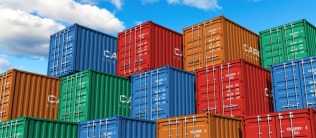 felt the impact of the global supply chain crisis. Pandemic-induced spikes in consumer sales and labor shortages triggered artery-clogging nightmares for some of the world’s busiest ports. At the most serious end of the spectrum, this has contributed to food shortages. But maritime backlogs can delay the delivery of everything ranging from clothes to couches to cars.
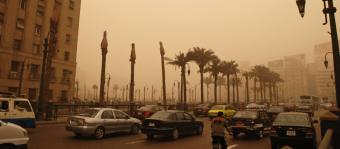 increases the risk of a wide range of cardiovascular and respiratory diseases. Yet the exposure to and impact of air pollution are not equally distributed. Air pollution is particularly prevalent in industrializing developing economies. Less stringent
  developments of these markets is critical to the design of policy frameworks that facilitate the economic objectives of sustainable growth, inflation stability, poverty reduction, food security, and the mitigation of climate change. This study is the first comprehensive analysis examining market and policy developments for all commodity groups, including energy, metals, and agriculture, over the past century. It finds that, while the quantity of commodities consumed has risen enormously, driven by population and income growth, the relative importance of commodities has shifted over time, as technological innovation created new uses for some materials and facilitated substitution among commodities. The study also shows that commodity markets are heterogeneous in terms of their drivers, price behavior, and macroeconomic impact on emerging markets and developing economies, and that the relationship between economic growth and commodity demand varies widely across countries, depending on their stage of economic development. Policy frameworks that enable countercyclical macroeconomic responses have become increasingly common—and beneficial. Other policy tools have had mixed outcomes.
 around the world, review my bank account, or even order food. But even in our hyper-connected, data-driven world, it’s exceedingly difficult to pin down government debt – even for researchers with advanced skills and access to big databases. And that’s not for lack of trying.
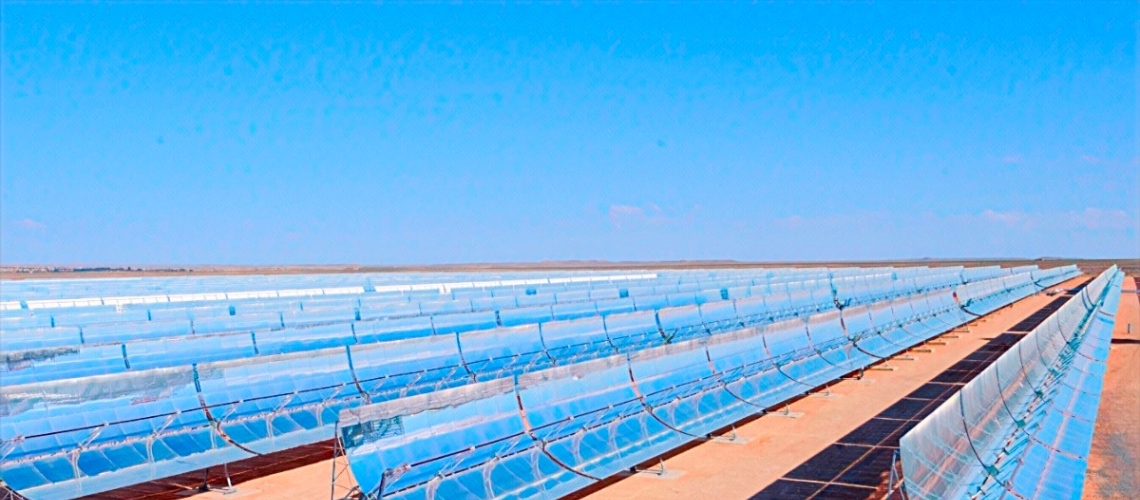 investment

You must be logged in to post a comment.