
In debates about how to finance the growing bill for climate change, many worry where we 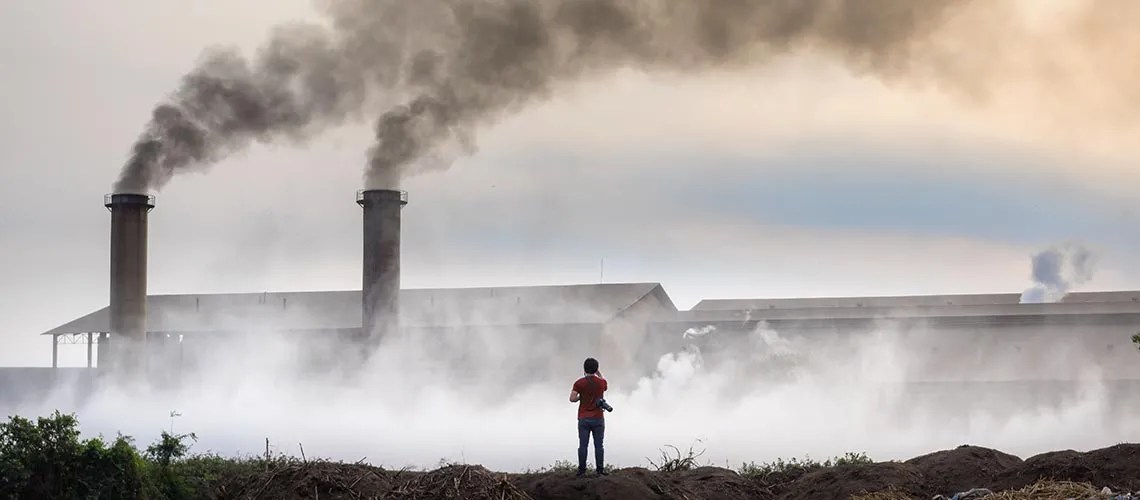 can find the money.
There is reason to worry. As part of the Paris Agreement, the world’s wealthier countries reaffirmed their commitment to mobilize at least $100 billion of climate financing annually to help developing countries to adapt to climate change, invest in renewable energies and achieve low-carbon development. But getting there is a work in progress.

 whether it be at a national scale or that of a particular organization, there is always a residual unexplained element. It may be attributed to culture, systems, or other factors, but one catalytic ingredient is almost always leadership.
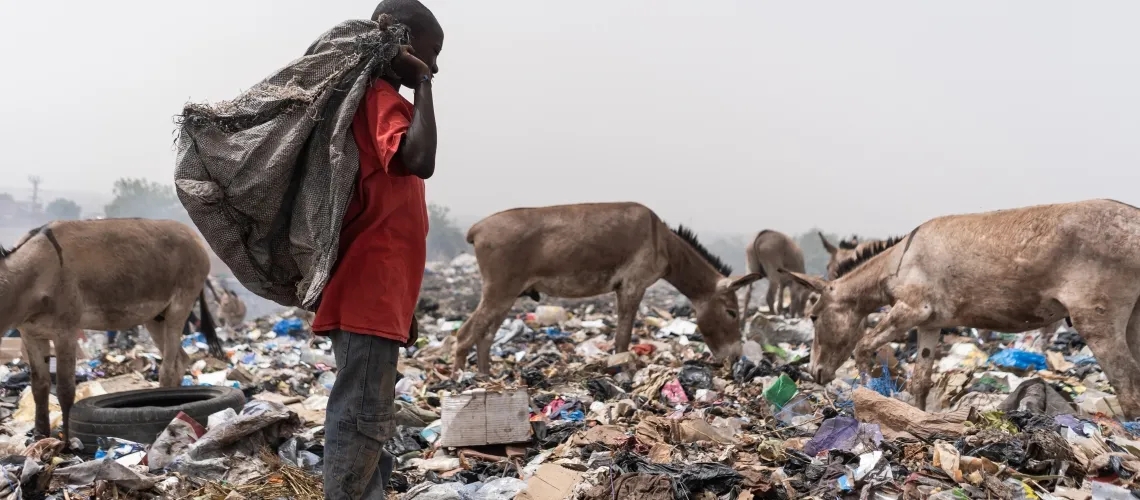 turtles choking on plastic debris, zooming out to show beaches and communities laden with trash, and panning to medical reports showing microplastic in the average person’s bloodstream.
 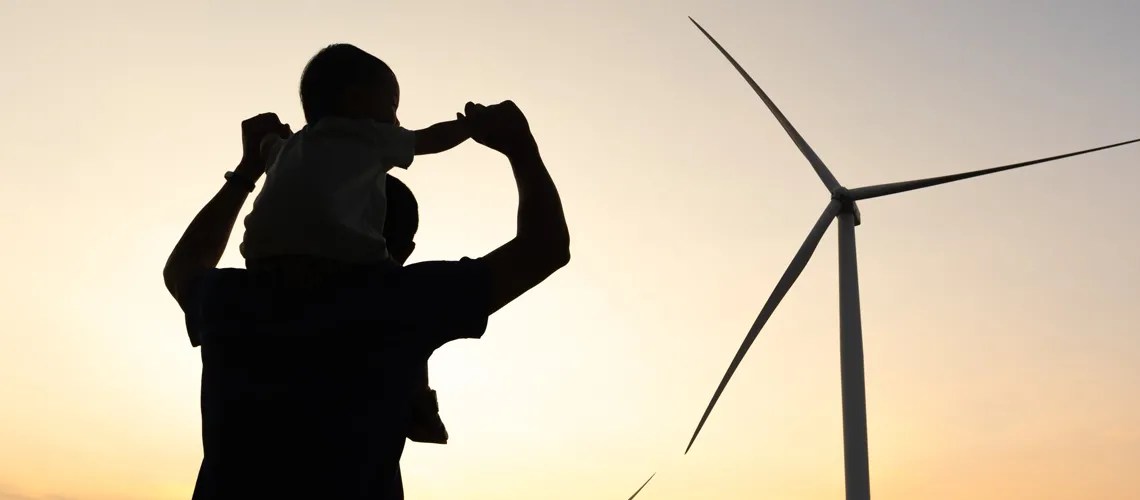 look at how international financing can bring solutions to countries facing mounting crises from climate change to poverty and pandemics. This is an opportune time to focus on how international finance can jumpstart the clean energy transition, especially for the countries most vulnerable to climate change.
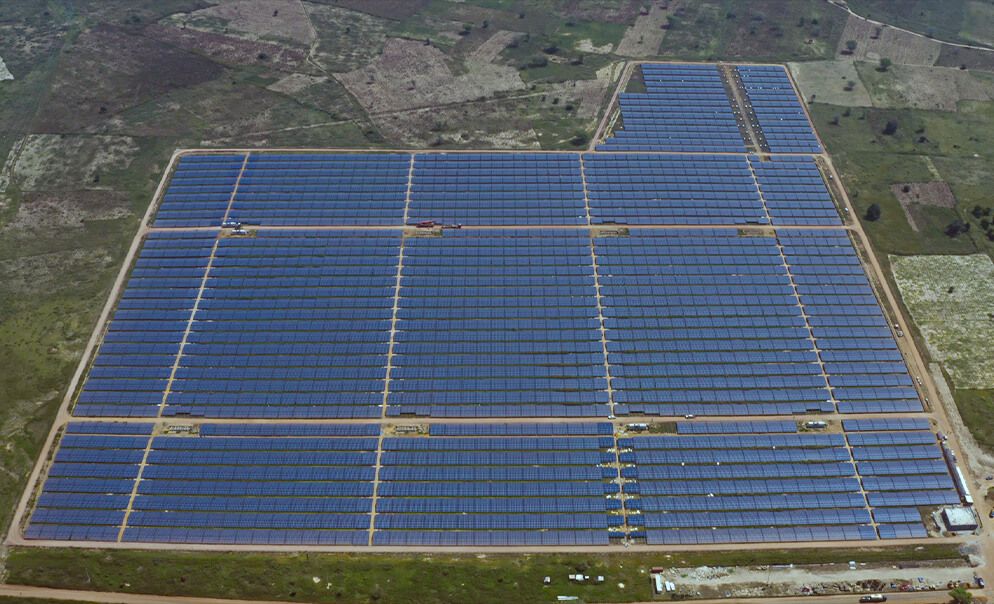 global climate crisis.
 more restrictive credit conditions. The possibility of more widespread bank turmoil and tighter monetary policy could result in even weaker global growth and lead to financial dislocations in the most vulnerable emerging market and developing economies (EMDEs). Comprehensive policy action is needed to foster macroeconomic and financial stability. Among many EMDEs, and especially in low-income countries, bolstering fiscal sustainability will require generating higher revenues, making spending more efficient, and improving debt management practices. Continued international cooperation is also necessary to tackle climate change, support populations affected by crises and hunger, and provide debt relief where needed.

You must be logged in to post a comment.