
The upcoming Summit for a New Global Financing Pact will bring together global leaders to  look at how international financing can bring solutions to countries facing mounting crises from climate change to poverty and pandemics. This is an opportune time to focus on how international finance can jumpstart the clean energy transition, especially for the countries most vulnerable to climate change.
Tag Archives: World Bank
Climate Change in Africa
How the private sector is rising to meet the challenges of a global crisis
Across Africa, the private sector is rising to the pressing challenges posed by the 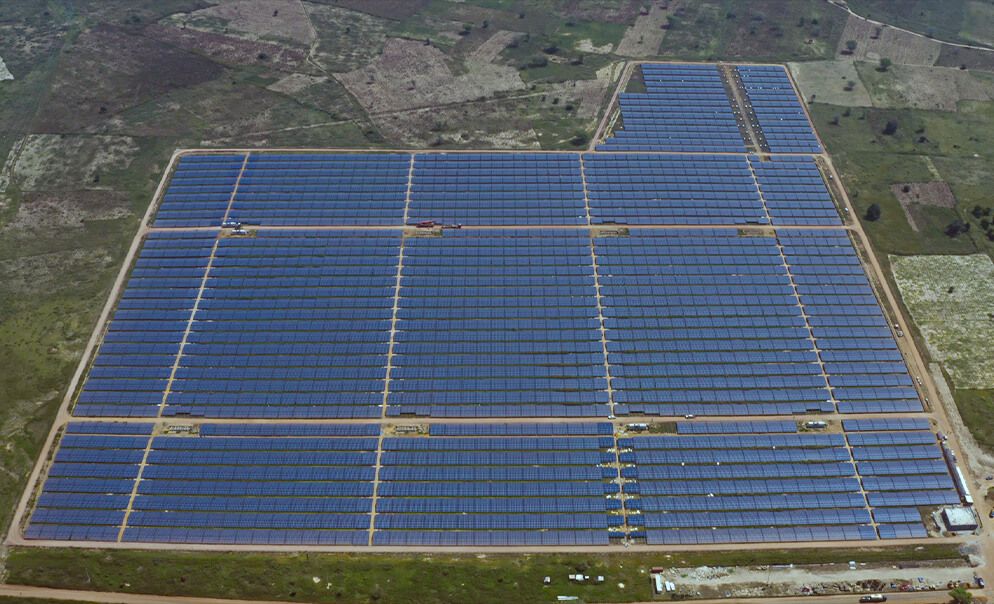 global climate crisis.
From housing and energy to transport and agriculture, businesses on the continent are delivering strategies, technologies, and projects that are reducing the human impact on the environment, while supporting jobs, reducing poverty, and furthering development.
Weakening Growth, Financial Risks
Global Economic Prospects
Global growth is projected to slow significantly amid high inflation, tight monetary policy, and  more restrictive credit conditions. The possibility of more widespread bank turmoil and tighter monetary policy could result in even weaker global growth and lead to financial dislocations in the most vulnerable emerging market and developing economies (EMDEs). Comprehensive policy action is needed to foster macroeconomic and financial stability. Among many EMDEs, and especially in low-income countries, bolstering fiscal sustainability will require generating higher revenues, making spending more efficient, and improving debt management practices. Continued international cooperation is also necessary to tackle climate change, support populations affected by crises and hunger, and provide debt relief where needed.
Want More Investment in African Infrastructure? Think Better Quality Institutions
An Article on How Institutional Reform Can Attract More Private Investment in Infrastructure.
A greater focus on regulatory quality and institutional reforms would bring much-needed extra private sector investment in Sub-Saharan Africa’s infrastructure, a new IFC study finds. Improvements in areas like strengthening the rule of law and lowering corruption levels would boost private investment by up to 0.8 percent of GDP over four years—or $20 billion. The benefits would reverberate across sectors including energy, environment, municipal services, telecommunications, information technology, transportation, and water
The Birth of a Start-Up Support System
By Olivier Monnier and Abdoul Maiga
Tired of seeing plastic waste littering the streets of Ouagadougou, the capital of Burkina Faso, engineer Calvin Tiam took matters into his own hands.
With the help of Burkinabé and French research institutes, Tiam developed a technique for making furniture, roofing, and beacons from recycled polyethylene plastic packaging.
Investments in Africa
These are certainly challenging times. And in these challenging times, in Africa, the private  sector is doing interesting things.
The nine stories in this second edition of IFC Insights Africa, published for the 2023 Africa CEO Forum in Abidjan, Côte d’Ivoire, showcase the innovative ways African businesses—both large and small—are addressing some of the continent’s most pressing challenges, and improving lives and creating jobs while doing it.
Investing in Human Capital for a Greener Future
Ministers of Finance and global thought leaders came together to champion investments in people to build resilience, help mitigate greenhouse gas emissions, and accelerate the green transition.
The Parallel Exchange Rate Problem: The World Bank’s Approach to Helping People in Developing Countries
The deterioration of economic conditions over the past few years and the growing depreciation pressures facing developing countries have led to a rise in the number of countries with active parallel currency markets. Currently, around 24 emerging and developing economies (EMDEs) have active parallel currency markets. In at least 14 of them, the exchange rate premium—the difference between the official and the parallel rate—is a material problem, exceeding 10 percent (see the table).
Once again, IDA steps up with flexibility and resources amid crises
It feels like a lifetime ago, but somehow also like it was yesterday, that the COVID-19 crisis descended upon our lives. It caused unimaginable upheaval—reversing gains and creating colossal new demands. As well-resourced countries worked quickly to protect their people, the World Bank’s International Development Association (IDA) stepped up to ensure the poorest people were not left behind in this race to recovery.
State and Trends of Carbon Pricing 2023
STORY HIGHLIGHTS
- Food insecurity is among the most pressing challenges in Yemen and over half of the population is food insecure.
- Yemen has suffered from a series of food crises and climate change increases the risk of further crises.
- A food security crisis preparedness plan has been developed to mitigate the impact of future food crises.
 Netherlands for the World Bank
You must be logged in to post a comment.