
As the debt crisis has unfolded in many of the world’s poorest countries, much attention has  focused on seeking individual debt restructurings through the G20 Common Framework. This remains a priority, but the implementation remains slow and lacks the predictability needed to provide debtors and creditors with confidence. The Global Sovereign Debt Roundtable and the April 26 World Bank debt conference, Breaking the Impasse in Global Debt Restructuring, discussed effective debt restructurings and debt sustainability. The conference also addressed how to avoid excessive debt build-up; and pressing questions regarding the debt sustainability implications of a decline of net international reserves into negative territory as countries draw on debt-like instruments such as swap lines. Following this week’s G7 Finance Ministers and Central Bank Governors meeting in Japan, we will publish the initial findings from a recent debt reconciliation initiative, which points to many technical challenges in agreeing on the amounts of debt to be treated in a restructuring.
Tag Archives: World Bank Group
Impactful climate mitigation requires standards, verification and standardization
Climate costs and development together need vast new resources. For developing countries, 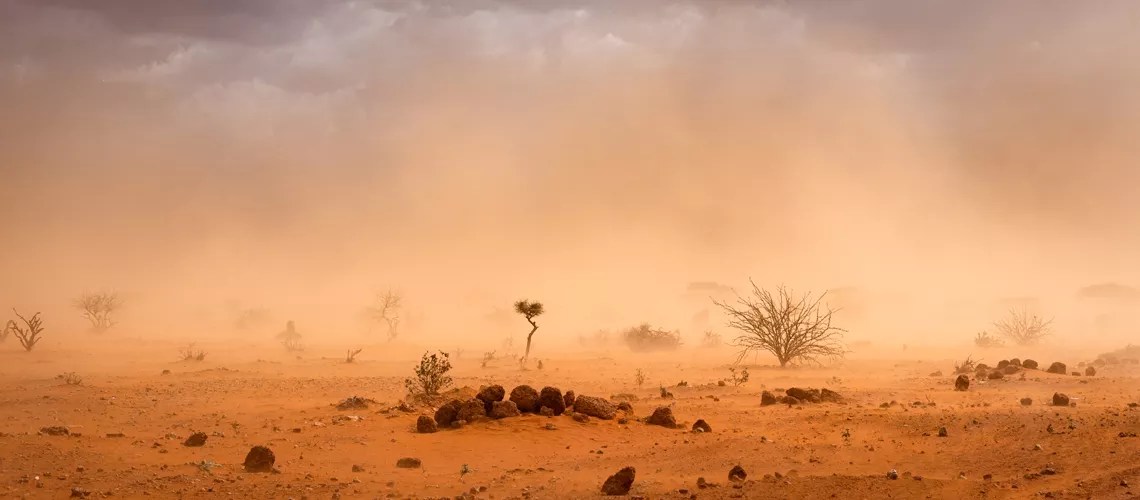 the needs are particularly large to provide for growing populations and decades of underinvestment. They need to make major advances on education, energy production, electricity access, health, infrastructure and nutrition just to make up for losses in recent years. Climate costs require significant additional resources, as does the increase in the cost of debt service and repayment.
WBG Procurement Opportunities
Interested in Doing Business with the World Bank Group? Please see selected opportunities below.
Procurement Framework and Regulations for Projects After July 1, 2016 (worldbank.org)
Investing in Innovation: David Malpass in Conversation With George French
How to make India pandemic proof
As COVID-19 abates, the question everyone is asking is: how ready is my country for the next pandemic? The speed with which the virus spread exposed the many weaknesses in the world’s health systems. No country was immune. Even those that ranked high in the Global Health Security Index struggled to mount a timely and effective response.
Food Security Update | World Bank Response to Rising Food Insecurity
WASHINGTON, May 3, 2023 – The Executive Directors of the World Bank today selected Ajay Banga as President of the World Bank for a five-year term beginning June 2, 2023.
Meeting Vietnam’s climate financing challenge
Vietnam is on the frontlines of the climate crisis, with increasingly destabilized water and food supplies and threatened coastal areas. In the face of these challenges, the government is showing bold leadership and climate ambition. The recently updated Nationally Determined Contribution (NDC) significantly increased targets for emissions reductions across several key sectors. Vietnam has also translated global pledges on forests and methane into specific national action plans and policy priorities.
What is missing, however, is the financing needed to achieve these goals. Carbon markets and results-based carbon and climate finance, which pays for emission reductions once they are achieved, have huge potential to help meet this financing challenge. The quickly evolving carbon market ecosystem, however, has many rules, requirements, players, and priorities. The government of Vietnam has requested World Bank Group support in navigating this complexity and identifying opportunities to access carbon finance and market opportunities.
“Vietnam is on the frontlines of the climate crisis, with increasingly destabilized water and food supplies and threatened coastal areas. In the face of these challenges, the government is showing bold leadership and climate ambition.”
Food Security Update | World Bank Response to Rising Food Insecurity
Latest Update – April 24, 2023
Domestic food price inflation remains high around the world. Information from the latest month between December 2022 and March 2023 for which food price inflation data are available shows high inflation in almost all low- and middle-income countries, with inflation levels greater than 5% in 70.6% of low-income countries, 90.9% of lower-middle-income countries, and 87.0% of upper-middle-income countries and many experiencing double-digit inflation. In addition, 84.2% of high-income countries are experiencing high food price inflation. The most-affected countries are in Africa, North America, Latin America, South Asia, Europe, and Central Asia.
Download the latest brief on rising food insecurity and World Bank responses
WBG Procurement Opportunities
Interested in Doing Business with the World Bank Group? Please see selected opportunities below.
Procurement Framework and Regulations for Projects After July 1, 2016 (worldbank.org)
Seminar on Financing Green Hydrogen Projects in Developing Countries

Wednesday May 10 at 15:30-17:00 CET, World Hydrogen Summit Rotterdam 
Join us at the World Hydrogen Summit for a seminar on Financing Green Hydrogen Projects in Developing Countries with the IFIs and Invest International.
 Netherlands for the World Bank
You must be logged in to post a comment.