
“Credit: World Bank Group. All rights reserved”
Tag Archives: World Bank Group
Digital technology is driving the future of jobs
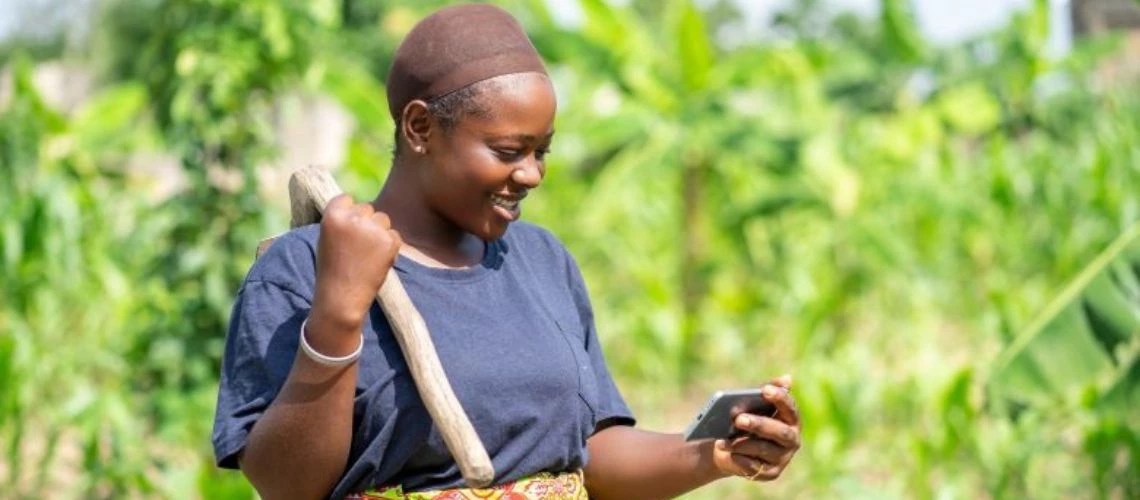
A farmer in Kenya uses mobile apps to get real-time harvesting tips, check market prices, and connect directly with buyers and lenders. A woman in Indonesia takes meal orders and arranges deliveries through social media. A small innkeeper in Jamaica lists rooms on booking platforms and manages reservations online. A street vendor in Dakar sells handmade jewelry across Africa using just her smartphone. And in Manila, a university student teaches math to high schoolers in remote areas via an online e-learning platform.
Continue readingAccelerating Investment: Challenges and Policies

Developing economies have an acute need for higher investment. Investment is the engine that builds productive capacity, modernizes infrastructure, sets the stage for job growth, and advances countries toward development and climate goals. Yet as development needs have expanded, investment growth has been in a deep slump—a call to action for policy makers, investors, and development practitioners.
Continue readingCan AI give small scale producers the right advice?
The World Bank has long recognized the critical importance of agricultural extension services – ranging from training and data to technology transfer – which make up the second-largest share of its agriculture portfolio. Yet farmers have often been slow to adopt the very methods and tools these services are designed to deliver—limiting their own productivity and the sector’s potential to create jobs.

That’s in large part because they depend on limited numbers of extension agents: the field advisors responsible for providing them with data, training and advice. Most countries have just one extension agent for every 1,000 to 2,000 farmers.
Continue readingTen years of progress and challenges: Insights into global child poverty
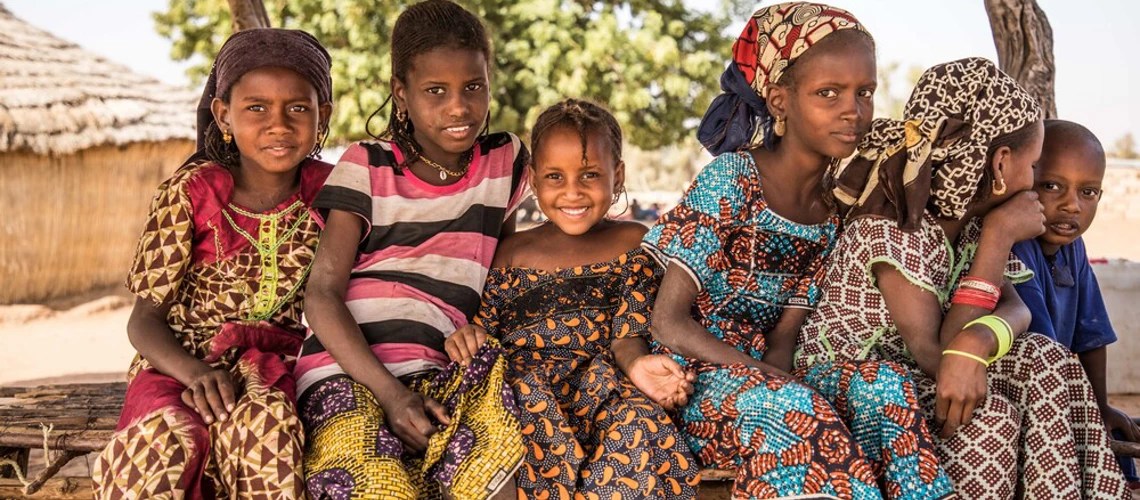
The past decade has seen slow but steady progress toward reducing the number of children who are living in extreme poverty worldwide. Yet despite this progress, children remain disproportionately affected by extreme poverty. They represent over half of the global population living on less than $3.00 per day, even though they make up only 30% of the total population.
Continue readingHow an Urban Program in Ethiopia Delivered More than a Million Jobs
Highlights
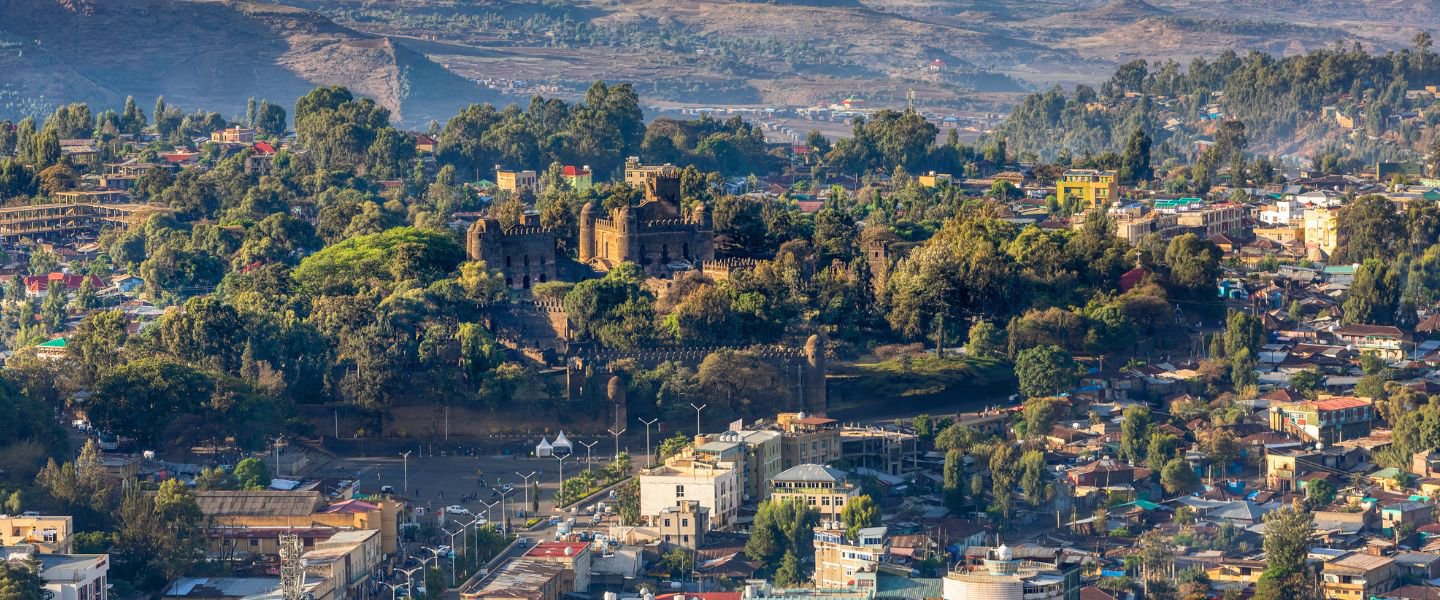
- With World Bank support, over 1.15 million jobs were created as a result of the Ethiopia Urban Institutional and Infrastructure Development Program (UIIDP).
- Infrastructure investments in 117 cities helped improve living conditions for more than 6.6 million people, fueling employment and economic growth.
- Strengthened local governance and financial systems enabled cities to plan, deliver, and sustain job-generating urban development, even amid conflict and pandemic disruptions.
The Global Sanitation Crisis: Pathways for Urgent Action
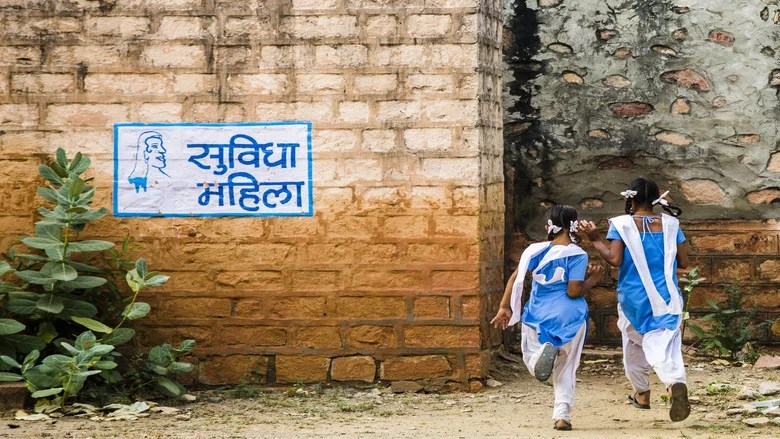
The Global Sanitation Crisis: Pathways for Urgent Action report examines the risks that poor sanitation poses to people, economic growth, and the environment. It outlines practical steps that cities and countries can take to accelerate progress toward universal access to resilient, safely managed sanitation—promoting healthy communities, sustainable environments and reduced greenhouse gas emissions, thriving economies, resilient cities, job creation, and greater human productivity.
Continue reading
Delivering Jobs for People Living in Poverty
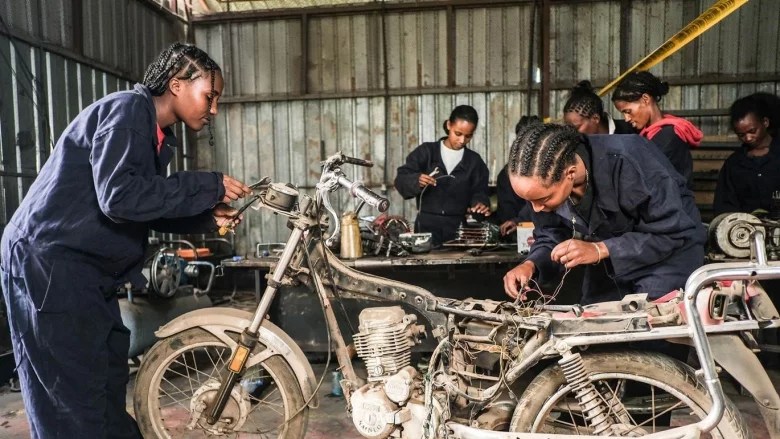
Evidence from India, Niger, and Zambia shows lasting income gains and strong returns from economic inclusion programs— generating up to $3.8 in benefits for every $1 invested within 10 years.
Now more than ever, people need better access to jobs. In emerging markets, 1.2 billion young people will reach working age over the next decade—yet only 420 million jobs are projected to be created. That leaves hundreds of millions, many of them from poor and vulnerable communities, without a clear pathway to a stable income, dignity, and opportunity.
Continue readingNew World Bank Operation Links Fiscal Sustainability and Forest Conservation in Amazonas
WASHINGTON, DC, August 28, 2025 – The World Bank Board of Directors has approved a new operation to boost the environmental governance of the State of Amazonas by enhancing its fiscal sustainability, and mobilizing finance for forest conservation and a low-carbon bioeconomy. This will provide more economic opportunities and jobs for the State’s population, especially Indigenous Peoples, smallholders, and traditional forest-dwelling populations.
Continue readingIn Ethiopia, Reviving Soil and Improving Farming Livelihoods
STORY HIGHLIGHTS
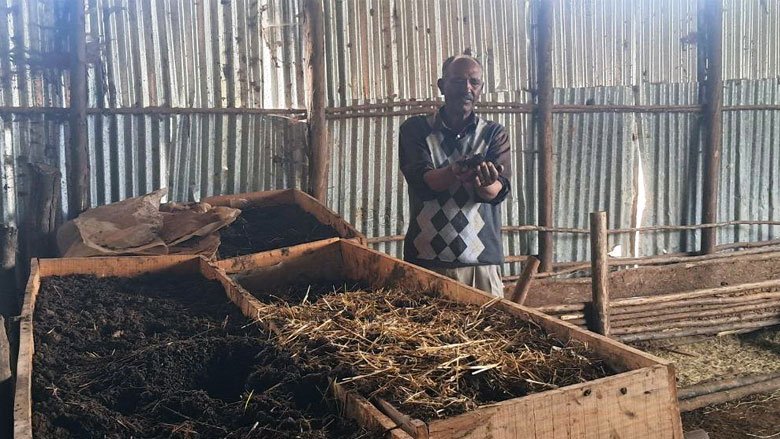
- Smallholder farmers have been taught to restore soil health by learning sustainable farming practices like vermicomposting and integrated pest management.
- The adoption of these techniques has led to increases in maize yields for individual farmers, improving their family’s food security and financial situation and contributing to broader community resilience.
- The Ethiopia Food Systems Resilience Program has so far reached over 1.2 million farmers with an even broader range of interventions.


You must be logged in to post a comment.