
Deadline: 28-Sep-2020 at 11:59:59 PM (Eastern Time – Washington D.C.) 
The objective of the assignment is to undertake the following: (i) support the province in preparation for the DBO/DBL through capacity building and perform collaborative activities with national government agencies through NEDA to ensure that WSS subprojects are in sync and within the implementation reforms that will be instituted under the currently approved PWSSMP, specifically the achievement on the KPIs and proper operationalization of the Unified Resource Allocation Framework (URAF); (ii) strengthen technical and economic analysis of the projects; (iii) assist in the market survey to ensure robust interests of the private sector; and (iv) support the preparation of an O&M plan .
 said “the COVID-19 pandemic has put years of global progress to end preventable child deaths in serious jeopardy,”
 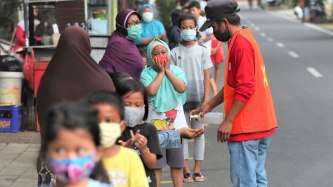 health and education over the past decade, especially in the poorest countries, a new World Bank Group analysis finds. Investments in human capital—the knowledge, skills, and health that people accumulate over their lives—are key to unlocking a child’s potential and to improving economic growth in every country.

 Social Development GP, has a new strategic direction that focuses on creating more inclusive societies, enhancing the empowerment of citizens, and fostering more resilient and peaceful communities.
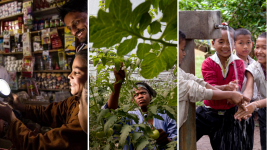 related investments, surpassing its climate-finance target for the third year in a row.


You must be logged in to post a comment.