This time last year, concepts such as “lockdowns,” “mask mandates” and “social distancing” were unknown to most of us. Today they are part of our everyday language as the COVID-19 pandemic continues to affect our lives.
The Year in Charts: From Education to GDP – what was the impact of the pandemic in 2020? Our 12 charts help you understand this extraordinary year.
Looking Ahead: In a special year end edition of The Development Podcast, World Bank Group President David Malpass and Interim MD and COO of the IFC Stephanie von Friedeburg look back on 2020 and examine the path to a resilient recovery in 2021.
Global Solidarity: As 2020 comes to a close, investing in people is more important than ever, as we see the devastating impact that COVID-19 is having on people and economies worldwide. Global solidarity and protecting human capital is critical for accelerating progress.
Good Governance: Hoping to help stimulate debate on how governments can help end poverty and boost shared prosperity, we’ve curated some of our best blog posts on #GoodGov from 2020. Check out this interactive timeline.
Priorities in South Asia: As we wrap up this unprecedented year, we reflect on how the region faced the devastating impacts of the COVID-19 pandemic, rose to the challenge to create better development outcomes for its people and prepared for a more resilient future.
Tweet on! COVID-19 has shaken the water sector. As we look back at the tweets that got the highest engagement this year, we continue to be inspired by our Twitter community and their commitment to build a water-secure world for all. Here are the top 10 tweets of 2020 from @WorldBankWater.
Resilient Food Systems: COVID-19 tested the strength of both production and distribution (resulting in both food shortages and waste), highlighted the importance of good nutrition, and increased food insecurity in all countries. The spread of desert locusts compounded impacts of the pandemic, conflict, and climate change. Here are 20 stories, blogs, events, and interviews that explored challenges–as well as opportunities–that affected food and agriculture this year.
Climate Change Fight: Even with COVID-19 lending, the World Bank Group surpassed its climate finance target for FY20, allocating nearly $21.4 billion to climate-related investments. Here is a snapshot of 10 efforts the Bank Group advanced in climate action in this unprecedented year.
Challenge and Opportunity: For the Multilateral Investment Guarantee Agency (MIGA), 2020 started like many others until the pandemic struck. Here is a month by month look at how MIGA pressed forward this year.


 12-Jan-2021 at 11:59:59 PM (Eastern Time – Washington D.C.)
 “protect everyone” cannot be more relevant amidst the global COVID-19 (coronavirus) pandemic.
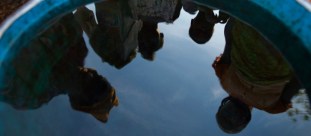 do not have sanitation service, while 3 billion lack basic handwashing facilities. The consequences of this lack of access to basic services are disproportionately felt by the poorest and most vulnerable people living in fragile, and conflict-affected situations (FCS) since many of the most fragile countries are also those with the poorest services.
 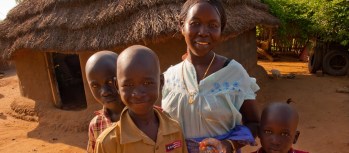 COVID-19 pandemic. But it’s not just them – the crisis is also impacting their families back in their home countries who depend on the money they send to make ends meet. Especially for households in countries affected by fragility and conflict (FCS) who are more likely to be extremely deprived, these remittances are economic lifelines. Over 50 million international migrants and refugees come from FCS.
  impacts the lives of those who experience it but also affects their families and communities.
  were unknown to most of us. Today they are part of our everyday language as the COVID-19 pandemic continues to impact all aspects of our lives.

You must be logged in to post a comment.