
Highlights

- In 2023, the number of new electricity connections outpaced population growth, increasing global access to electricity to 92%. While this means 19 million fewer people are without electricity compared to the previous year, 666 million people are still without power. In addition, this rate of growth is not fast enough to ensure universal access to electricity by 2030.
- 85% of the world’s population without electricity lives in Sub-Saharan Africa, up from 50% in 2010. In 2023, 35 million people in this region got electricity, but due to population growth, the number of people without electricity only decreased by 5 million, from 570 million in 2022 to 565 million in 2023.
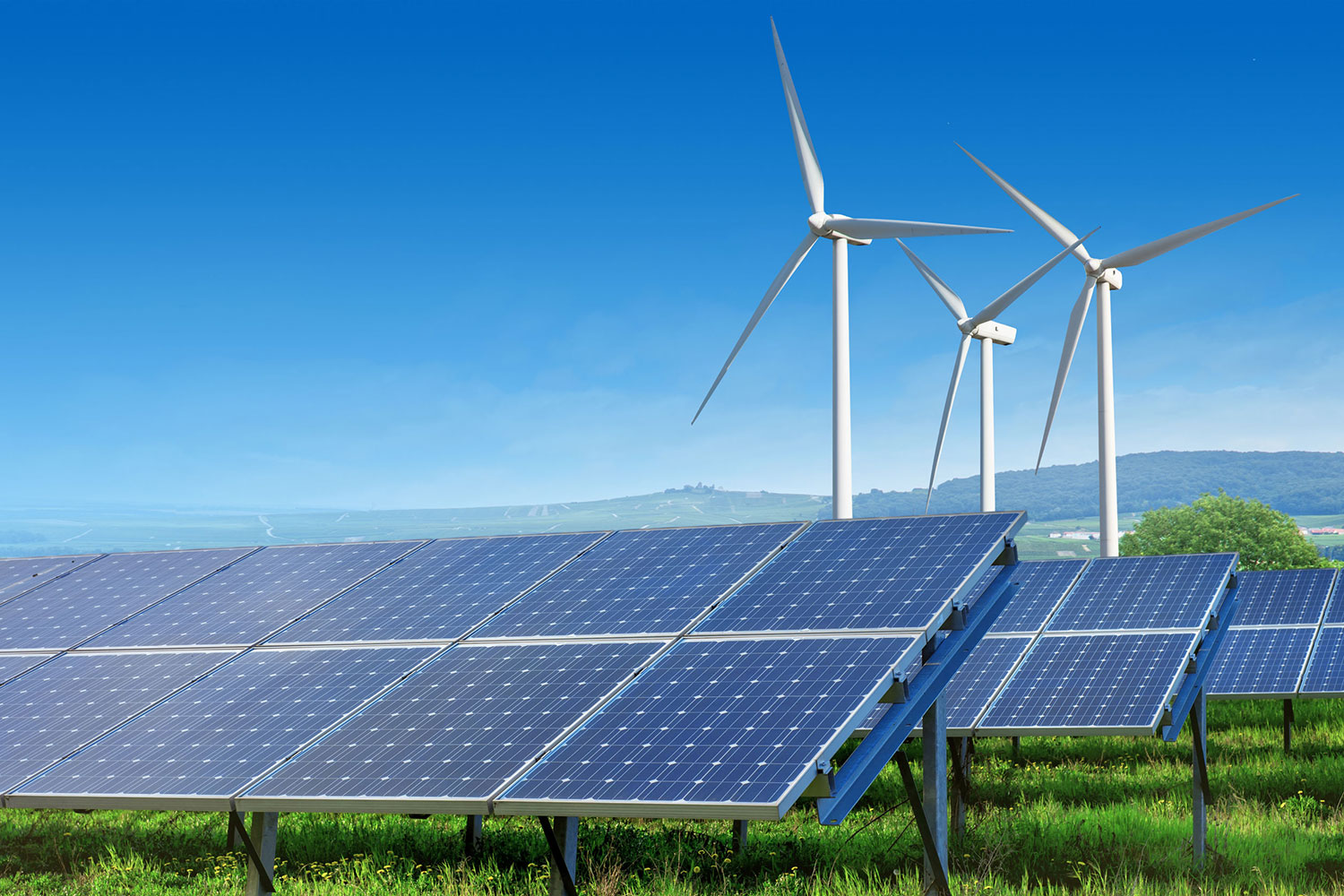
- Most people without electricity live in remote areas, places facing conflict or violence, and low-income regions, making it hard to expand the electricity grid. However, new technologies and business models for decentralized renewable energy (DRE) – such as solar home systems and solar mini grids- offer flexible solutions for these areas. These solutions are expected to help over 561 million people worldwide in 2023, and they provided 55% of new electricity connections in Sub-Saharan Africa from 2020 to 2022.

 Summit which will take place in Nairobi, Kenya, on March 14, 2019. The Summit will bring together global leaders, entrepreneurs, international organizations, and civil society, to help accelerate and focus attention on climate investments in line with the Paris Agreement objectives. The Summit will focus on promoting renewable energies, fostering resilience and adaptation and protecting biodiversity in Africa. Follow #OnePlanet for live updates and tune in live on March 14.
 Netherlands for the World Bank
You must be logged in to post a comment.